UN Global Compact Network Kenya Rallies African Stakeholders to Unlock Local Capital for Sustainability
UN Global Compact Network Kenya Rallies African Stakeholders to Unlock Local Capital for Sustainability
The United Nations estimates that achieving the Sustainable Development Goals (SDGs) by 2030 will require between $3 trillion and $5 trillion annually. In Africa alone, the financing gap is an additional $194 billion each year – about 7% of the continent’s GDP.
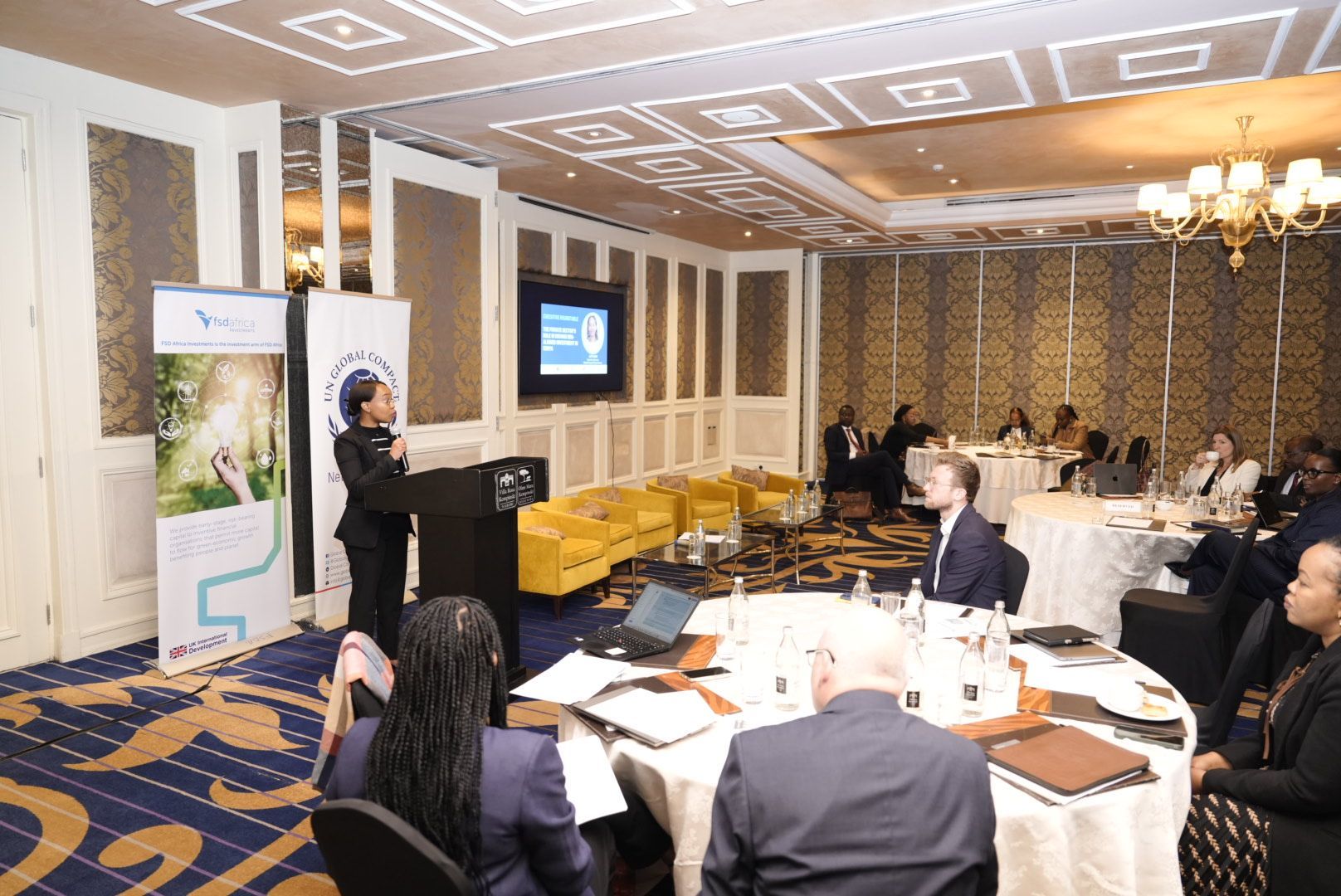
Against this backdrop, the Global Compact Network Kenya (GCNK), in partnership with the Principles for Responsible Investment (PRI), FSD Africa Investments (FSDAI) and the East Africa Private Equity & Venture Capital Association (EAVCA), convened relevant stakeholders for a roundtable to foster high-level, impactful conversations around pressing themes, such as accelerating sustainable finance for emerging markets and developing economies (EMDEs) through local capital mobilisation and integrated sustainability-related factors.
During the high-level roundtable, which took place on July 22nd, 2025, at the Villa Rosa Kempinski in Nairobi, Kenya, attendees resolved that the urgency to accelerate sustainable finance has never been greater, especially against the background of global and regional challenges such as the escalating impacts of climate change and biodiversity loss as well as growing inequality and shrinking international aid.
Speaking at the event, the Executive Director of Global Compact Network Kenya (GCNK), Judy Njino, emphasized the role that the private sector and investment community have to play and underscored the importance of unlocking local capital to drive impact at scale.
"Only 35 per cent of SDG targets are on track or show moderate progress. Nearly half are moving too slowly or making only marginal progress, while 18 per cent have regressed. The gap between our sustainable development aspirations and financing to meet them has continued to widen. With official development assistance declining and fiscal space constrained, the private sector & investor community have an opportunity to step up as an engine for inclusive & sustainable economic growth. We must ensure that businesses, especially local ones, are ready, aligned, and equipped to absorb this capital,"
she said.
Meanwhile, David Atkin, Chief Executive Officer of the Principles for Responsible Investment (PRI), emphasized that the PRI believes an economically efficient and sustainable global financial system is essential for long-term value creation. As such, a system rewards responsible, long-term investment while delivering lasting benefits to society and the environment.
Critical takeaways from the roundtable include; a broad agreement on the need to foster collaboration between businesses, investors, and development actors; the need to shift toward practical, real-world financial solutions that address issues on the ground; and acknowledgement of the growing demand for financial instruments such as green bonds and impact investments that offer competitive returns while directly supporting SDG-related projects.
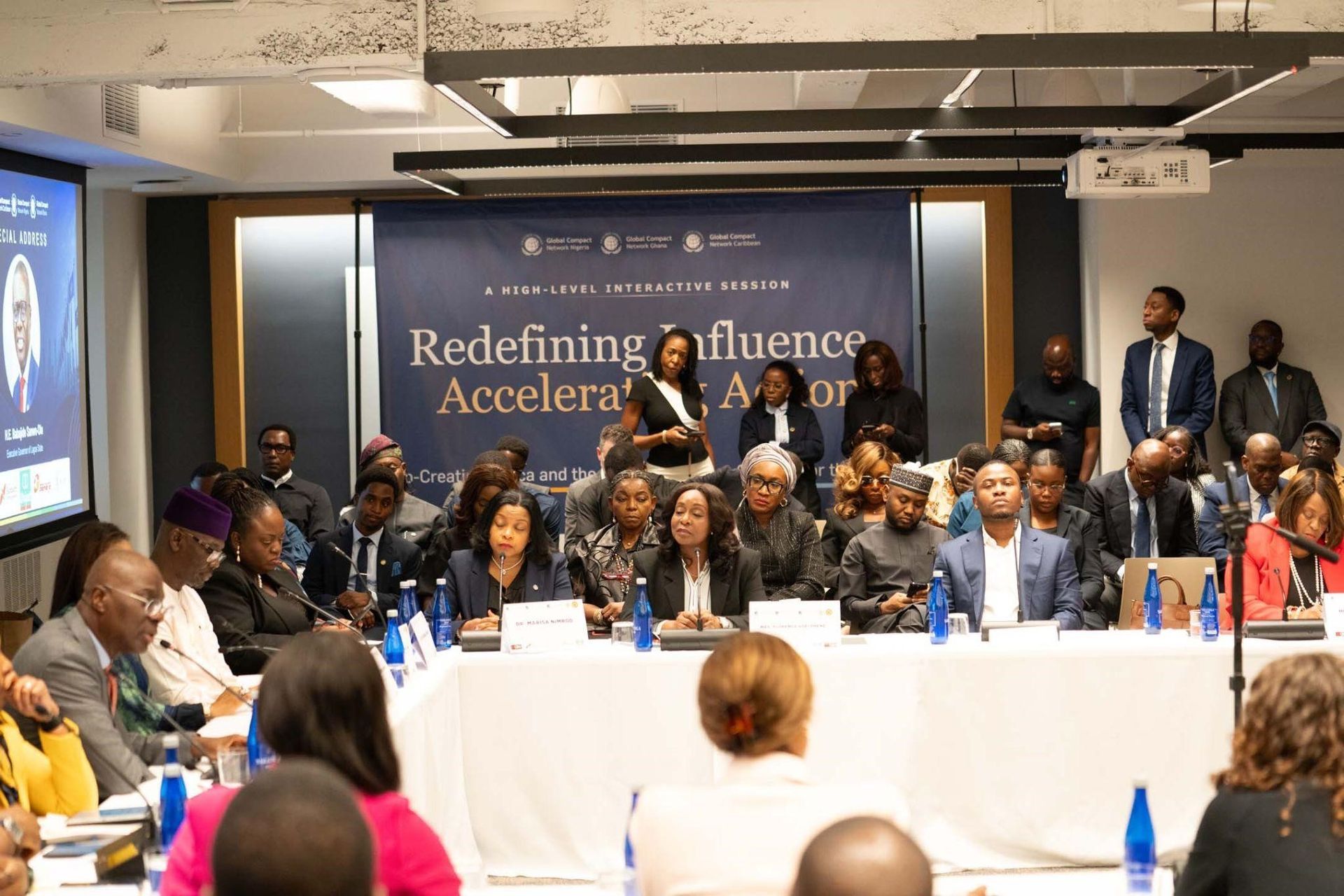
Climate Finance, Trade and Capital: Africa-Caribbean Leaders Set a New Course on the Sidelines of the UN General Assembly
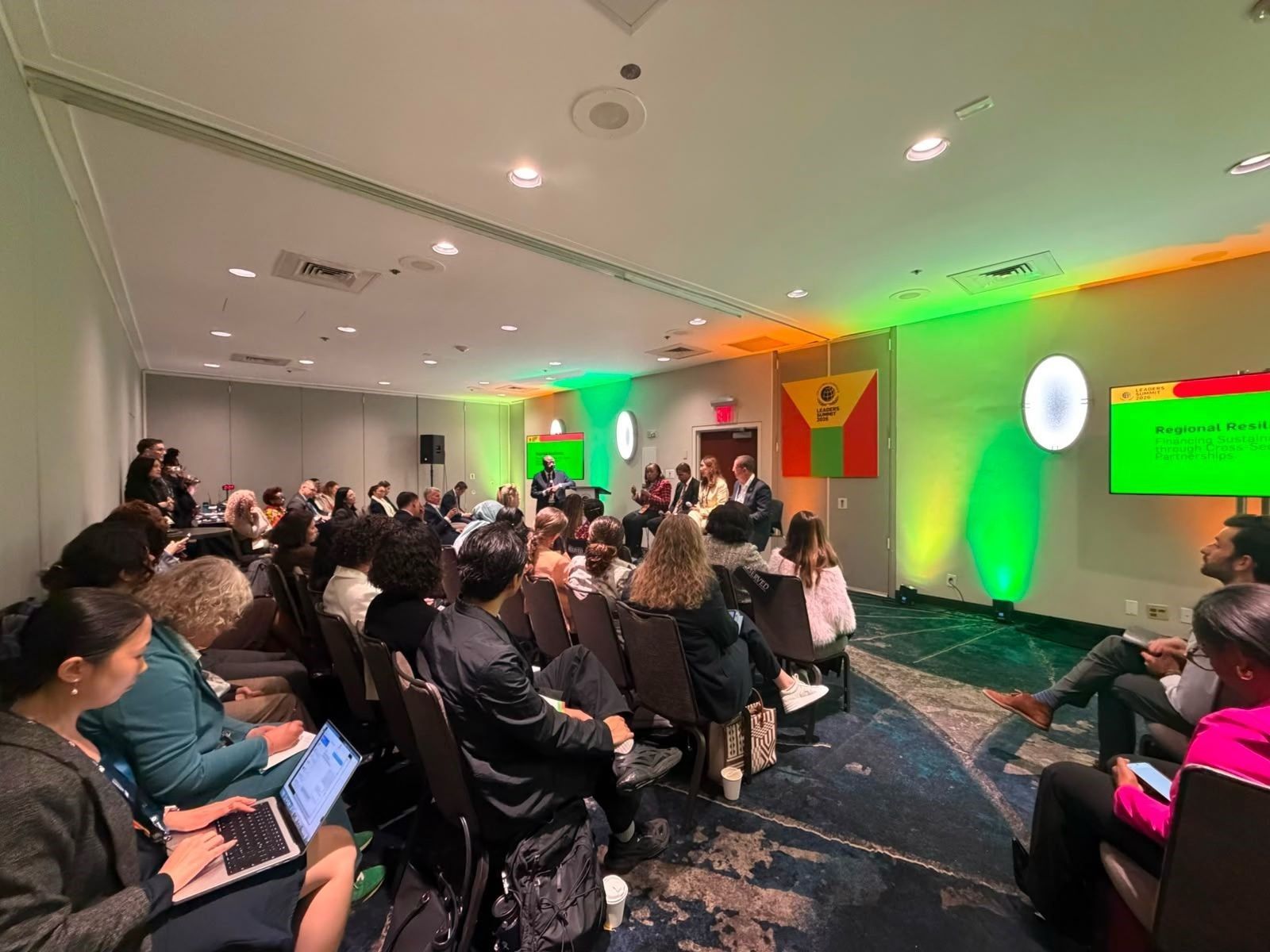
UN Global Compact Calls for Cross-Sector Partnerships to Strengthen Regional Resilience at 2026 Leaders’ Summit
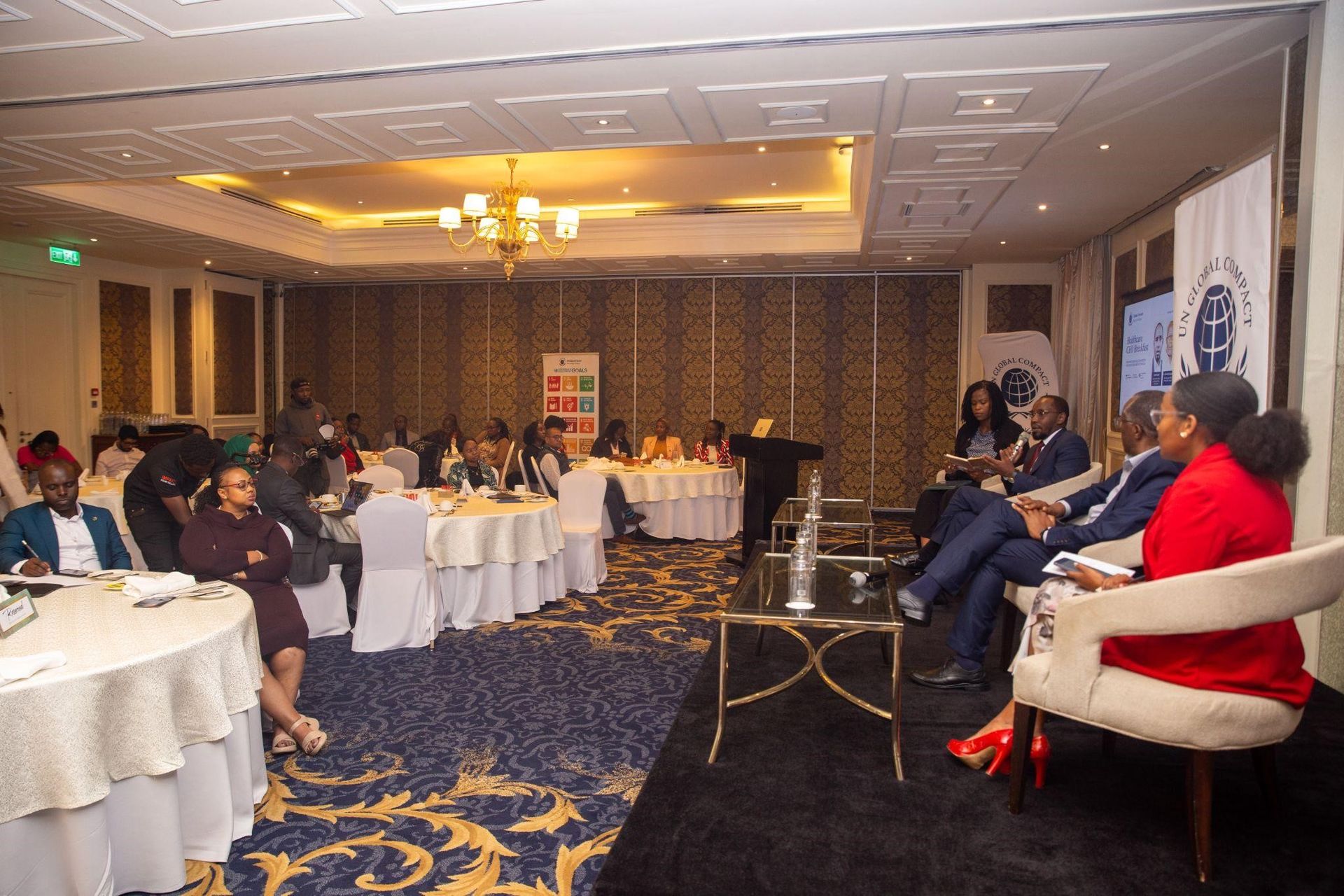
Responsible Leadership and Sustainability in Kenya’s Healthcare Sector
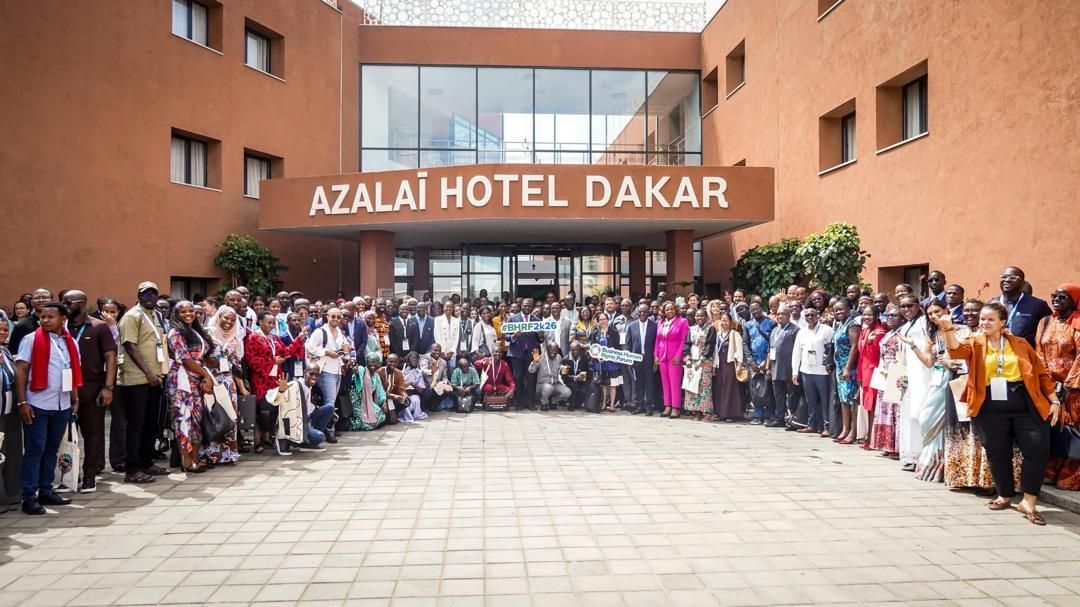
Africa Business and Human Rights Forum Concludes in Dakar with Call for Stronger Action on Human Rights and the Environment
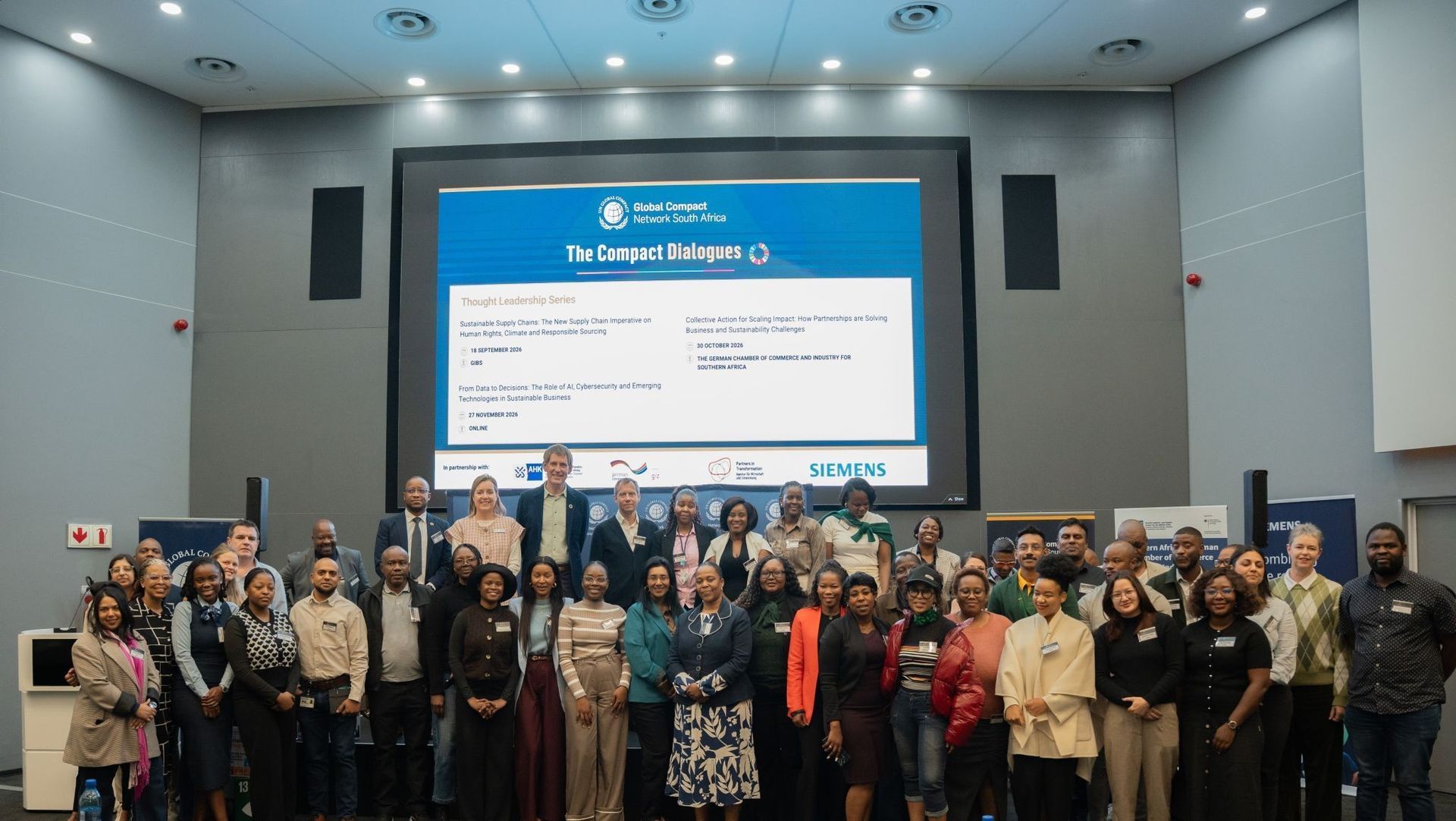
UN Global Compact Network South Africa Concludes 3rd Dialogue at 2026 Thought Leadership Series
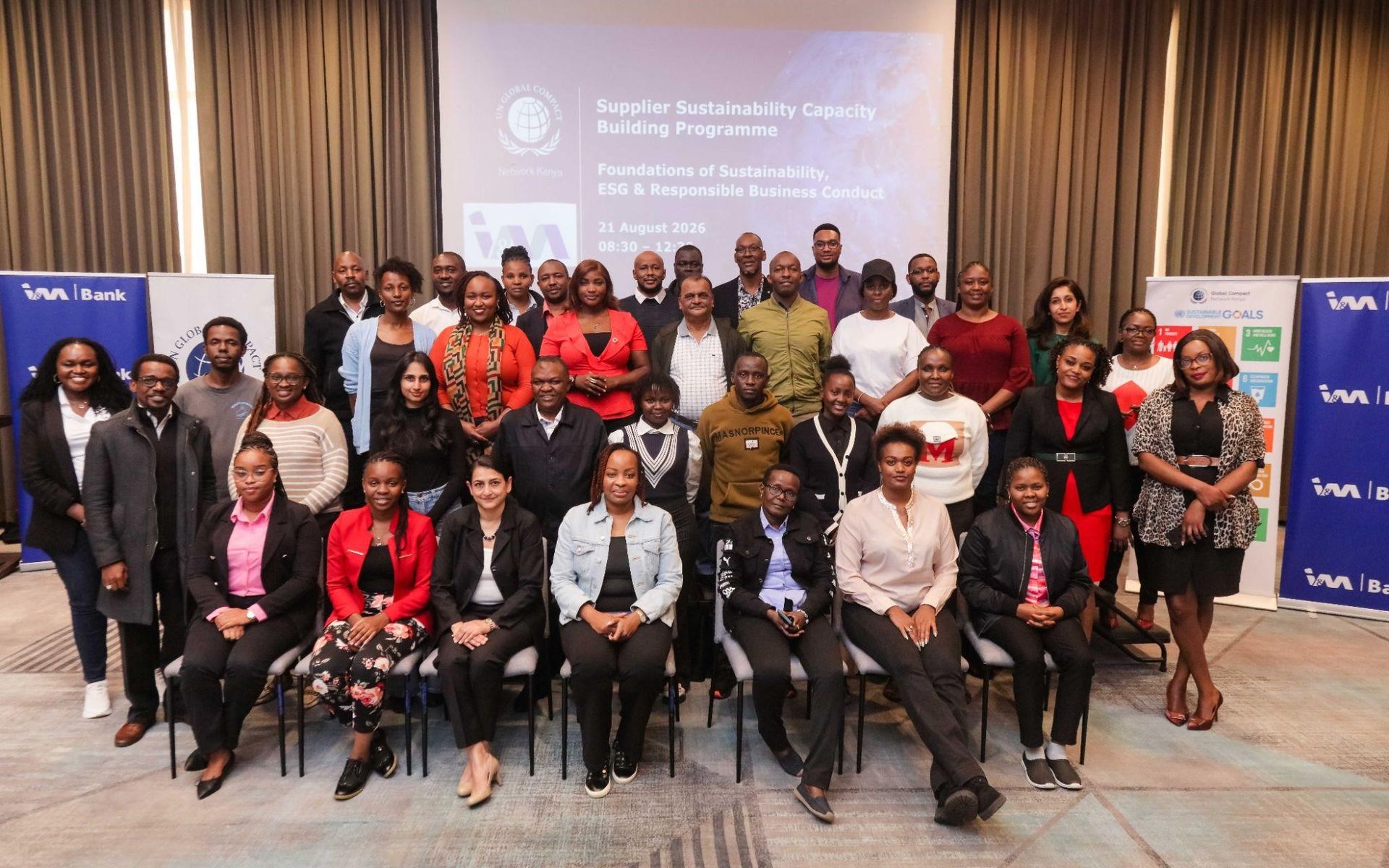
Global Compact Network Kenya and I&M Bank Launch Supplier Sustainability Building Programme
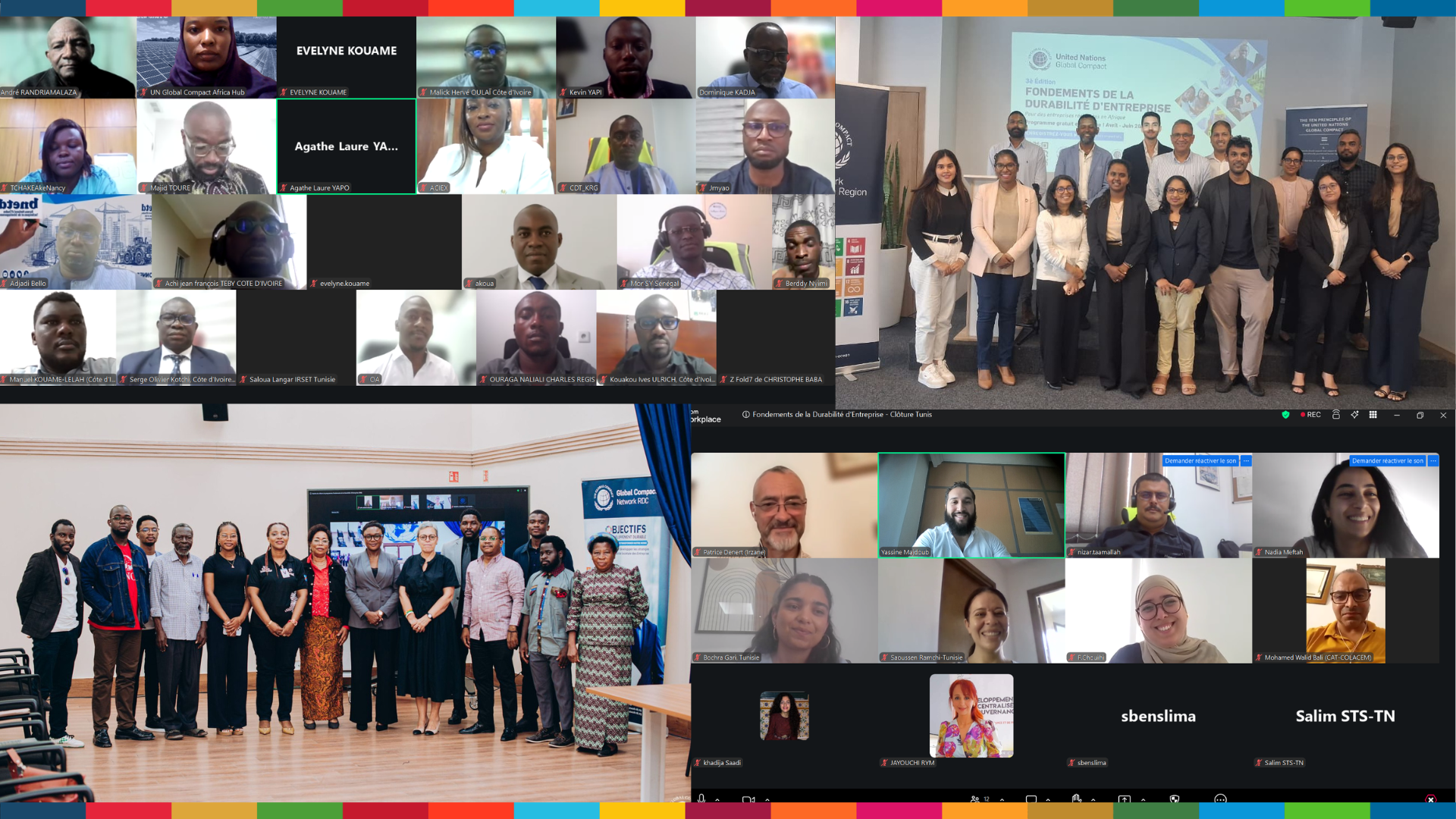
Le Pacte mondial des Nations Unies clôture la troisième édition du programme « Fondements de la Durabilité d'Entreprise »
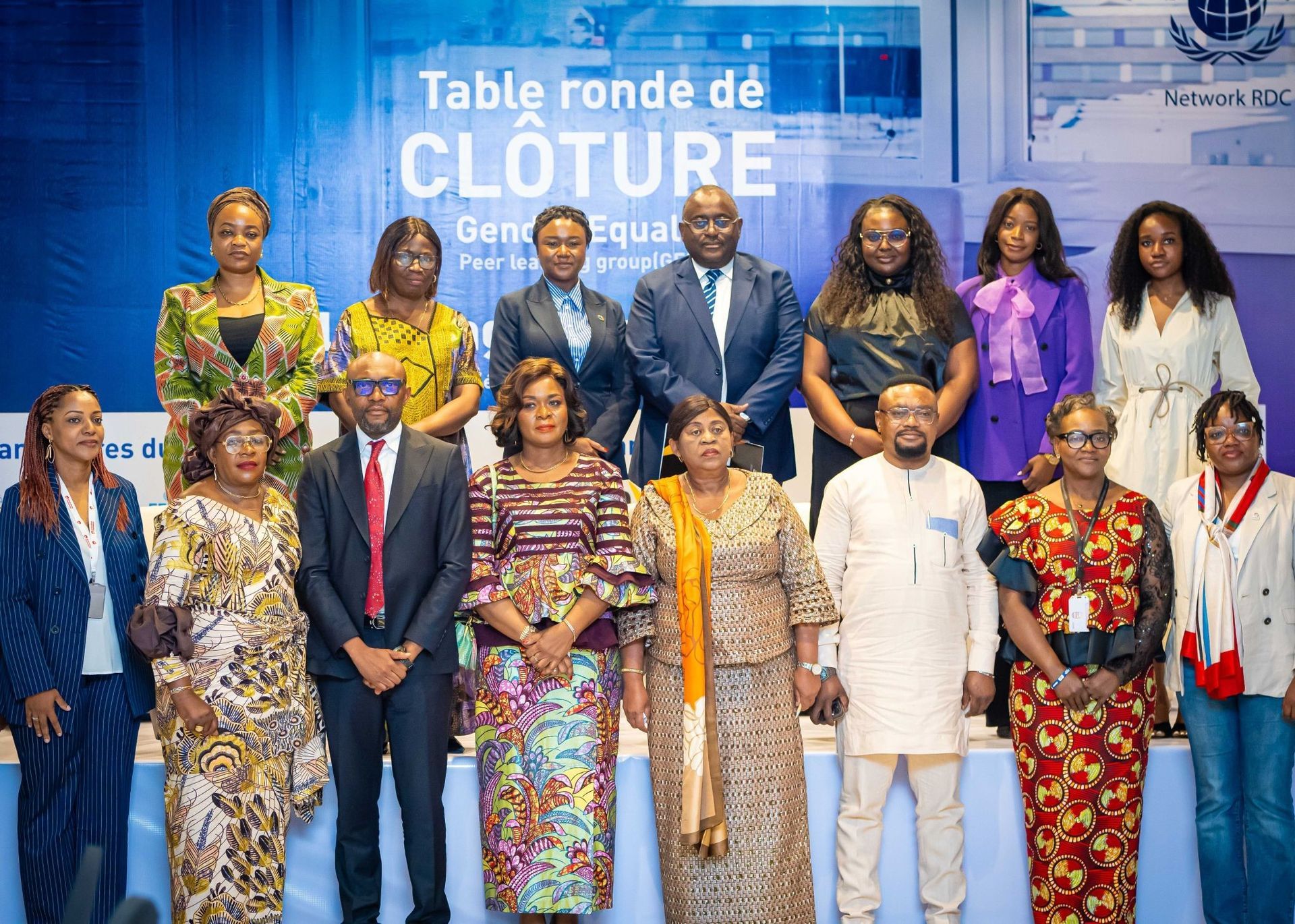
UN Global Compact Network DRC Encourages Business Executives to Promote Women's Leadership
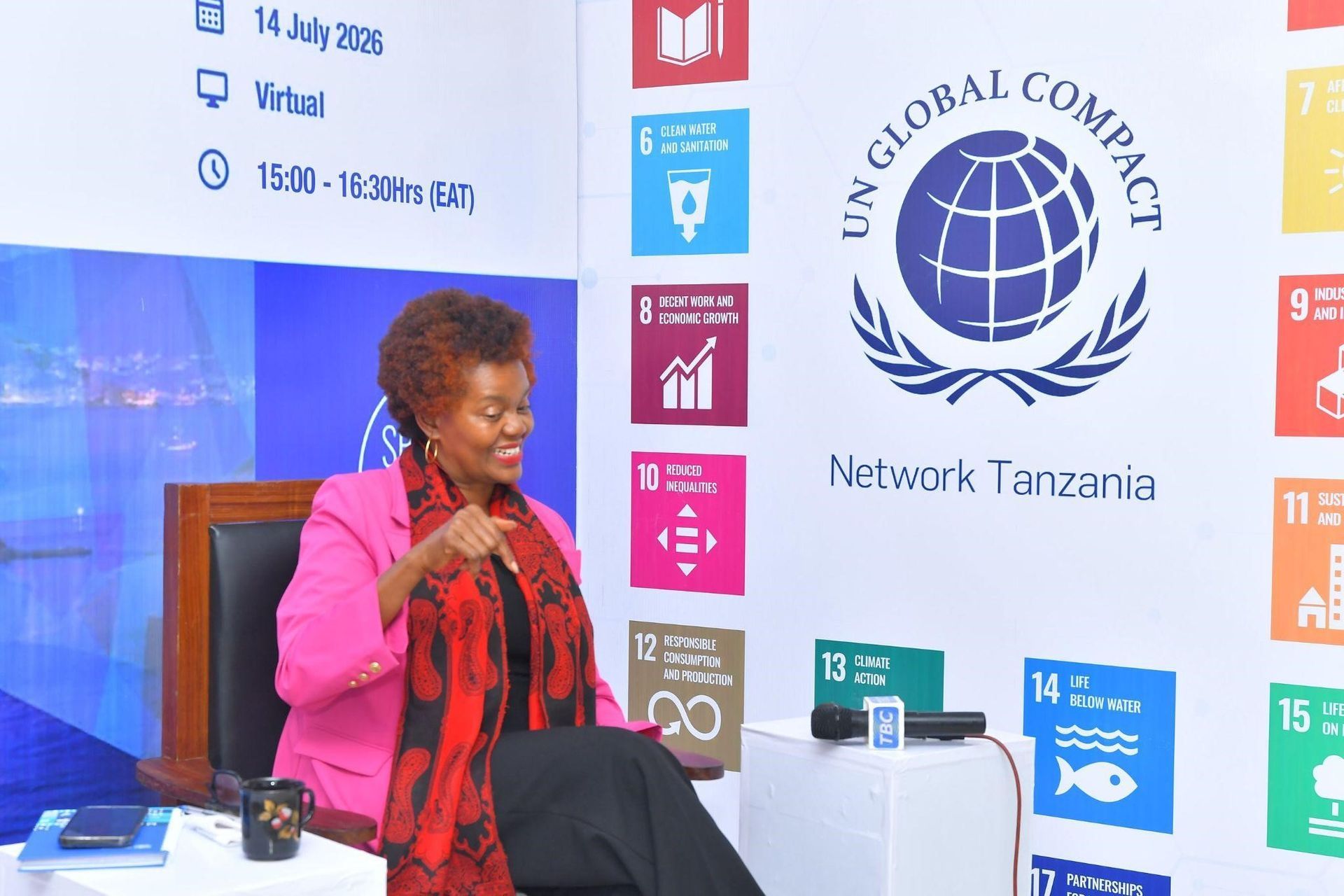
Tanzania Anchors Corporate SDG Impact Through The Voluntary National Review
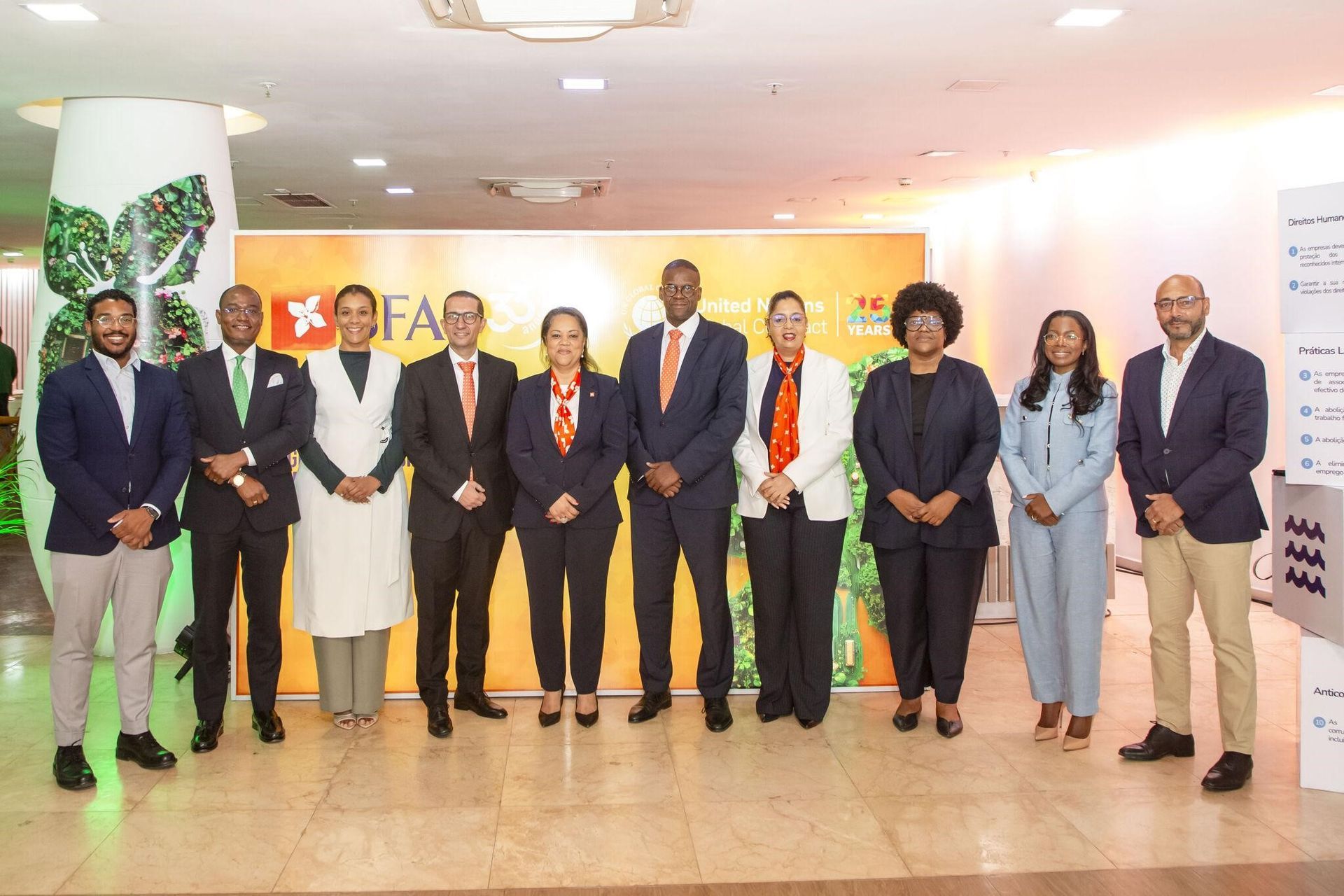
Angola’s Corporate Leaders Mobilise for Climate Action