UN Global Compact Network South Africa Launches SME Readiness Tool at B20 Event in Johannesburg
UN Global Compact Network South Africa Launches SME Readiness Tool at B20 Event in Johannesburg
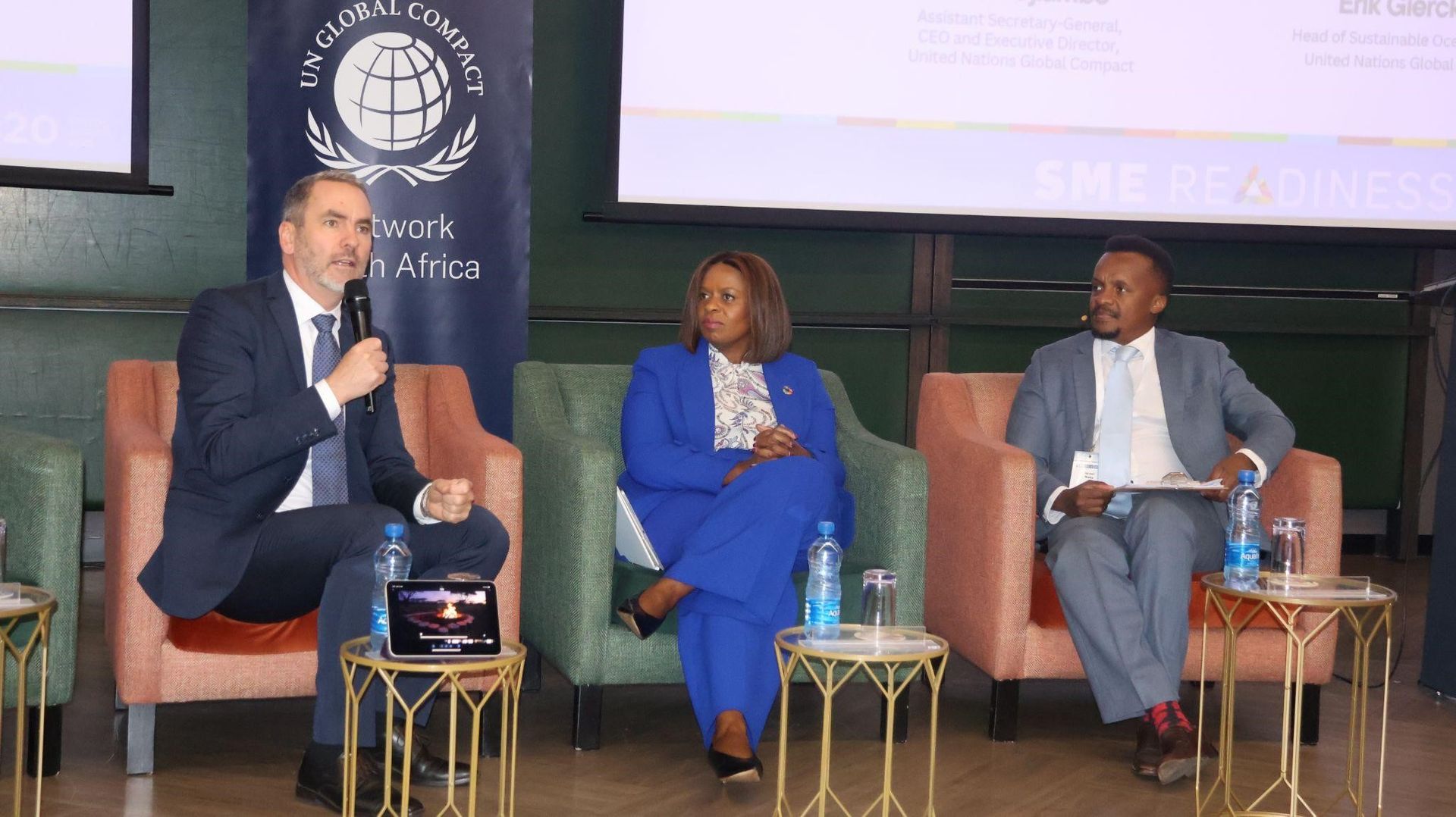
The first-ever G20 meeting hosted on the African continent has delivered a landmark contribution to global sustainable development: the launch of a digital SME Readiness Assessment Tool by the Global Compact Network South Africa (GCNSA). Announced at a Business 20 (B20) side event in Johannesburg on 17 November 2025, the tool is designed to help small and medium-sized enterprises strengthen their sustainability capacity, improve reporting practices, and boost their readiness for future markets and financing opportunities.
Developed by GCNSA, the SME Readiness Assessment Tool is a user-friendly digital platform that evaluates a company’s sustainability maturity across eight key indicators aligned with internationally recognised frameworks and the Sustainable Development Goals (SDGs). These indicators provide a practical entry point for SMEs beginning their sustainability journey and a benchmarking resource for more advanced companies.
To advance this agenda, the UN Global Compact—together with GCNSA, the Global Compact’s Africa Business Leaders Coalition (ABLC), and supporting partners—hosted a B20 side event that convened business leaders, policymakers, financiers, and SME representatives. As the official G20 dialogue forum for the global business community, the B20 provided a strategic platform to explore how improved sustainability readiness can unlock trade, investment, and financing opportunities for SMEs worldwide.
SMEs make up the bulk of the global private sector and play a vital role in economic growth, yet many still lack the capabilities and knowledge required to strengthen their sustainability performance. Their meaningful participation in value chains helps larger enterprises diversify suppliers, expand trade opportunities, and mitigate risk. The SME Readiness Tool aims to close this gap by offering practical support across sustainability capacity-building, reporting, and market and finance preparedness.
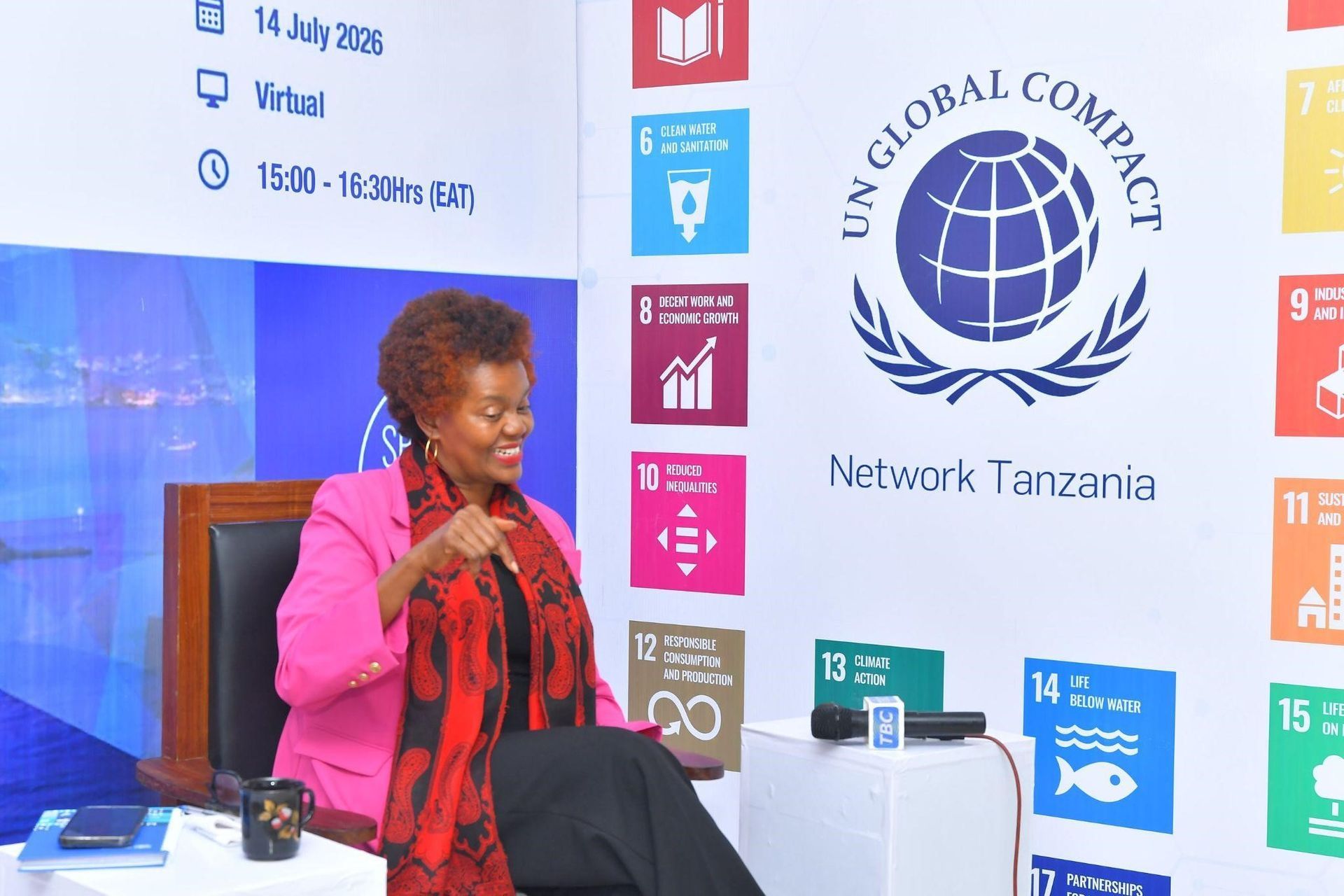
Dr. Achieng Ojwang, Executive Director of the UN Global Compact Network South Africa, stated at the event that the critical nature of SMEs for African business necessitated the launch of the readiness tool on the continent.
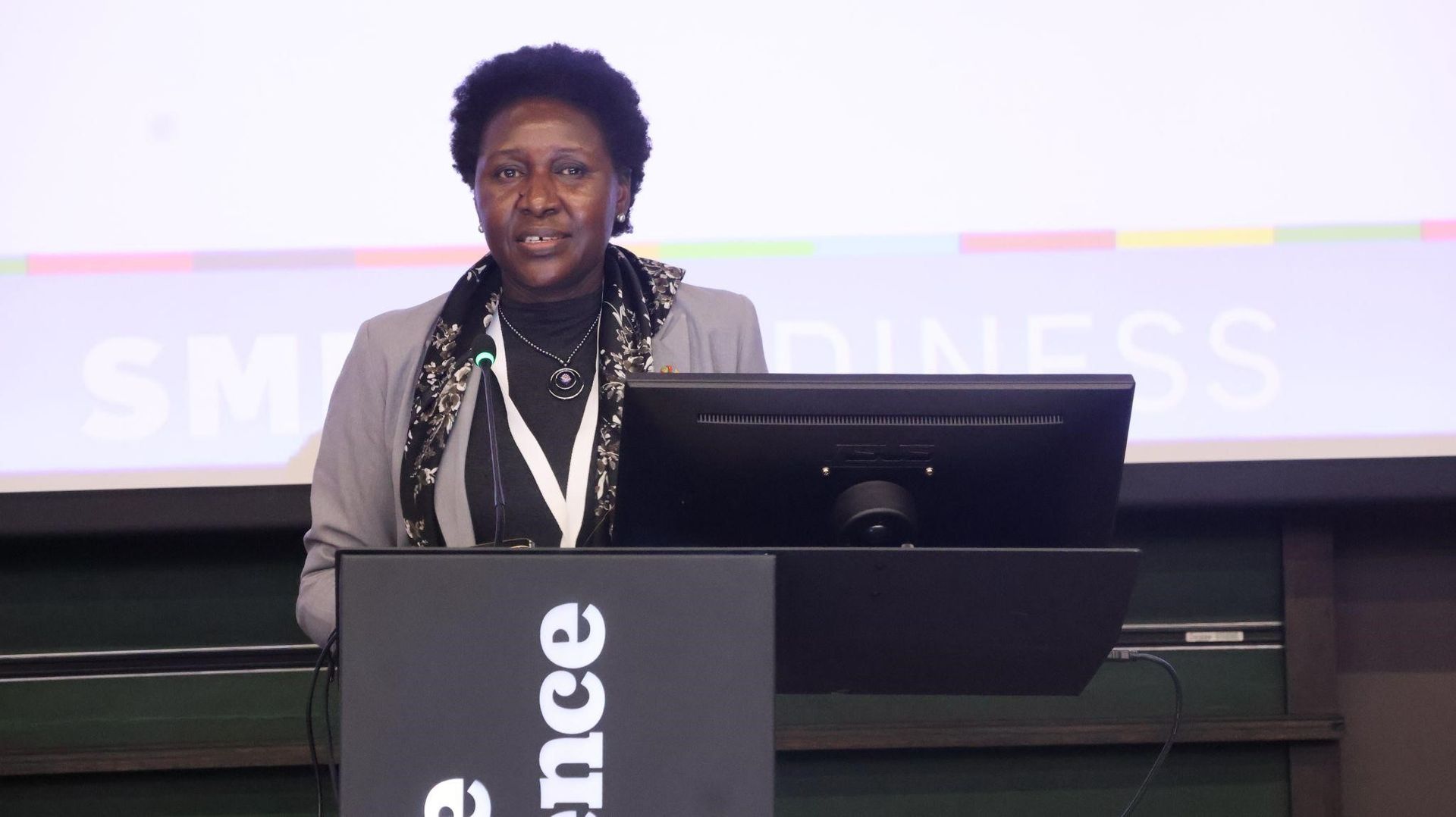
“SMEs must be ready for finance and investment, especially as we open up the continent a lot more for trade through the continental free trade area; sustainable SMEs will be the ones taking advantage of those opportunities opening up on the continent. We took the tool and localized it to suit the South African SME landscape; it’s a sustainability statistics tool and now all of you SMEs can map where you are, whether it’s in terms of the environmental portfolio, governance portfolio or social portfolio.”
The tool uses a simple yes/no questionnaire—adaptable across sectors—to generate tailored insights that benchmark an SME’s sustainability maturity, highlight strengths, and identify performance gaps. These insights also help larger companies identify aligned and credible suppliers at a time when value chain transparency and verified sustainability performance are becoming non-negotiable.
Also speaking at the event, Ms Sanda Ojiambo, CEO & Executive Director of the UN Global Compact, emphasized that the launch of the tool was timely because of the importance of SMEs and the opportunity for upscaling African business globally.
“I think we need to take a dual track; we work with multinationals to build resilience in their supply chains but also with SMEs as standalone entities in building that resilience. I know that there is a tool we are launching, and I am excited to see the collaboration between our networks in sharing tools and services. SMEs are such a fundamental part of all economies… I think the focus on building their resilience and addressing principles is absolutely important.”
The assessment tool also equips SMEs to strengthen reporting practices and engage more effectively with corporate buyers and financiers. Upon completion, SMEs receive a comprehensive insights report that outlines their sustainability maturity, provides peer comparisons, and maps their progress against relevant SDGs.
Launching the tool during the first G20 meeting held on African soil positions Africa’s enterprise ecosystem as a proving ground for scalable, sustainability-aligned solutions. The initiative aligns closely with G20 and B20 priorities centred on inclusive, sustainable global growth—demonstrating Africa’s growing leadership in shaping the future of responsible business.