UN Global Compact Hosts Roundtable on Innovative Finance for Fragile Economies at FFD4 in Spain
UN Global Compact Hosts Roundtable on Innovative Finance for Fragile Economies at FFD4 in Spain
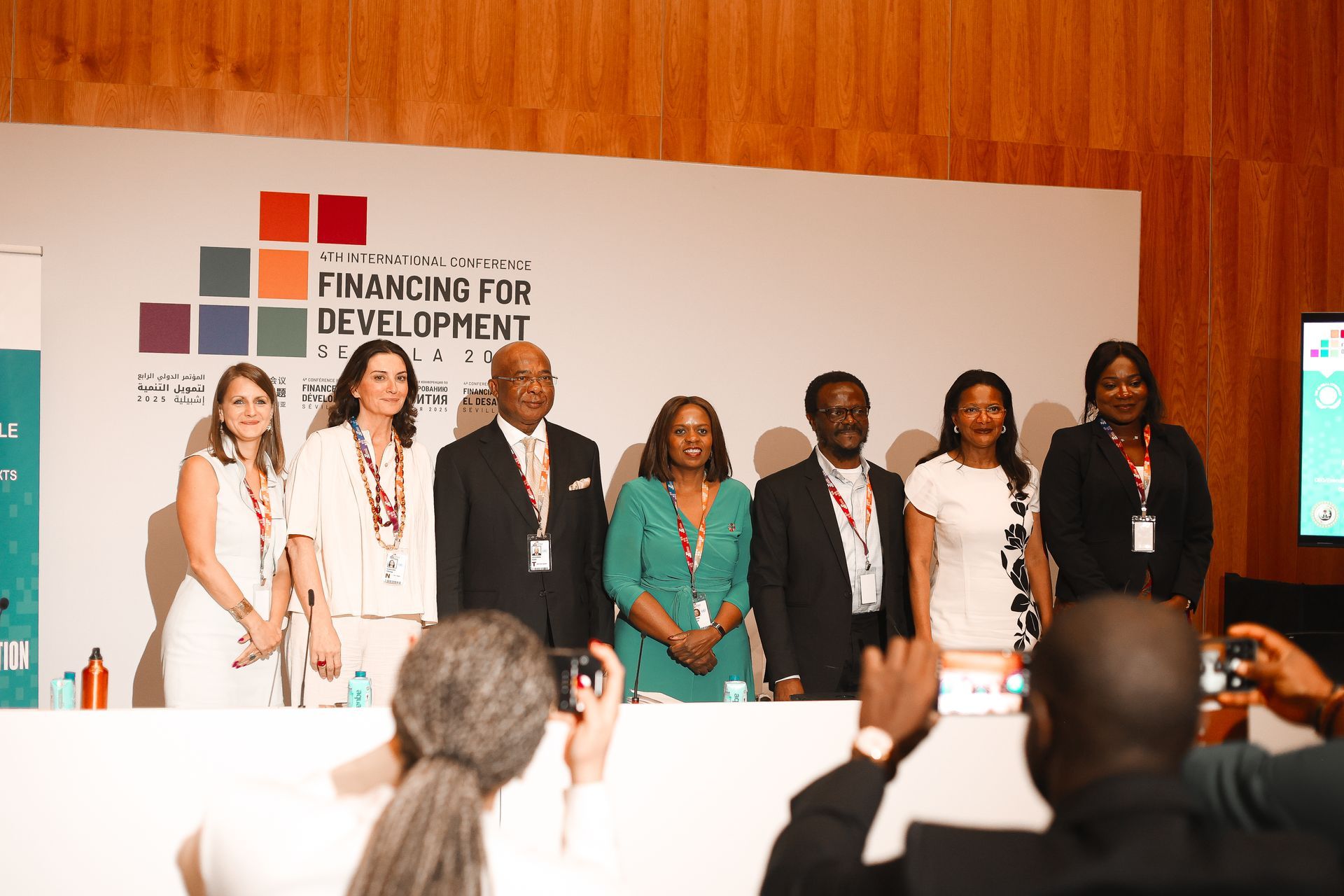
In rethinking financing for fragile economies, particularly in Africa and other emerging markets, the United Nations Global Compact hosted a roundtable titled ‘Reframing Risks and Rewards in Fragile Contexts”, at the Fourth International Conference on Financing for Development (FFD4) in Seville, Spain.
The roundtable was held on 2 July, 2025 and brought together stakeholders to seek bold innovative pathways that help address the pressing realities faced by these fragile economies which are often failed by traditional financing models.
Chaired by Naomi Nwokolo, Executive Director at UN Global Compact Network Nigeria, the roundtable featured voices for whom fragility is not a theory but a lived reality and professional challenge. Opening remarks were delivered by Sanda Ojiambo, Assistant Secretary-General and CEO/Executive Director of the UN Global Compact.
The High-level Executive Roundtable featured a line-up of visionary panellists, including Senator Hope Uzodimma, CON, Executive Governor of Imo State; Patrick Akhidenor, Chief Risk Officer, First Bank of Nigeria Ltd., representing Olusegun Alebiosu MD/CEO FirstBank Group; Teresa Guardans, Co-Founder, Oryx Impact; Krisztina Tora, Managing Director, GSG Impact; and Hassatou Diop N'Sele N’Sele, Vice President/CFO of the African Development Bank, and other impactful speakers joined from the Green Climate Fund, Small Foundation, and Sida.
The platform opened opportunities for collaborative action for capital mobilization to support the goal of rethinking finance to serve the most fragile and vulnerable communities. This collaboration from the various stakeholders is critical; governments, the private sector, finance institutions, nonprofits and the local communities must work together if a new model is to be successful and sustainable.
Key takeaways from the discussion include:
- The current financial system isn’t made for the world we’re in – Most existing financing instruments are engineered to minimize risk, rather than to engage with the nuanced and layered complexities of today’s world. Yet fragility, marked by economic shocks, climate disruptions, and geopolitical volatility, is no longer an exception; it is fast becoming the prevailing context across many emerging economies. If the global financial architecture fails to evolve in response to this new reality, it risks reinforcing exclusion.
- Resilience is a return, not an expense - A recurring theme throughout the dialogue was a bold and necessary challenge to the prevailing perception that resilience-focused investments—whether in climate adaptation, local governance, or peacebuilding—are "too risky," "too slow," or unlikely to yield measurable returns. This outdated view continues to limit the flow of capital to the very places where it is most urgently needed.
- Africa is not the problem—it’s the solution - There was a collective rejection of the outdated narrative that paints Africa as a charity case. The truth is, Africa is a goldmine of innovation, talent, and leadership. But ideas alone aren’t enough. What is needed is trust, access, and catalytic capital.
- Youth must move from beneficiaries to financiers of the future - Africa is home to the youngest population in the world, yet youth continue to be overlooked in formal financial systems. Funding models must evolve to reduce barriers for youth-led solutions—not just through grants, but through ownership, equity, and co-creation.
- Ecosystems are everything - Resilience is not built by capital alone. It takes local infrastructure, technical expertise, smart policy, and a culture of trust. This means that systems change is essential. We must stop looking for silver-bullet interventions and start investing in the enabling environments that allow communities to build, adapt, and thrive.
In fragile economies across Africa and the Global South, the stakes are incredibly high, and the system is not built for them. The traditional models of finance that have long governed how and where money moves are proving inadequate in the face of today’s most pressing realities: climate breakdown, political volatility, growing youth unemployment, and widening inequality. Fragility is no longer a footnote in development—it’s a defining context for the next era of global resilience.
The Fourth International Conference on Financing for Development (FFD4) held from 30 June to 3 July, 2025, in Seville, Spain. It follows the 2002 Monterrey Consensus, the 2008 Doha Declaration and the 2015 Addis Ababa Action Agenda.
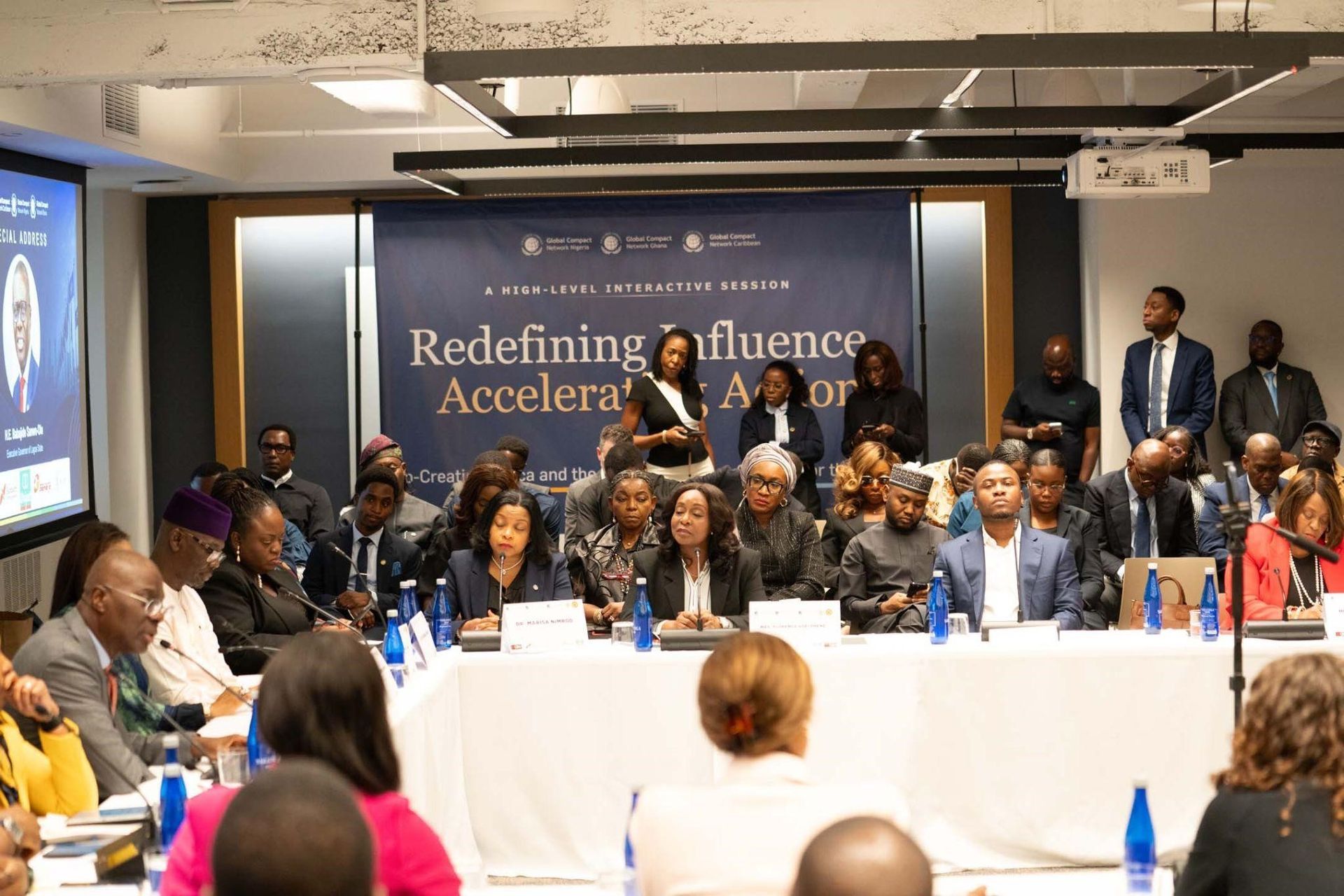
Climate Finance, Trade and Capital: Africa-Caribbean Leaders Set a New Course on the Sidelines of the UN General Assembly
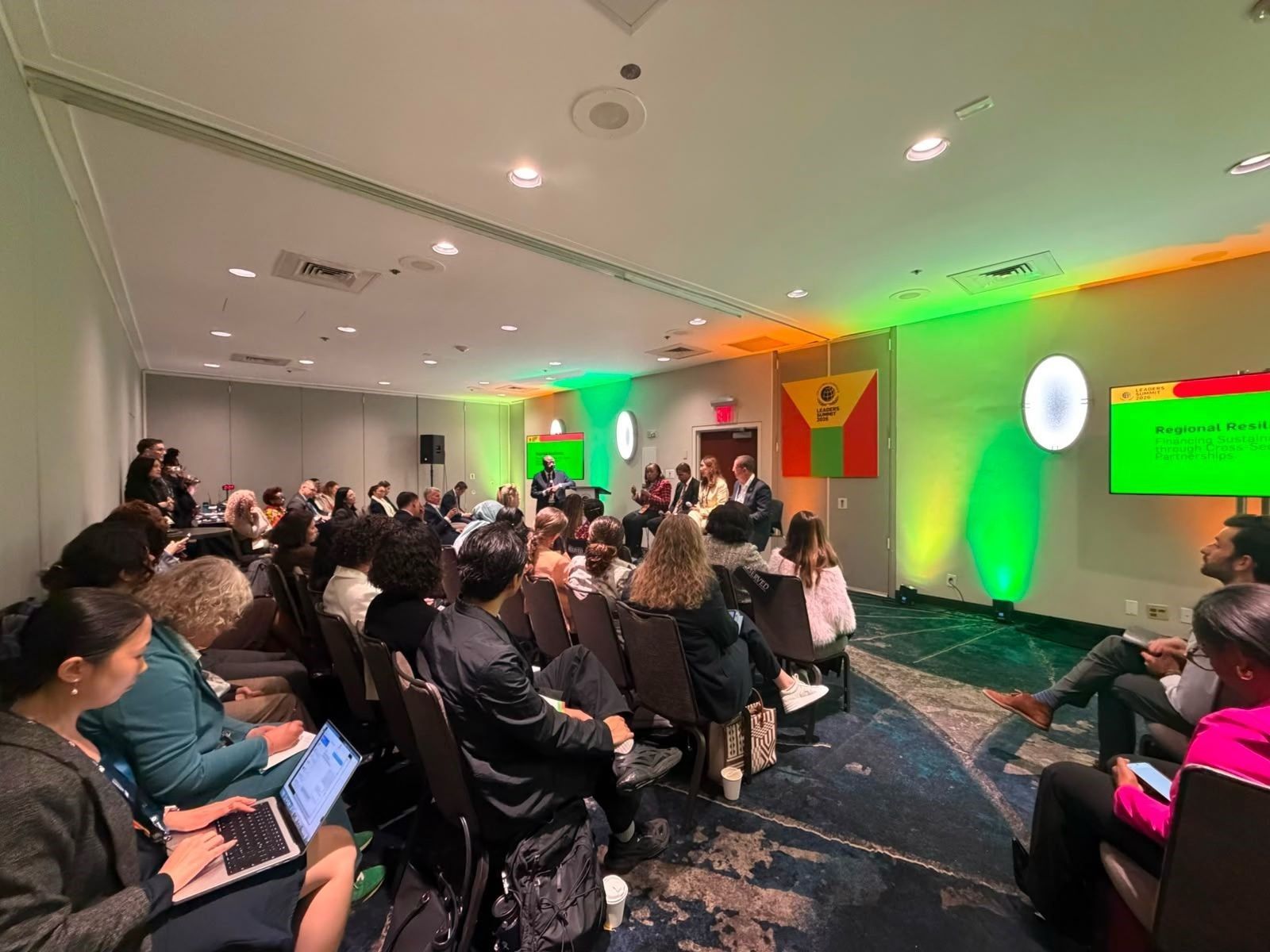
UN Global Compact Calls for Cross-Sector Partnerships to Strengthen Regional Resilience at 2026 Leaders’ Summit
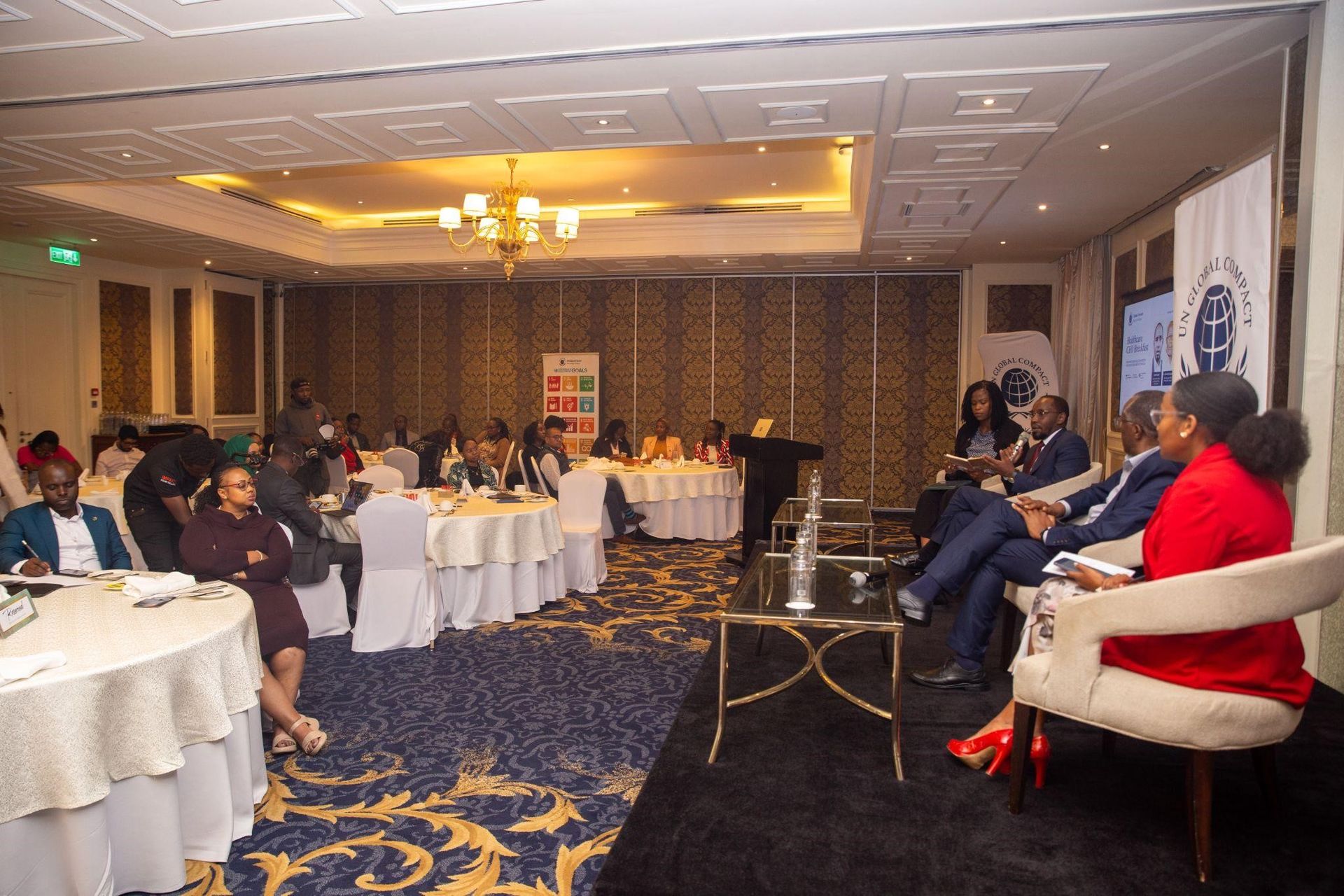
Responsible Leadership and Sustainability in Kenya’s Healthcare Sector
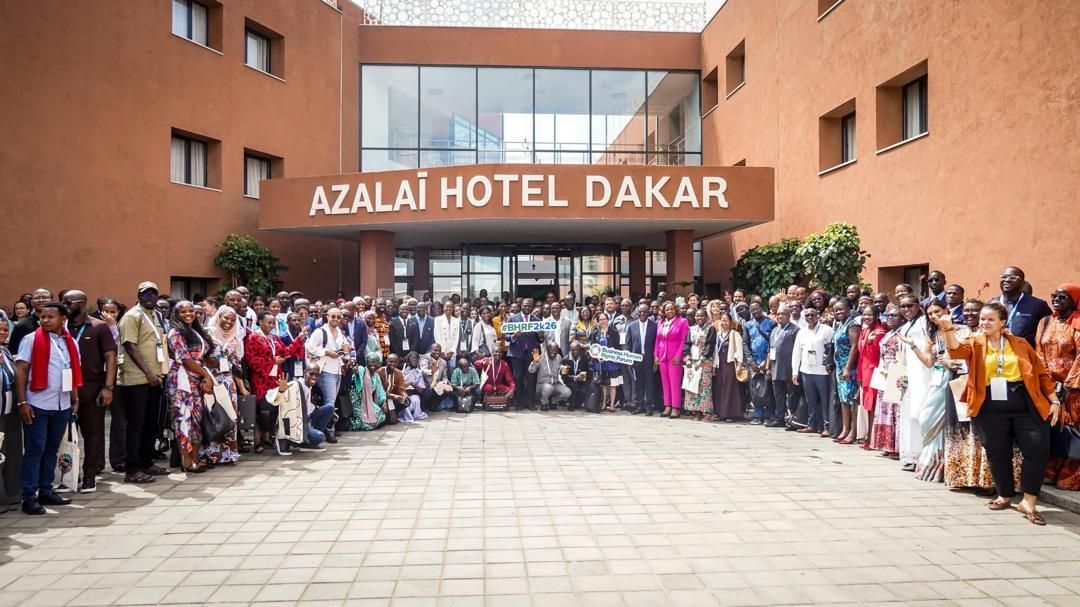
Africa Business and Human Rights Forum Concludes in Dakar with Call for Stronger Action on Human Rights and the Environment
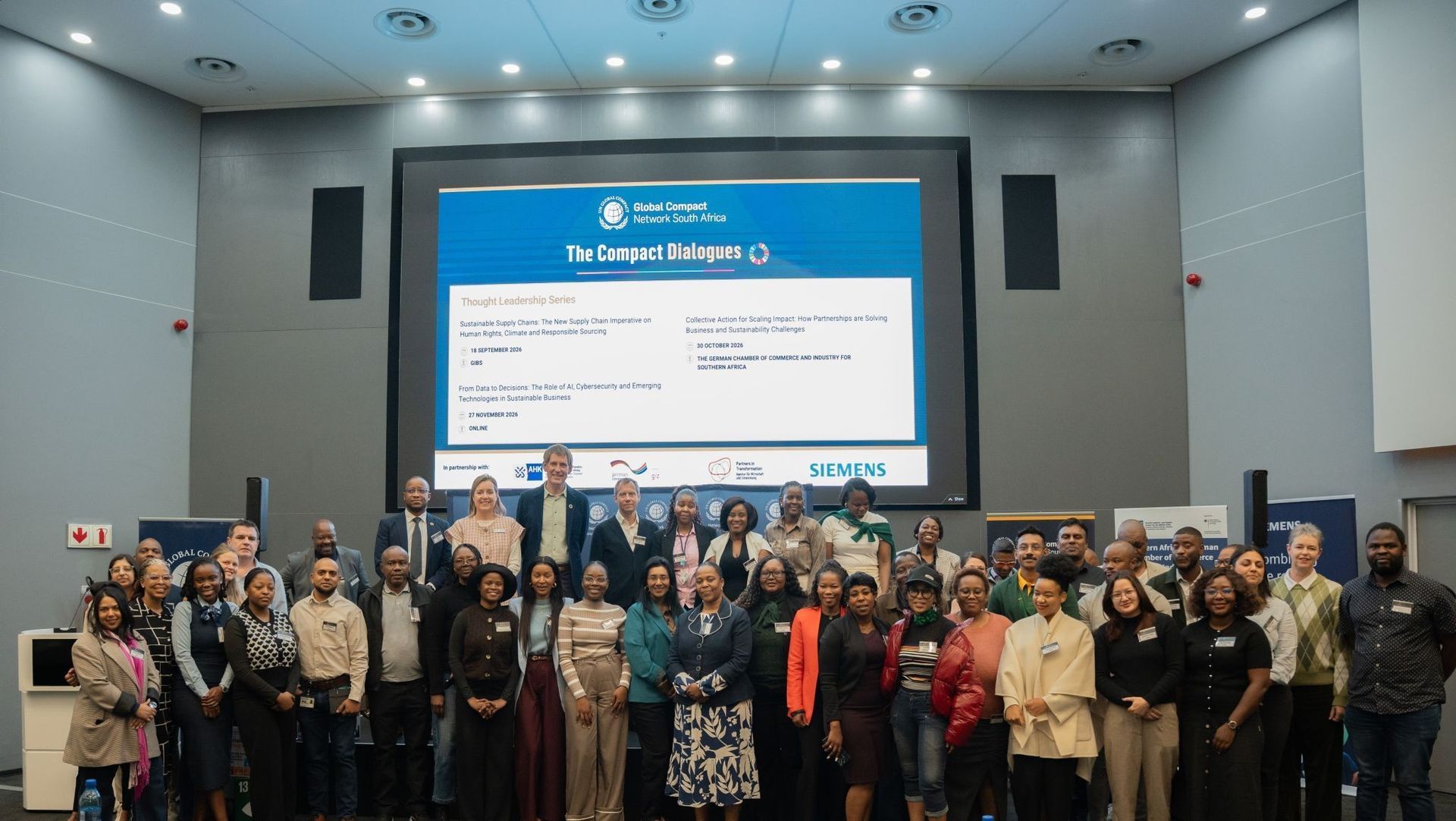
UN Global Compact Network South Africa Concludes 3rd Dialogue at 2026 Thought Leadership Series
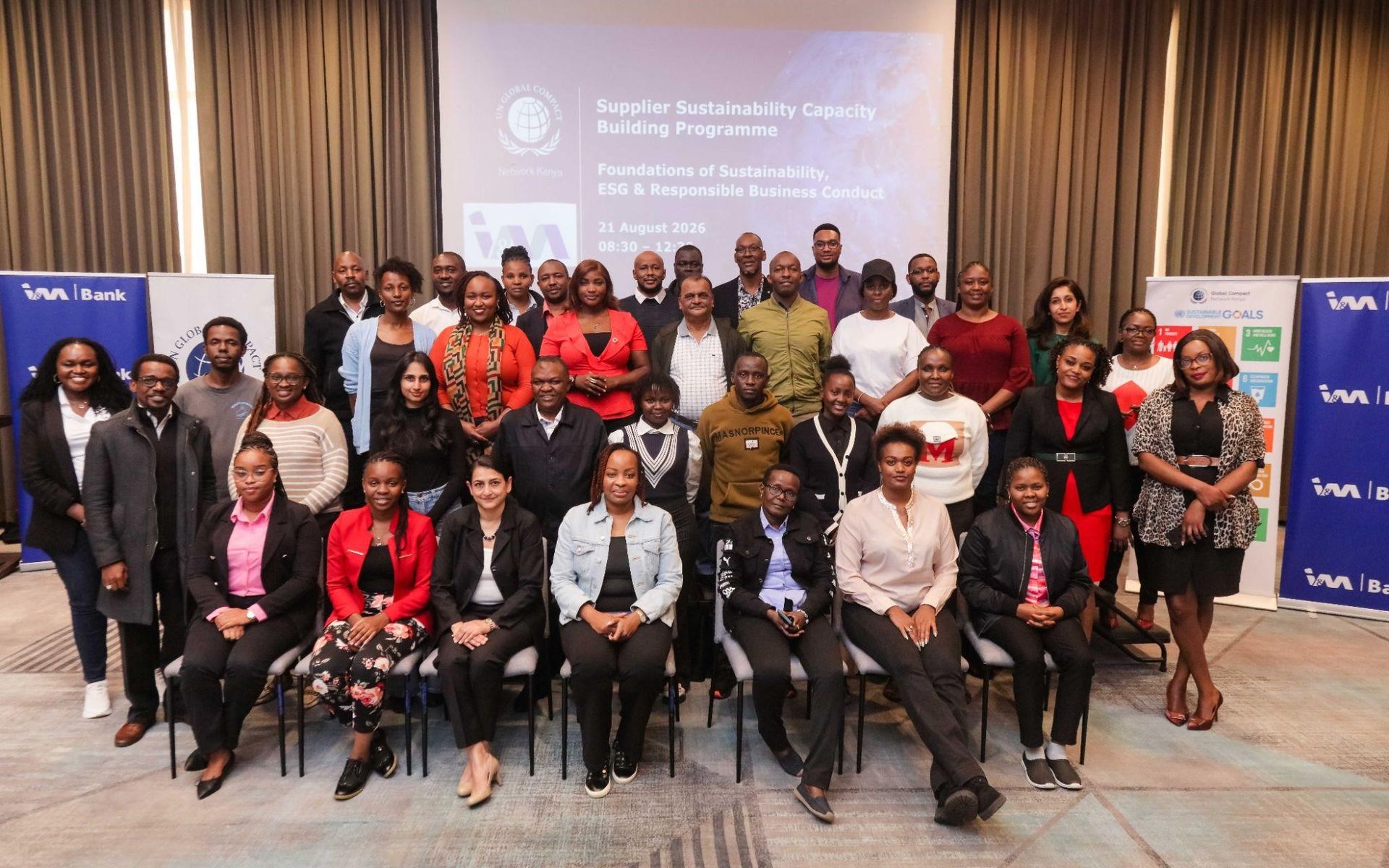
Global Compact Network Kenya and I&M Bank Launch Supplier Sustainability Building Programme
Le Pacte mondial des Nations Unies clôture la troisième édition du programme « Fondements de la Durabilité d'Entreprise »
UN Global Compact Network DRC Encourages Business Executives to Promote Women's Leadership
Tanzania Anchors Corporate SDG Impact Through The Voluntary National Review
Angola’s Corporate Leaders Mobilise for Climate Action