UN Global Compact Mobilises Africa’s Private Sector for the Third Edition of the FDE Programme
UN Global Compact Mobilises Africa’s Private Sector for the Third Edition of the FDE Programme
A significant cross-section of Africa’s businesses gathered on 14 April 2026 to mark the official opening of the third Fondements de la Durabilité d’Entreprise (FDE) programme. FDE was created to bridge the knowledge gap in Francophone Africa on corporate sustainability. This year’s inaugural session leveraged a unique hybrid structure to foster high-level dialogue while connecting hundreds of participants online to a shared vision for a sustainable African economy.
Led by the UN Global Compact’s Africa Regional Hub in Abuja in partnership with Networks and teams in Côte d’Ivoire, DRC, Mauritius (Indian Ocean), Tunisia and France, the FDE programme is designed specifically through an African lens. Building on the momentum of previous cycles that trained over 1,300 professionals, this edition arrives at a critical turning point. African companies are no longer viewing sustainability as an elective commitment but as a fundamental pillar of long-term value and operational viability.
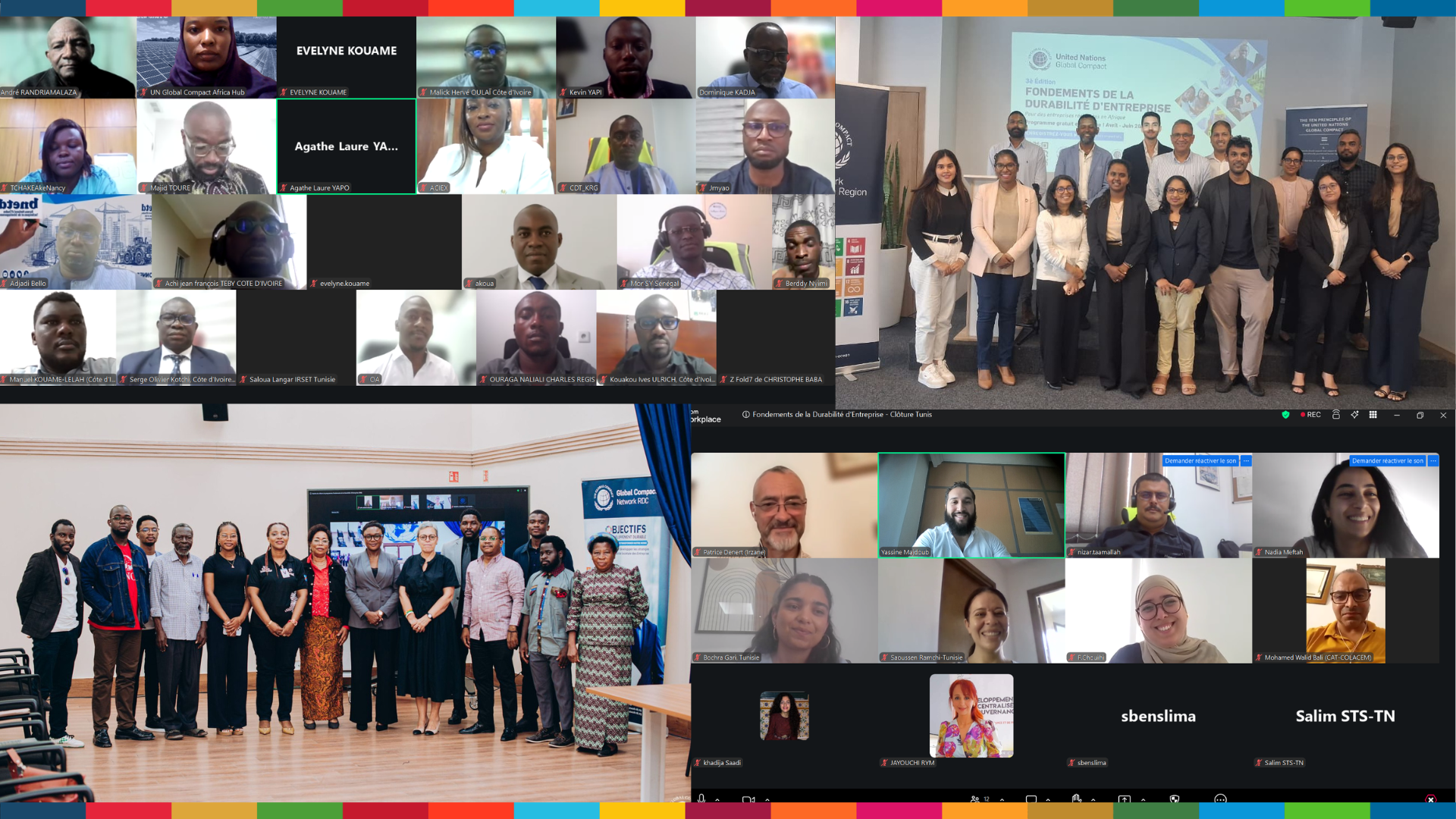
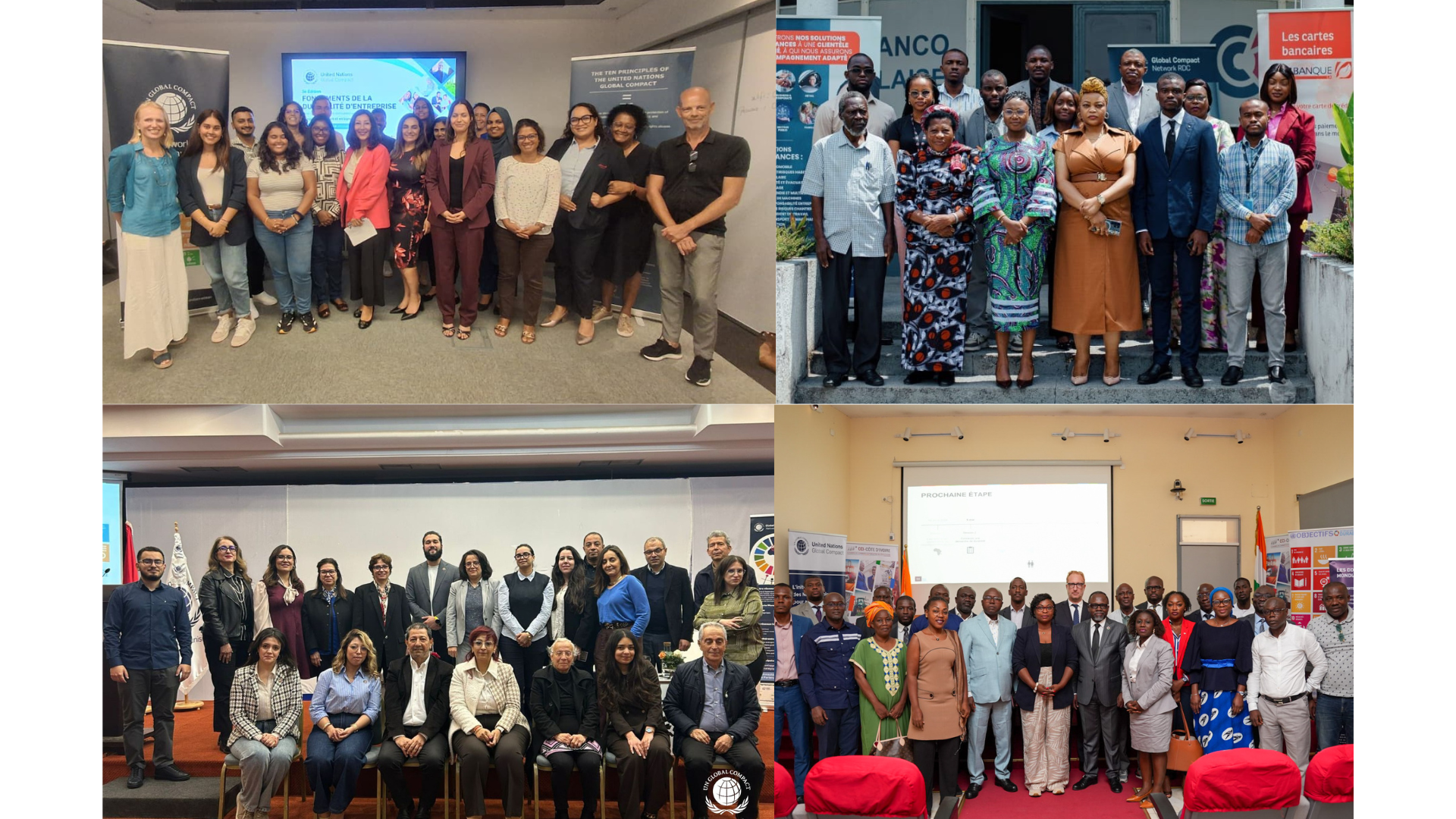
The opening session focused on the "Challenges and Opportunities of Sustainable Development in Africa", setting a practical tone for the six-part learning path. For the first time, physical opening ceremonies drew more than 200 participants (156 joining virtually) and were held simultaneously in four strategic centres: Abidjan and West Africa, Tunis and North Africa, Kinshasa and Central Africa, and Port-Louis and the Indian Ocean.
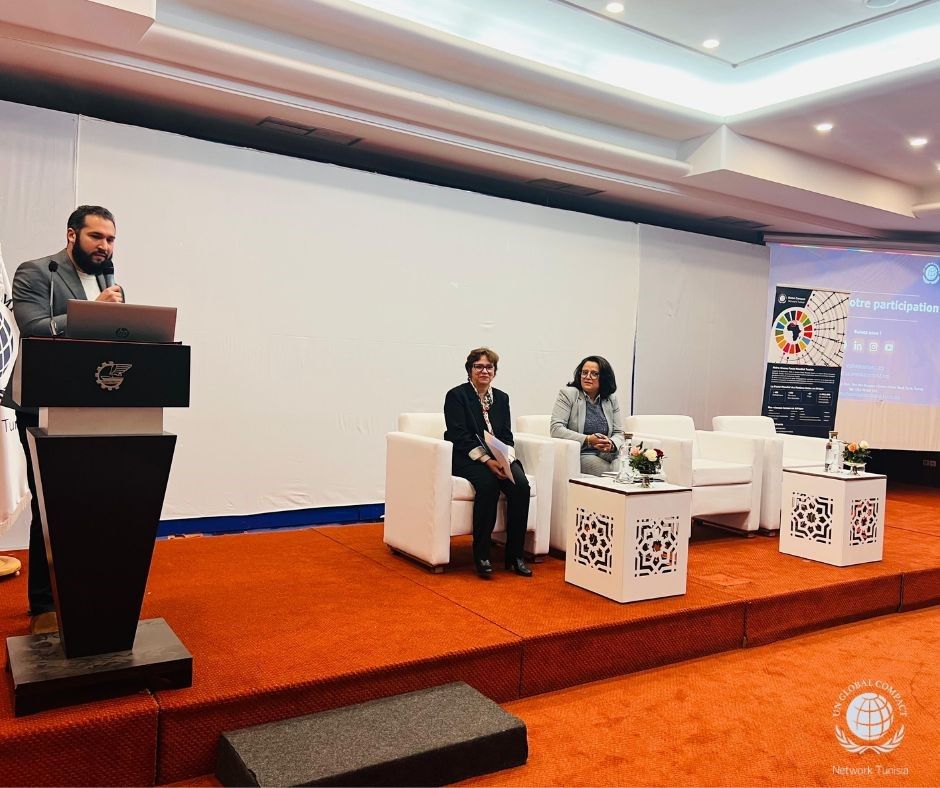
In Tunis, economic actors and experts gathered at the UTICA headquarters to explore concrete levers for integrating the Sustainable Development Goals (SDGs) into corporate strategy.
The session received 26 participants, with 23 joining online, and key partners, including the Conseil Bancaire et Financier and the Association
Tunisienne des Investisseurs en Capital (ATIC), joined the conversation, emphasizing that the transition to sustainable models is a collective financial and industrial responsibility.
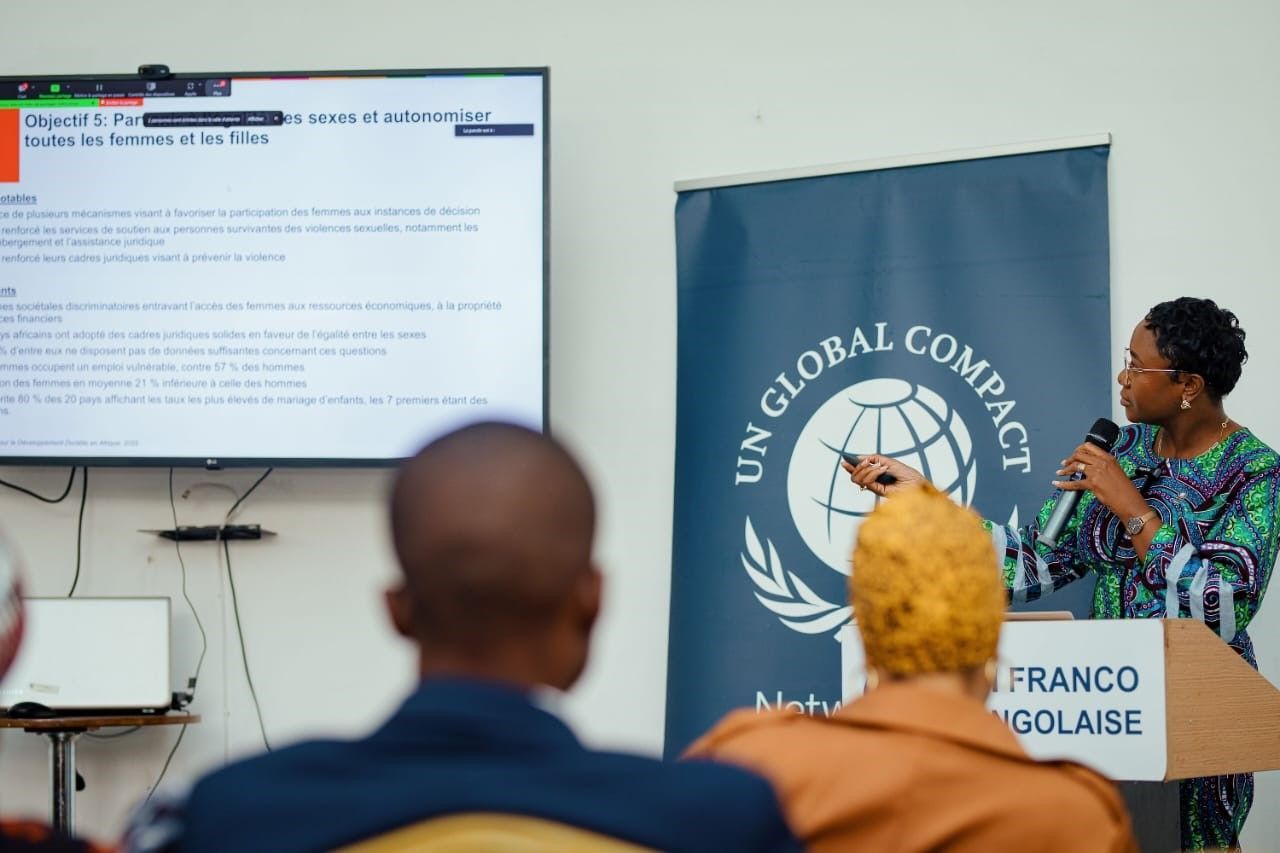
Meanwhile, in Kinshasa, the UN Global Compact Network DRC hosted a vibrant delegation of companies, reinforcing a regional dynamic focused on making local businesses more competitive on the international stage.
The message was clear: a structured framework for sustainability is the best tool for risk management and value chain strengthening.
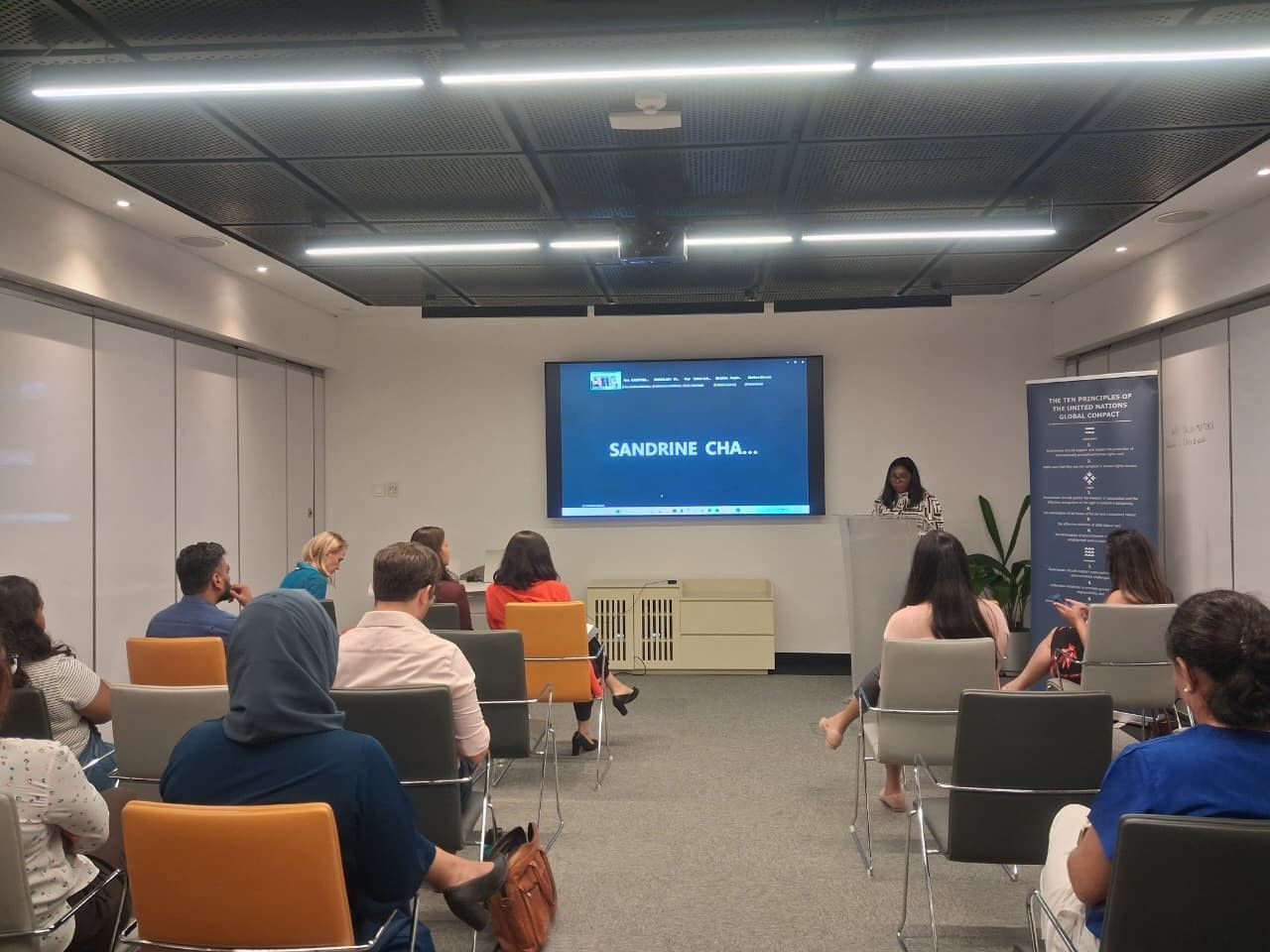
In the Indian Ocean, more than 16 companies attended the launch in person in Mauritius, as did the UN Resident Coordinator for Mauritius and Seychelles, Lisa Simrique Singh.
The session provided a candid platform for SMEs to reflect on a variety of industry realities, including limited access to green finance and the need for stronger regulatory frameworks.
Both larger institutions and SMEs demonstrated a commitment to initiating the transition, with the aspiration of translating this into accessible and practical solutions at the local level.
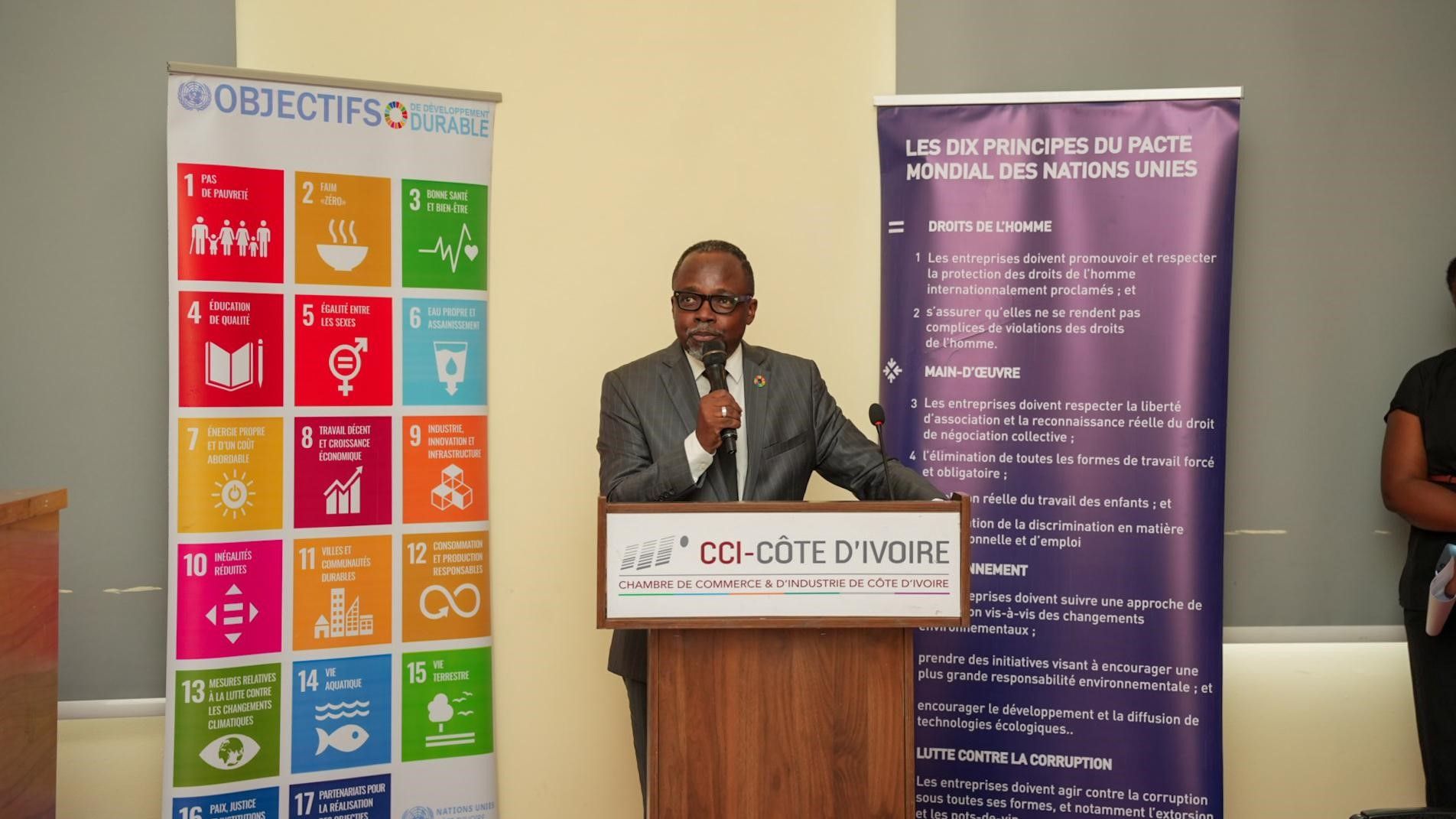
In Côte d'Ivoire, a diverse and engaged registered audience of over 45 companies and organizations gathered in person and online in Abidjan and other West African countries, highlighting that this learning pathway offers the essential tools for leaders to align their governance with global standards.
Over the next three months, participants will dive into complex topics, including decent work, gender equality, climate adaptation, and transparent reporting. By fostering a community of practice that spans West, Central, and North Africa as well as the Indian Ocean, the FDE programme is ensuring that the African private sector does not just navigate the future of sustainability but leverages the additional knowledge acquired to define it.
The subsequent sessions are designed to provide specialized training on the core pillars of responsible business conduct. Participants will explore the practical steps of designing a sustainability approach and advancing decent work and gender equality across their operations. The curriculum further examines climate adaptation and concludes on sustainability reporting.