Global Compact Network Kenya and OHCHR Convene Private Sector for Business and Human Rights Workshop
Global Compact Network Kenya and OHCHR Convene Private Sector for Business and Human Rights Workshop
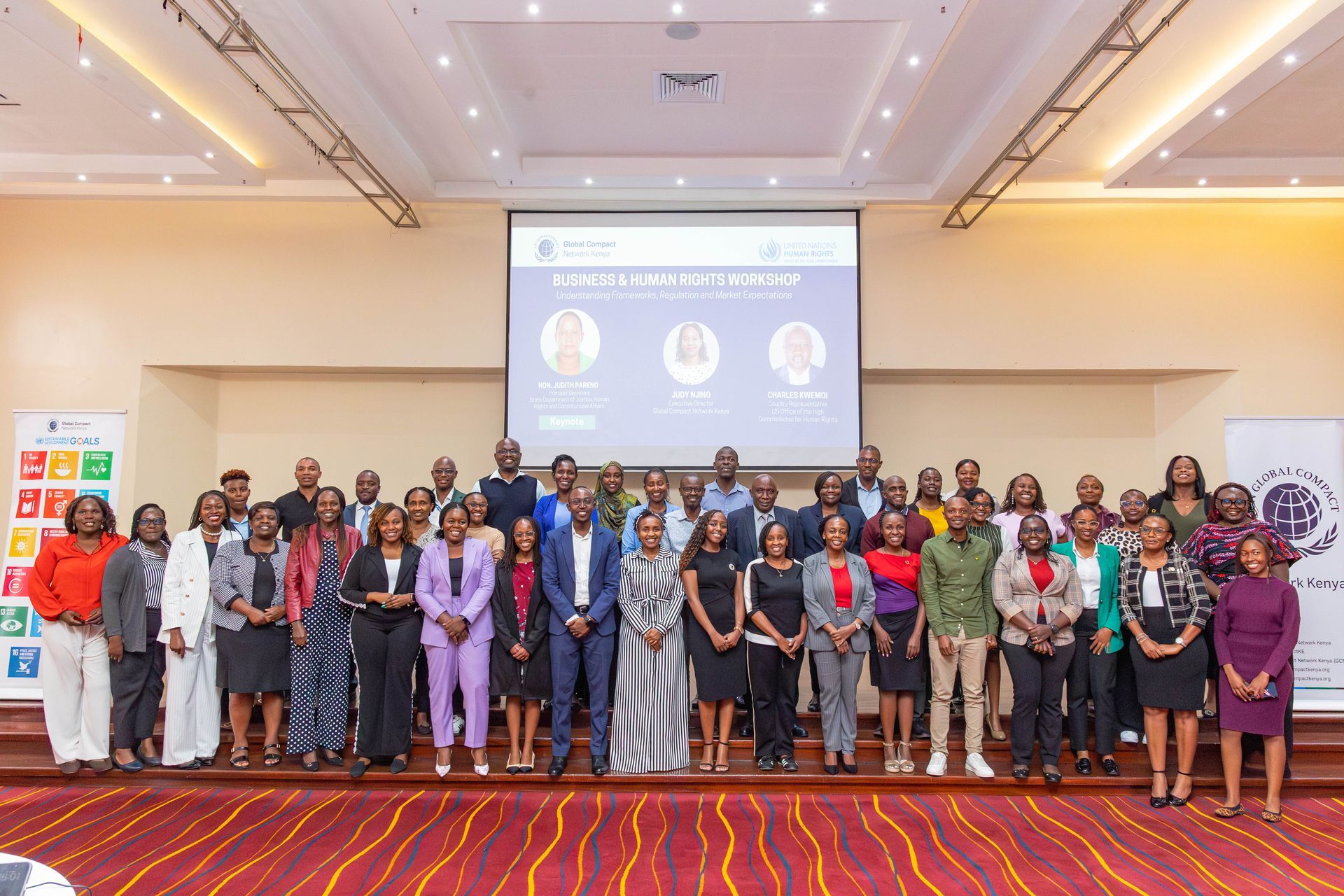
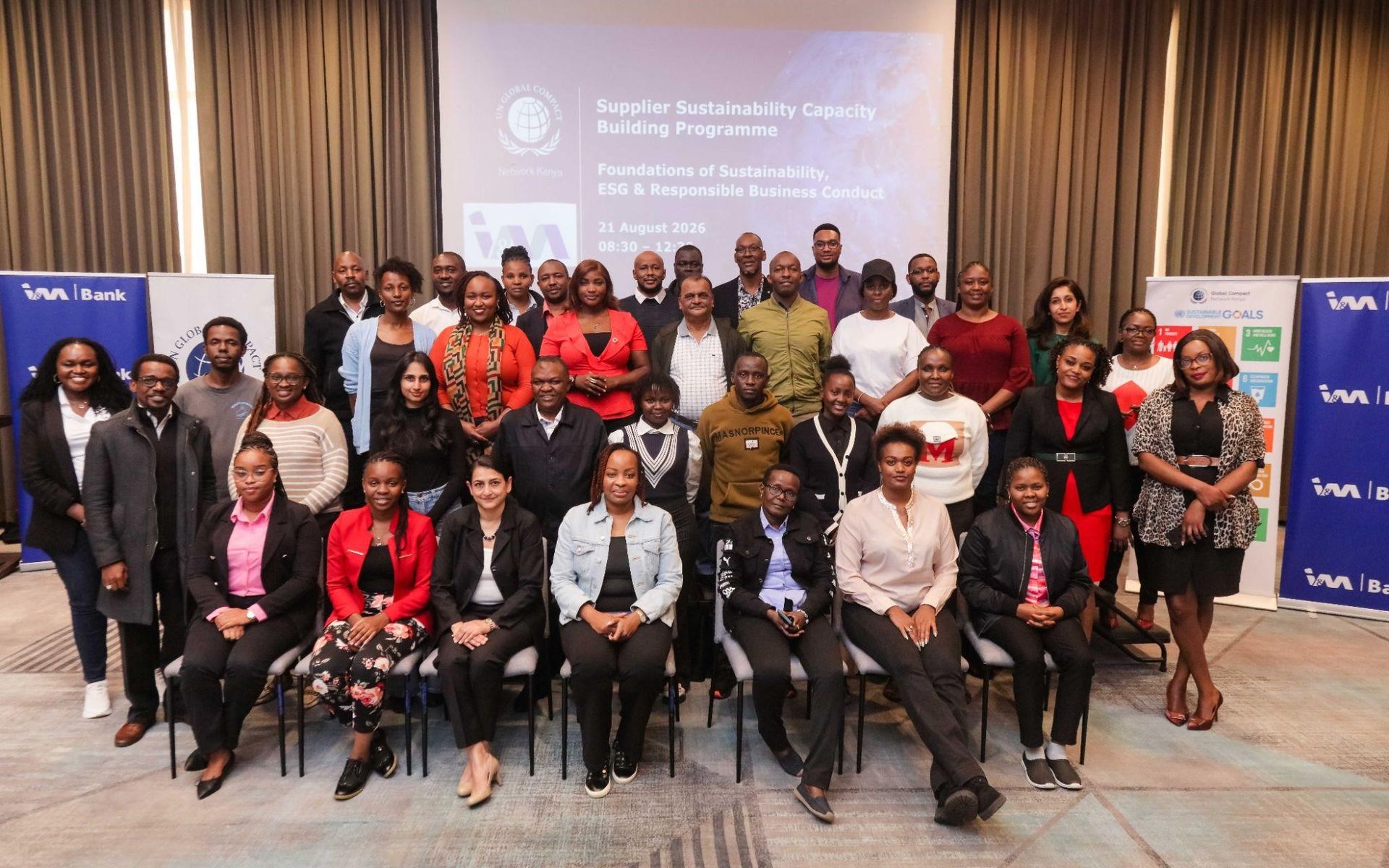
On 30 March 2026, Global Compact Network Kenya (GCNK), in collaboration with the Office of the High Commissioner for Human Rights (OHCHR), hosted the Business and Human Rights Workshop at Movenpick Nairobi, a focused, practical session designed to deepen private sector understanding of human rights frameworks and the evolving regulatory landscape.
The workshop drew over 50 participants, including senior business leaders, sustainability and ESG leads, legal and compliance professionals, and supply chain managers. The session unpacked the UN Guiding Principles on Business and Human Rights (UNGPs) and Kenya's National Action Plan (NAP) on Business and Human Rights, and explored what emerging ESG, due diligence, and market expectations mean for corporate governance, risk management, and access to capital.
The event came one week after the launch, at a separate government-convened forum, of two landmark national tools: Kenya's Human Rights Due Diligence (HRDD) Framework for Businesses and the Model Operational-Level Grievance Mechanism, developed with the Kenya National Commission on Human Rights. The workshop provided an important opportunity for the private sector to engage directly with these tools and understand how to put them into practice.
Officiating the event, Hon. Judith Pareno, Principal Secretary for the State Department of Justice, Human Rights, and Constitutional Affairs, challenged Kenyan businesses to stay ahead of rapidly evolving global expectations for responsible business conduct.
"Respect for human rights is a core component of governance, competitiveness and long-term business success," she stated. Pointing to new regulatory developments, from due diligence requirements to trade-related rules, she noted that buyers, investors, and regulators now expect stronger evidence of responsible practices across value chains. The question for companies, she emphasised, is not whether these expectations will arrive but how prepared they will be when they do.
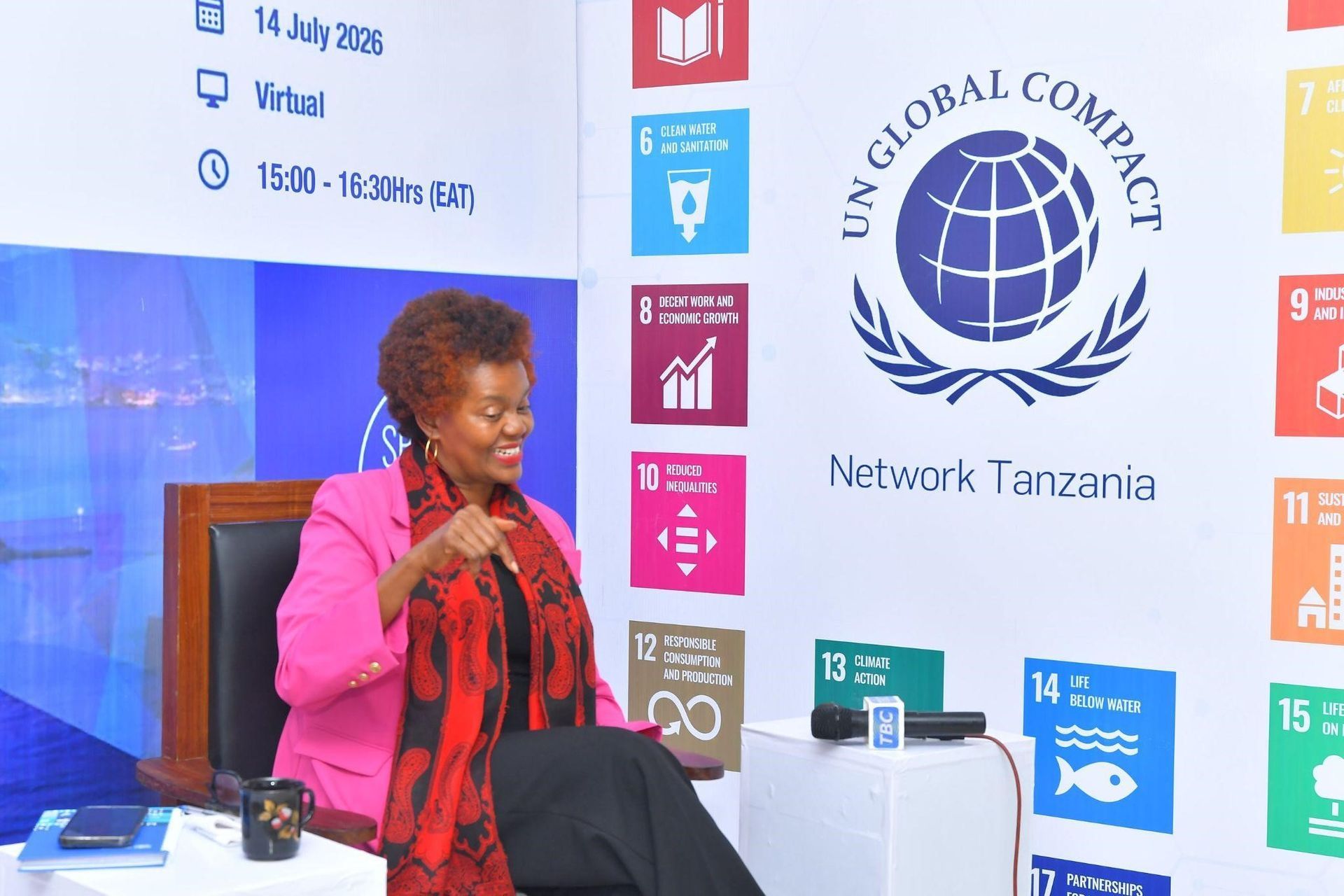
Judy Njino, Executive Director of Global Compact Network Kenya, reinforced this in her opening remarks, noting that companies that move early on human rights face fewer surprises as regulations tighten; build stronger trust with workers, communities, and regulators; and are better positioned in demanding value chains.
Charles Kwemoi, Country Representative, OHCHR, further emphasised that business and human rights are no longer peripheral issues but "sit at the heart of responsible and competitive business" in an era where human rights due diligence is increasingly a condition for market access.
Through keynote insights, expert presentations, and interactive discussions, participants explored practical entry points for aligning governance and operations with business and human rights standards, from clarifying responsibilities under the UNGPs and NAP to strengthening internal accountability and reporting practices.
As a key member of the Steering Committee for Kenya's National Action Plan on Business and Human Rights, GCNK has been instrumental in shaping the national business and human rights agenda. The workshop reflects the Network's ongoing commitment to equipping the Kenyan private sector with the clarity, frameworks, and partnerships needed to operate competitively while keeping people, justice, and dignity at the core of sustainable growth.
Kenya, being the first African country to establish a National Action Plan on Business and Human Rights, continues to set a high standard for the region. This workshop is a key stepping stone toward a Kenyan private sector that is market-ready, partner-ready, and people-centered in how it does business.