International Women’s Day 2026: Africa’s Private Sector Call for Accountability on Gender Equality
International Women’s Day 2026: Africa’s Private Sector Call for Accountability on Gender Equality
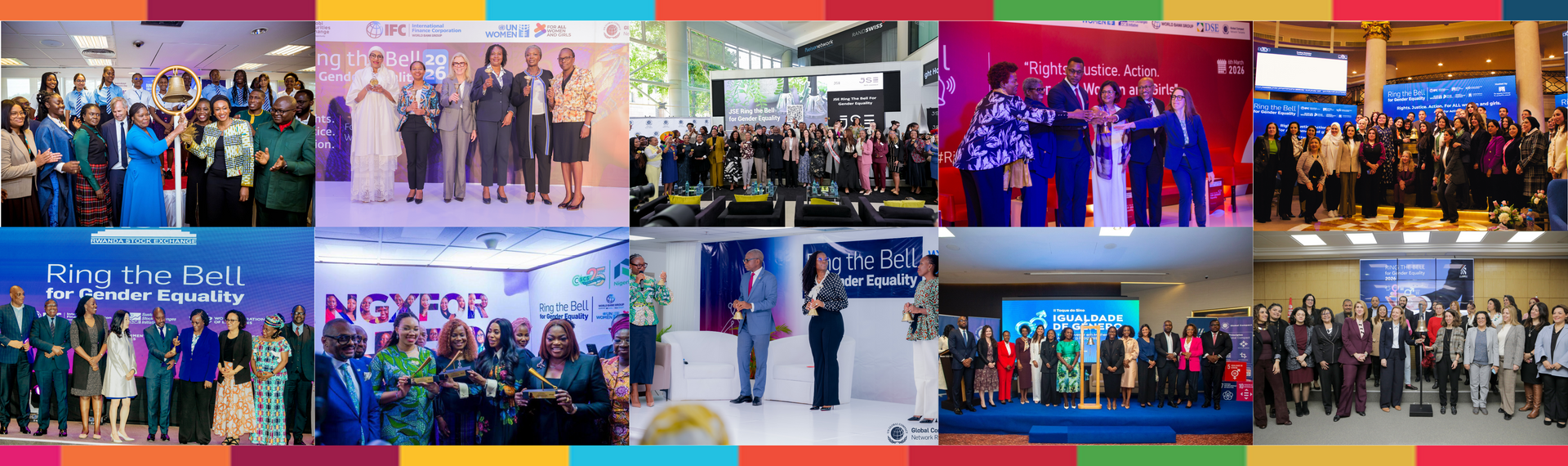
In March 2026, Global Compact Country Networks and expansion countries across Africa joined the global Ring the Bell for Gender Equality initiative to mark this year’s International Women's Day, reinforcing a shared commitment to advance gender equality through business leadership and accountability. Held annually on 8 March, this year’s theme — “Rights. Justice. Action. For ALL women and girls” — reflected a growing recognition that gender equality is not only a matter of rights, but also a driver of economic resilience and long-term value creation, not just globally but across the continent.
Organized in collaboration with UN Women, the United Nations Global Compact, the
Sustainable Stock Exchanges Initiative, the International Finance Corporation (IFC), and the
World Federation of Exchanges, the initiative continues to mobilise capital markets and the private sector to move from commitment to measurable progress. Leaders from business, government, and civil society convened to reflect on progress and define the actions needed to close persistent gaps.
Tanzania | 6 March
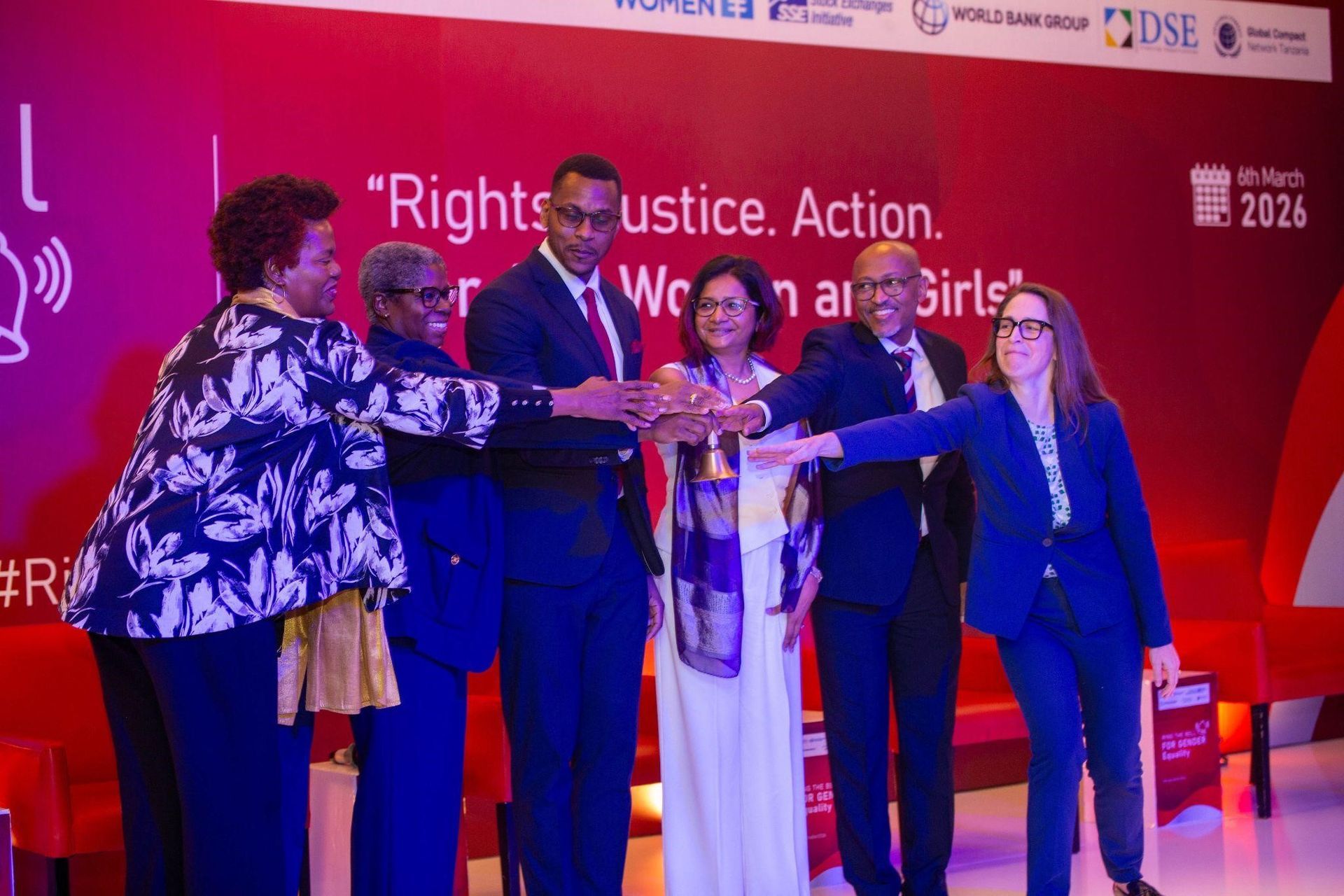
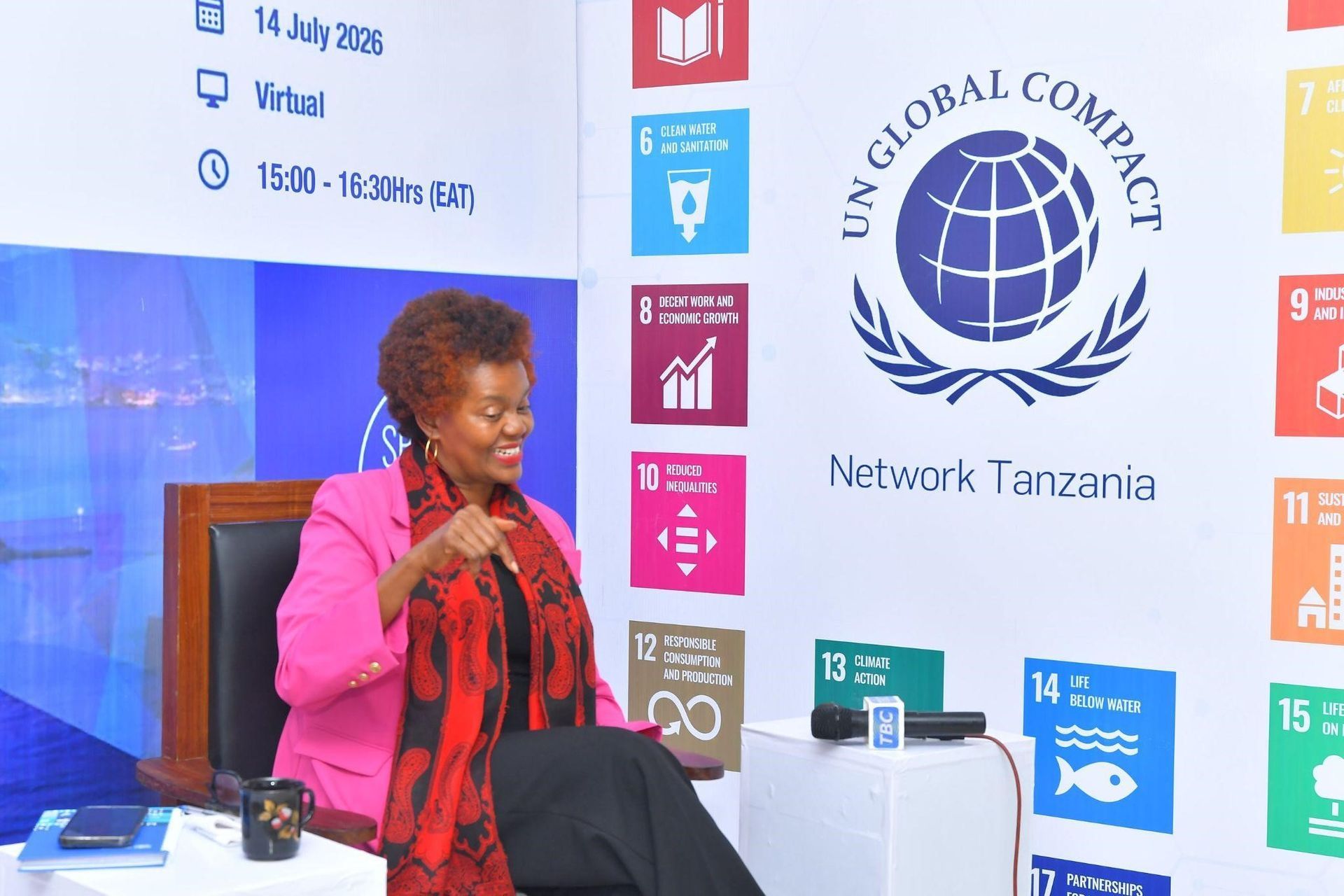
In Dar es Salaam, the Ring the Bell Conference, held at the Hyatt Regency Kilimanjaro, brought together leaders from across sectors to advance the gender equality agenda.
The UN Global Compact Network Tanzania partnered with organizations in the United Nations system and private sector actors, focusing on mobilising commitments and strengthening awareness ahead of national reporting processes.
Shabnam Mallick, Head of the United Nations Resident Coordinator’s Office, underscored the broader impact of investing in women, nothing that when women thrive,
economies grow and societies become more resilient. The event called for strengthened pathways for women’s leadership, entrepreneurship and participation in economic life.
Tunisia | 6 March

In Tunis, the Tunis Stock Exchange, in partnership with UN Women, convened economic decision-makers and financial experts and the UN Global Compact Network Tunisia.
Executive Director, Yassine Majdoub highlighted key initiatives, including the Target Gender Equality Accelerator and the Forward Faster initiative, which support companies in setting measurable goals on women’s representation and inclusion.
The discussions underscored the role of finance in advancing equality, with participants emphasising the need to translate commitments into concrete actions that expand opportunities for women in business and leadership.
Ghana | 9 March
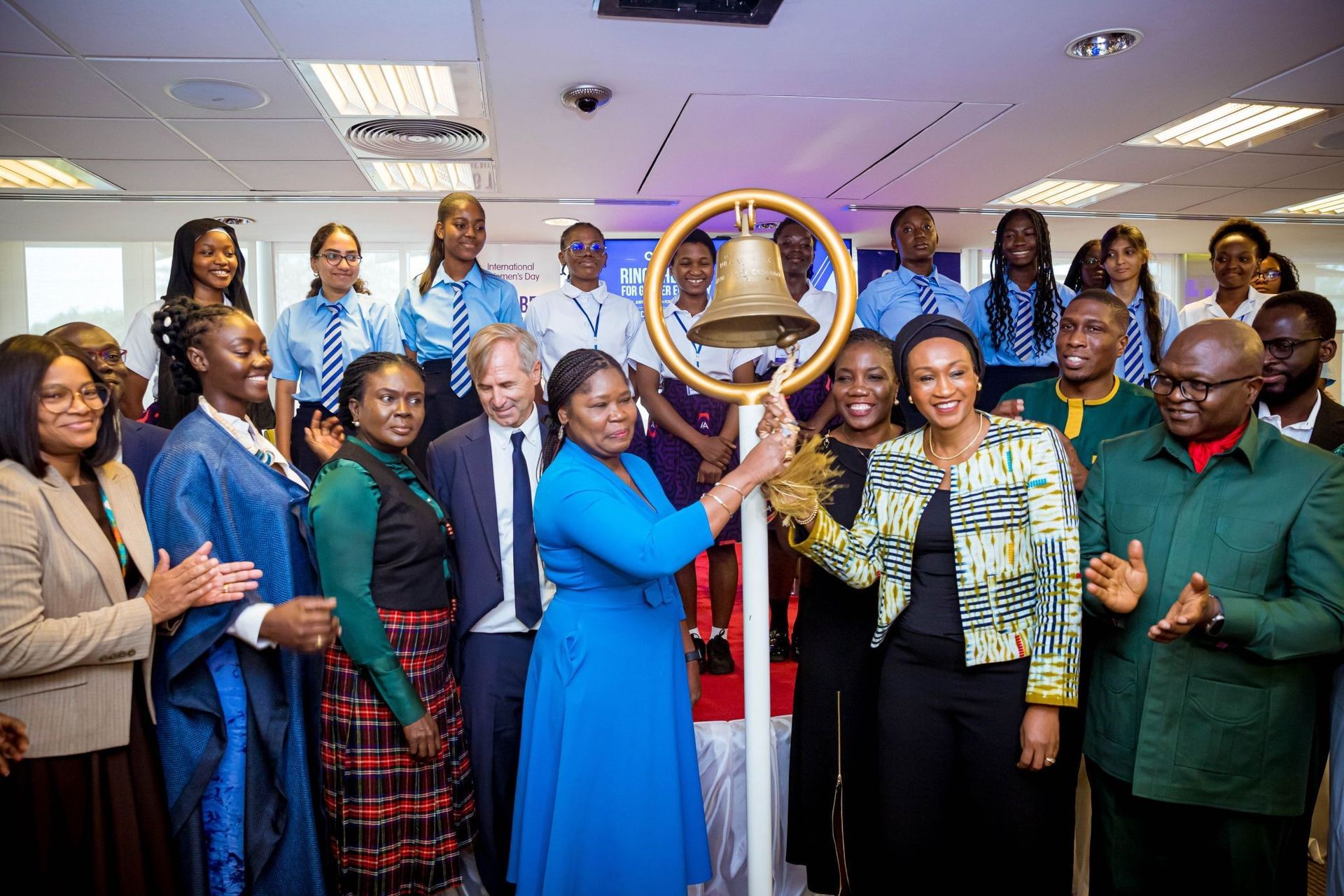
In Accra, the Ghana Stock Exchange, in partnership with IFC and in collaboration with UN Women, the UN Global Compact Network Ghana, the Sustainable Stock Exchanges Initiative and the World Federation of Exchanges, hosted a convening that brought together leaders across finance, agriculture, fashion and industry.
Discussions focused on expanding equitable access to finance for women and women-owned businesses. Participants highlighted the need for inclusive financial systems, stronger consumer protections and targeted investment strategies to unlock women’s economic potential.
Speaking at the event, Tolu Lacroix, Executive Director, UN
Global Compact Network Ghana, emphasised the value women bring to business performance and organisational stability. He noted that advancing financial inclusion for women is essential to building resilient economies and sustaining growth across sectors.
Ghana | 9 March
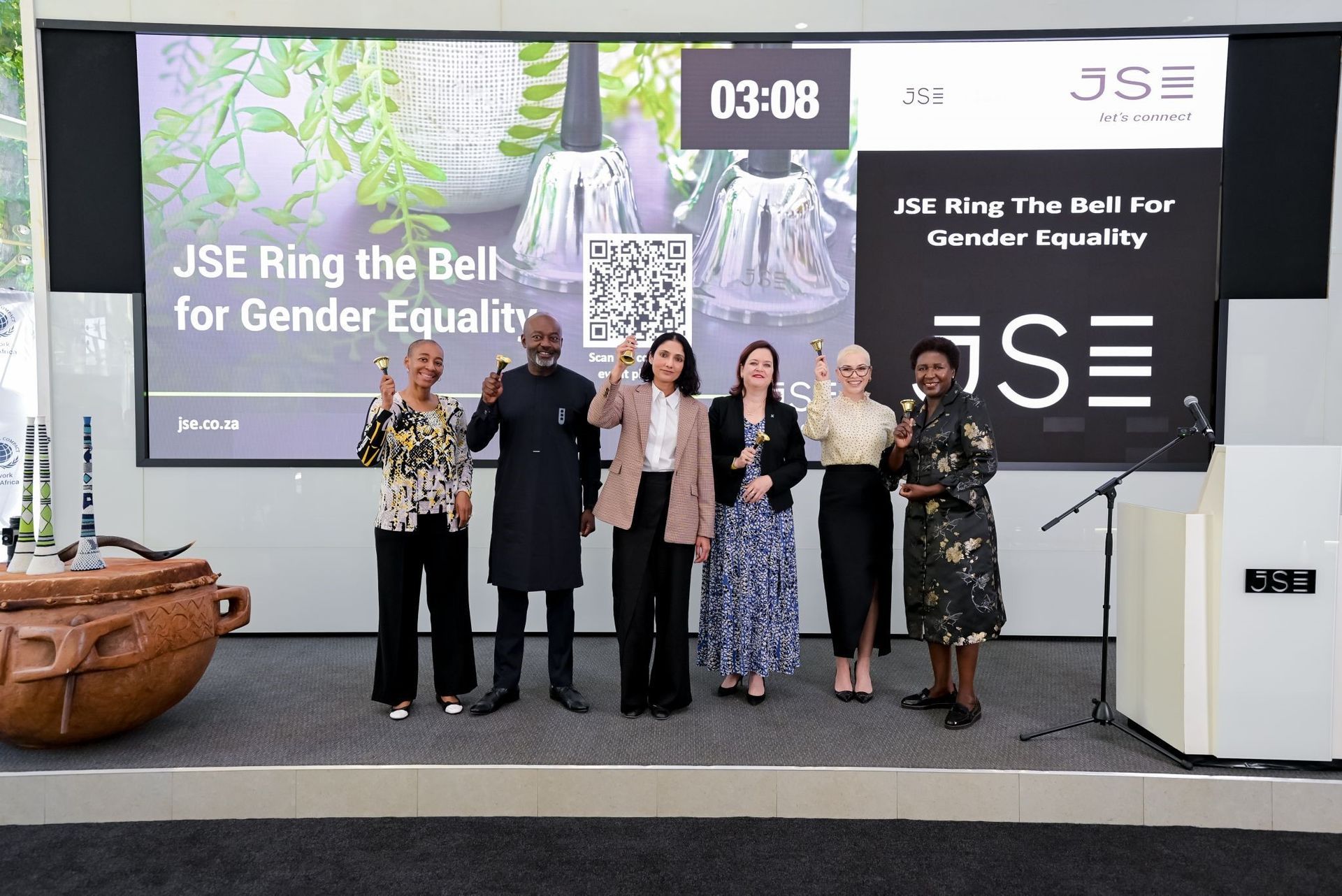
In Johannesburg, the Johannesburg Stock Exchange hosted the event in partnership with UN Global Compact Network South Africa, UN Women, Women in ETFs, Rand Merchant Bank and the CFA Institute.
The convening brought together leaders from across the financial ecosystem to reflect on the role of capital markets in advancing inclusion. Gabrielle Hussain facilitated the session, while Vuyo Lee highlighted the Exchange’s progress in promoting gender equality.
Nelson Muffuh, United Nations Resident Coordinator, called for accelerated action to empower women and young leaders.
Dr Simi Ramgoolam of Kumba Iron Ore shared insights on advancing inclusion within traditionally male-dominated sectors, while René Basson of Satrix and Women in ETFs emphasised the importance of women’s participation in investment and financial markets.
Nigeria | 10 March

In Lagos, the UN Global Compact Network Nigeria partnered with the Nigerian Exchange Group (NGX Group), Central Securities Clearing System Plc (CSCS) and Women in Management, Business and Public Service (WIMBIZ) to mark the initiative during the NGX Closing Gong Ceremony.
With support from UN Women, IFC, the World Federation of Exchanges and the Sustainable Stock Exchanges Initiative, the event convened leaders from government, finance and civil society. High-level participation included the Honourable Minister of State for Foreign Affairs and the First Lady of Imo State.
The dialogue focused on expanding economic opportunities for women and strengthening inclusive growth.
Participants underscored the need for sustained collaboration and deliberate action, particularly in ensuring that corporate commitments translate into tangible outcomes for women across value chains.
Kenya | 10 March
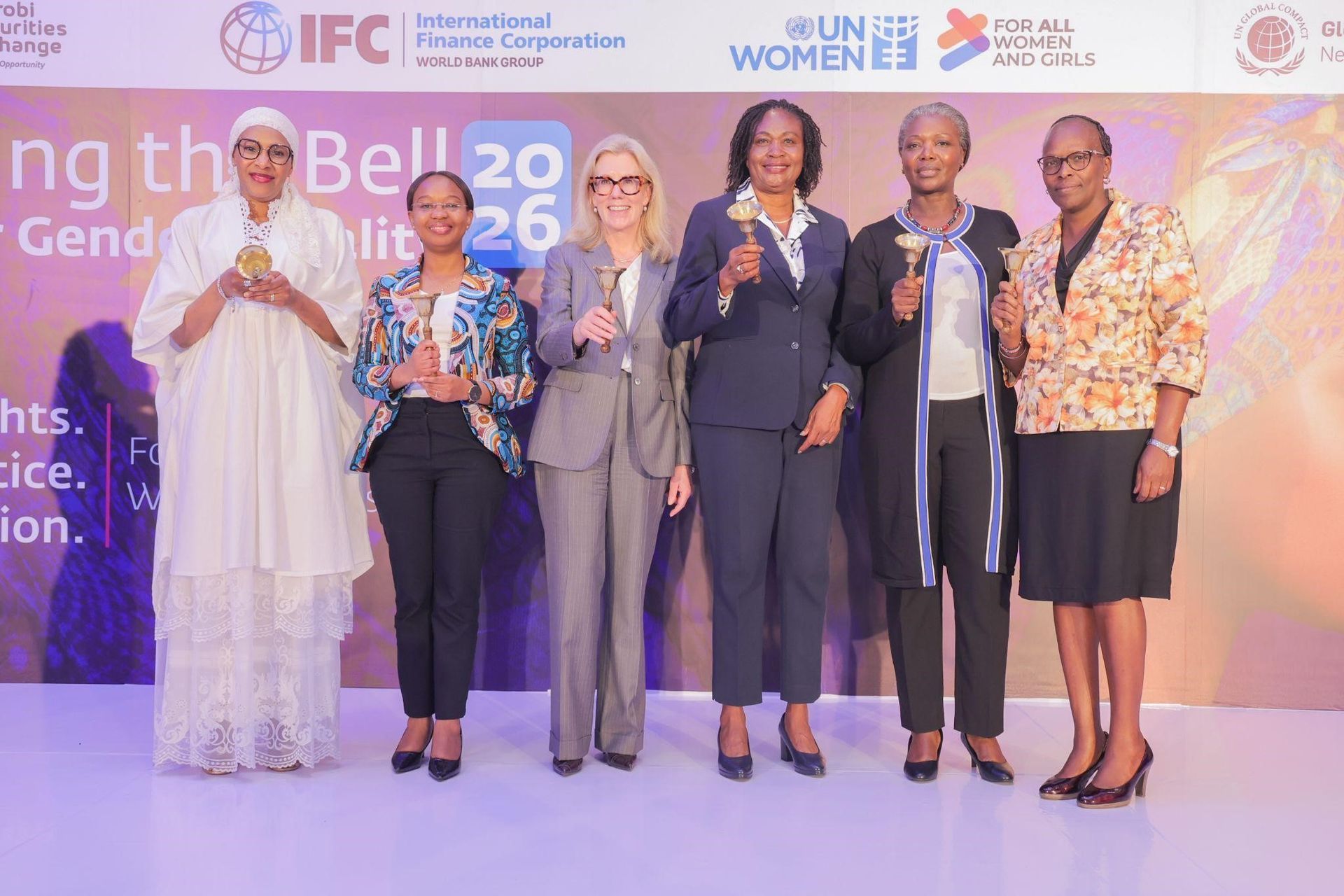
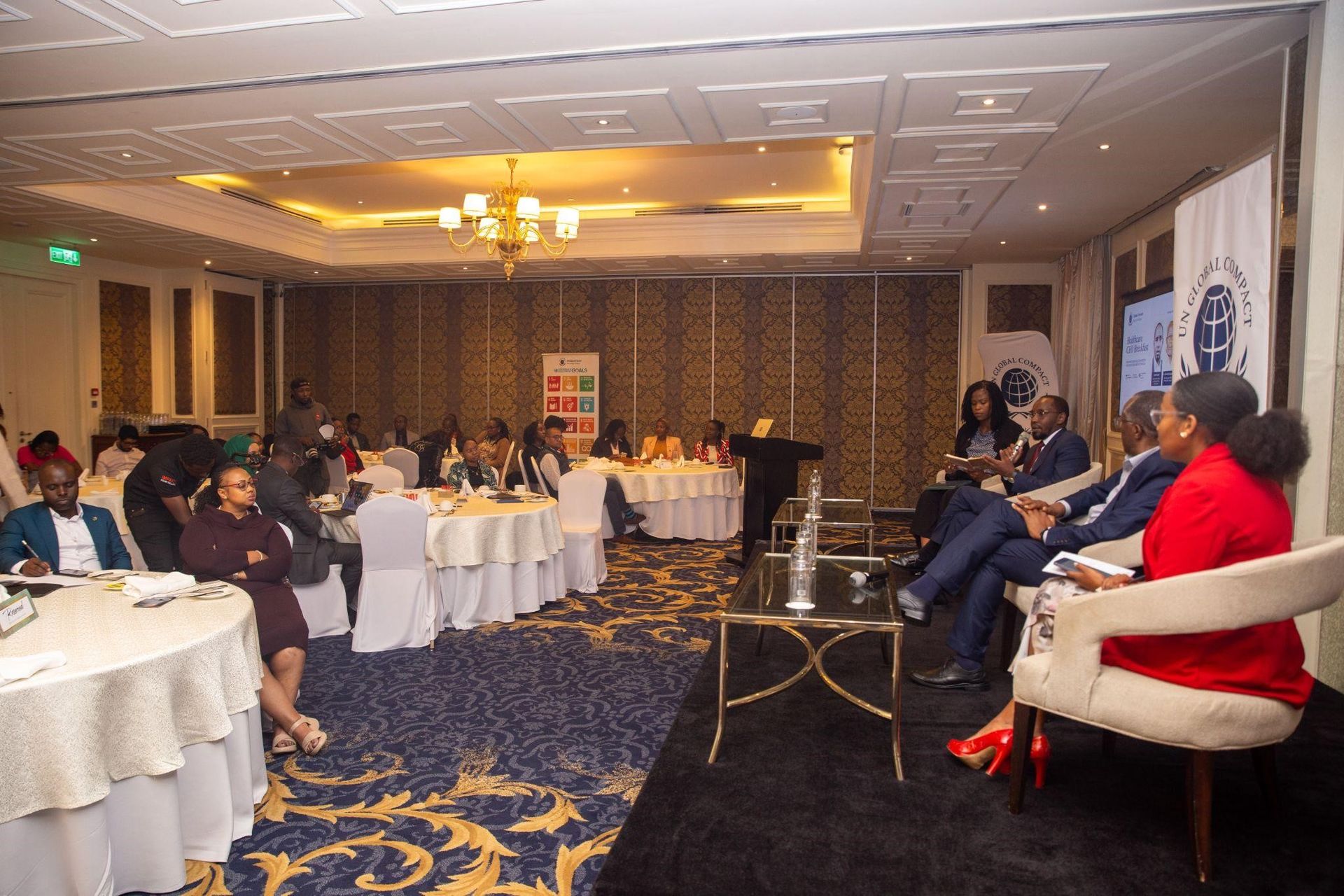
In Nairobi, Global Compact Network Kenya, together with the Nairobi Securities Exchange, IFC and UN Women, convened private sector leaders to examine the economic case for gender equality.
The discussions were grounded in evidence, highlighting persistent gaps in pay, leadership representation and access to opportunity. At the same time, speakers reinforced that inclusive practices drive innovation, performance and long-term value.
With over 160 companies in Kenya aligned with the Women’s Empowerment Principles, the focus is now shifting to accountability.
New tools such as the Transparency and Accountability Survey are encouraging companies to track and report progress, signalling a move from intention to measurable action.
Rwanda |16 March

In Kigali, the Rwanda Stock Exchange (RSE) convened stakeholders alongside UN Global Compact in Rwanda, UN Women, IFC, the Sustainable Stock Exchanges Initiative and the World Federation of Exchanges.
Honourable Consolée Uwimana, Minister of Gender and Family Promotion, emphasised the need for tangible results, noting that women remain under-represented in private sector decision-making roles. RSE CEO Pierre Celestin Rwabukumba reinforced the link between inclusive capital markets and stronger economic performance.
The event also recognised leadership and future potential, with Hortense Mudenge honoured for her contributions to
finance, and students from Gashora Girls Academy awarded for their efforts in financial literacy.
Rwanda |16 March
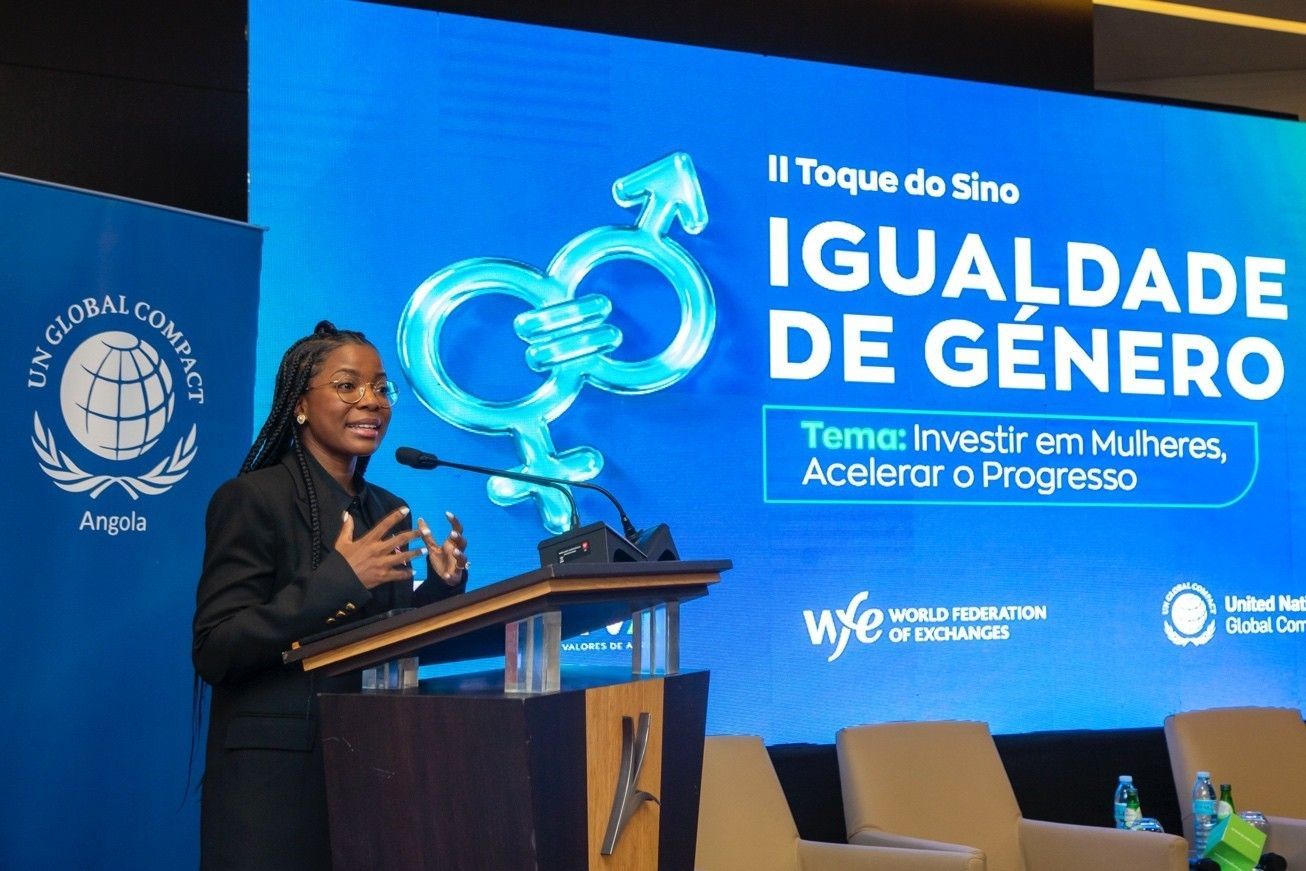
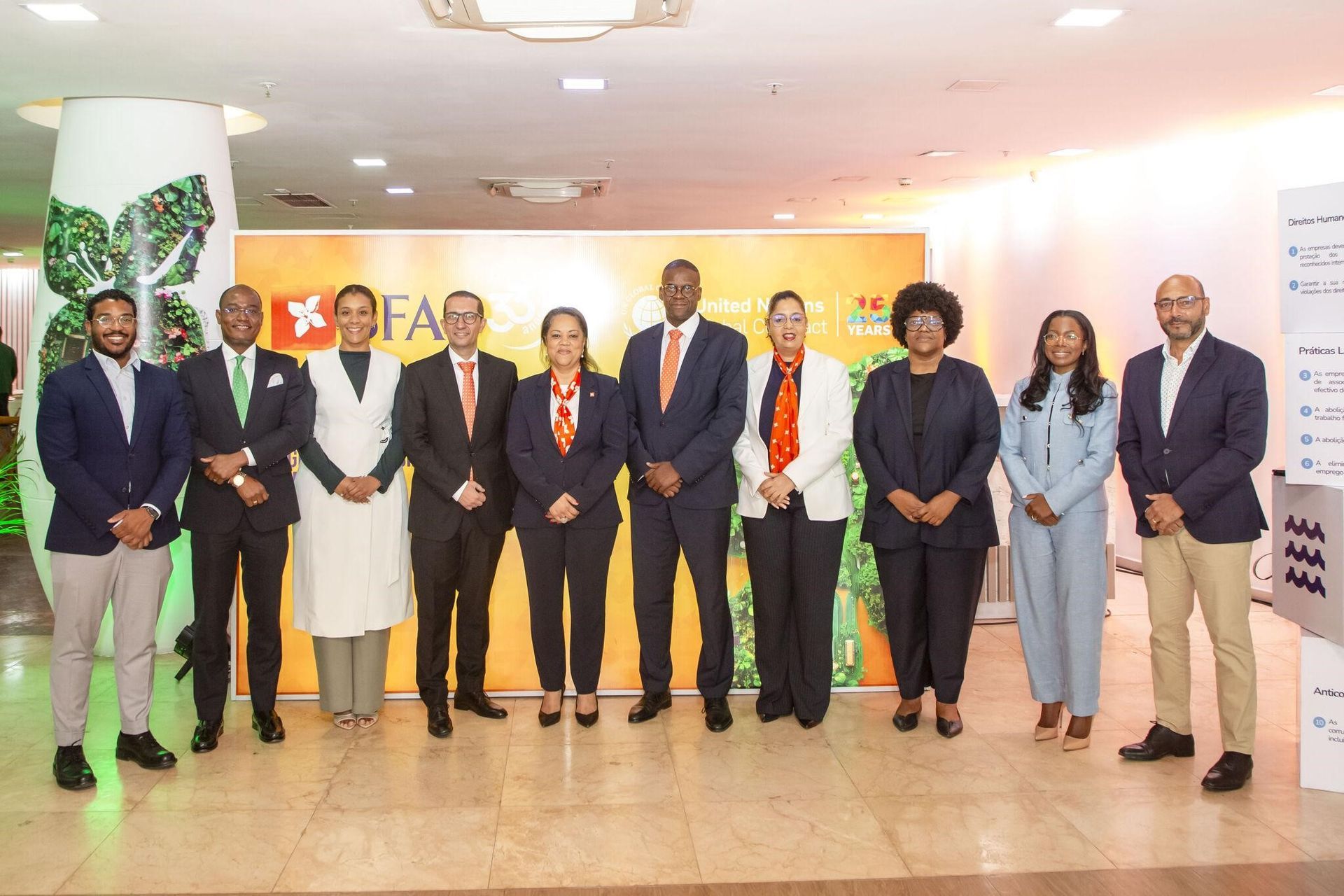
In Luanda, the UN Global Compact in Angola collaborated with BODIVA (Angola Debt and Stock Exchange) to host a Ring the Bell for Gender Equality ceremony. More than 130 participants from government, businesses and civil society joined the event. Under the theme “Invest in women to accelerate progress", the event provided a platform for dialogue and reflection on the importance of gender equality as a key driver of sustainable development.
Earlier in March, workshops were organized in partnership with Banco Millennium Atlântico and Banco BCS. These sessions brought together companies and their suppliers to explore what works, share real challenges and ideas on how to build fairer workplaces.
DR Congo | 31 March
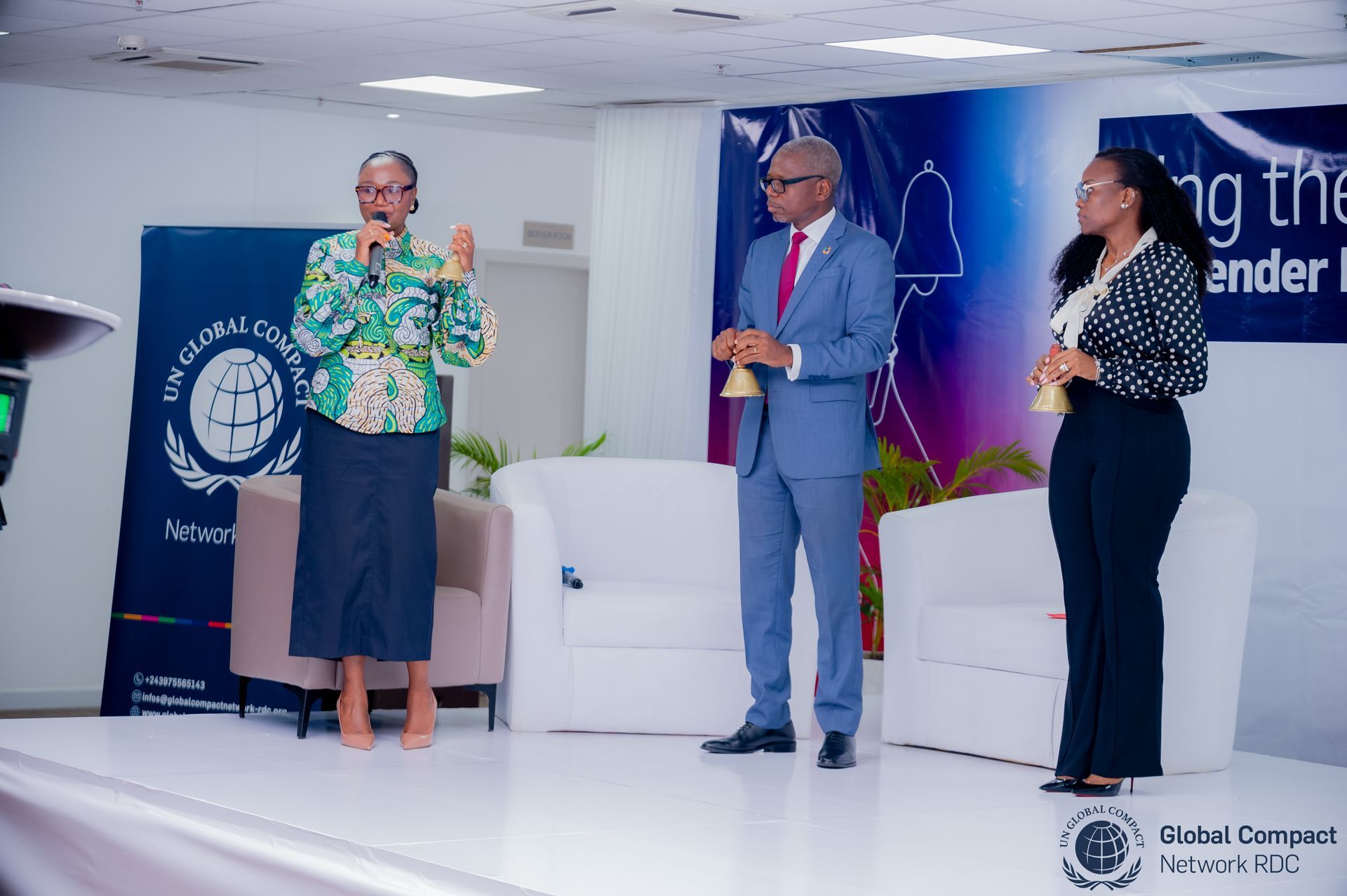
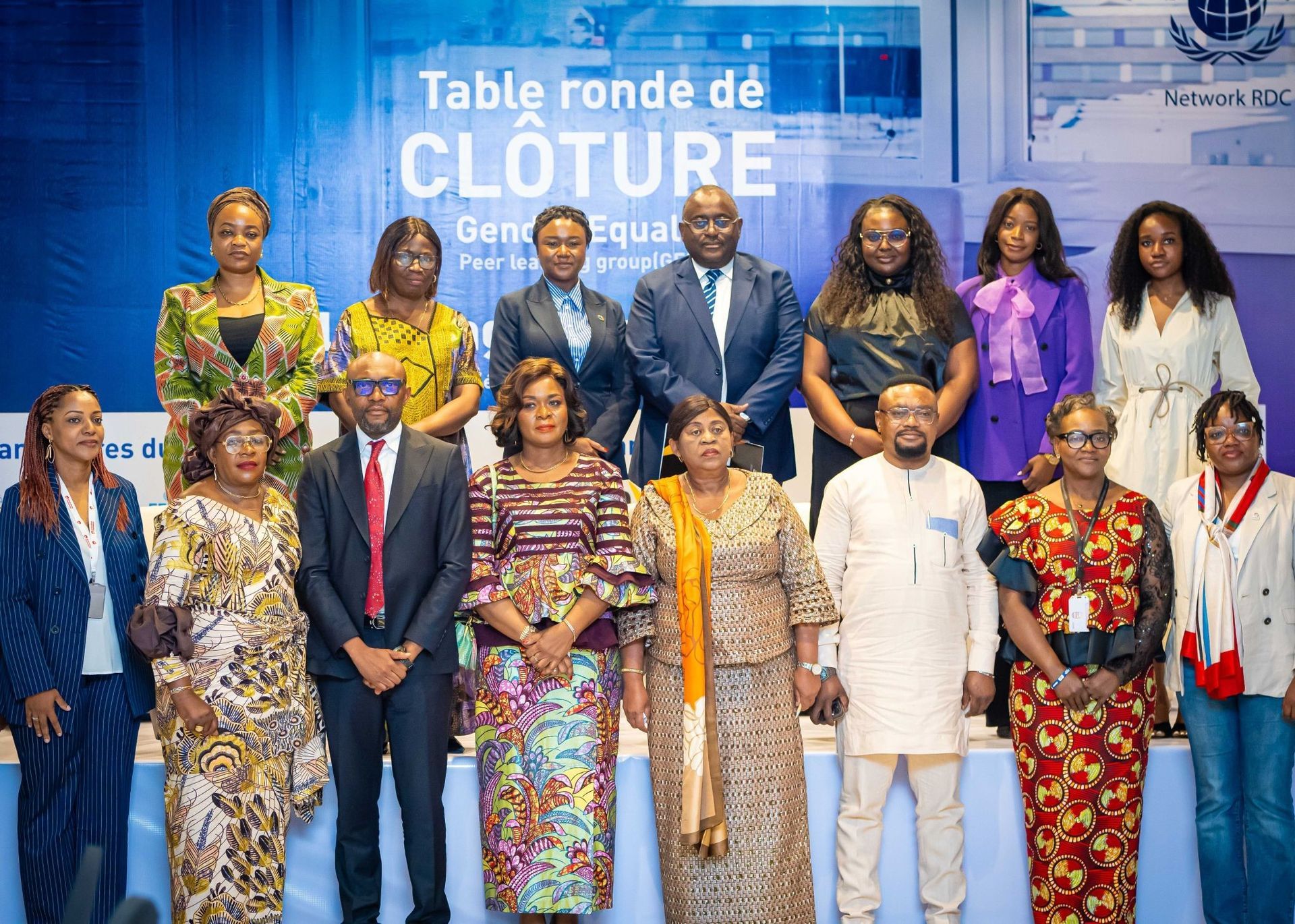
In Kinshasa, the Democratic Republic of Congo marked a historic milestone by joining the global Ring the Bell for Gender Equality initiative. Hosted by Vodacom Congo, the inaugural event convened key partners including UN Women, the International Finance Corporation, and UNDP.
This collective action signals a shift from commitment to execution, positioning gender inclusion as a critical economic requirement. Jessica Webe, Executive Director of the UN Global Compact Network DRC, emphasized that
Progress on gender equality in Africa remains uneven. While gains in education and political representation are encouraging, gaps in economic participation, leadership, and protection from violence persist—especially for women in rural and fragile contexts. The challenge lies not in commitments, but in consistent implementation.
For over a decade, the Ring the Bell for Gender Equality initiative highlights the growing role of the private sector in turning commitments into measurable results. Gender equality is increasingly recognised not only as a rights issue, but as essential to economic resilience and long-term business performance.
Through frameworks such as the
Women’s Empowerment Principles, the
Target Gender Equality Accelerator and the
Forward Faster initiative, the UN Global Compact continues to support companies in turning commitments into measurable results.
Egypt | 9 April
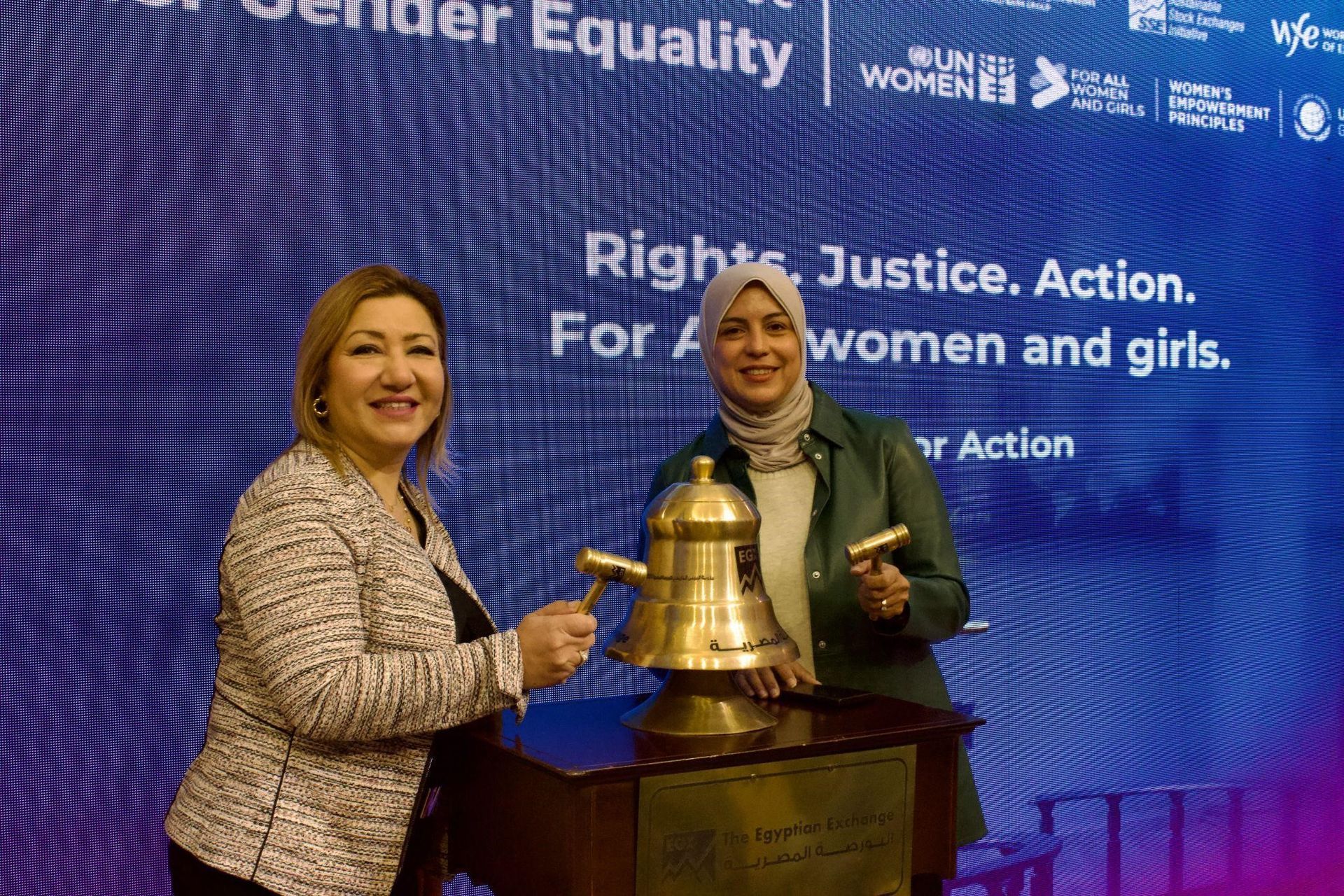
In Cairo, the UN Global Compact Network Egypt rang the bell for gender equality at the Egyptian Exchange, calling for structural reforms to dismantle barriers across the workplace and community.
Executive Director, Walaa El Husseiny underscored that leveraging women’s full potential is an essential requirement for navigating modern economic shifts, highlighting how the Bloom with Purpose program equips 100 women annually with leadership capabilities to drive institutional resilience.
The ceremony featured high-level contributions from the Financial Regulatory Authority, the International Finance Corporation and UN Women, with discussions centred on inclusive financial systems and national growth.
The event concluded by recognizing outstanding female achievers with Success Awards, signaling a decisive shift toward measurable leadership outcomes and acknowledging the impact of CMI-certified leaders within Egypt’s private sector.
Conclusion
Progress on gender equality in Africa remains uneven. While gains in education and political representation are encouraging, gaps in economic participation, leadership, and protection from violence persist—especially for women in rural and fragile contexts. The challenge lies not in commitments, but in consistent implementation.
For over a decade, the Ring the Bell for Gender Equality initiative highlights the growing role of the private sector in turning commitments into measurable results. Gender equality is increasingly recognised not only as a rights issue, but as essential to economic resilience and long-term business performance.
Through frameworks such as the
Women’s Empowerment Principles, the
Target Gender Equality Accelerator and the
Forward Faster initiative, the UN Global Compact continues to support companies in turning commitments into measurable results.