UN Global Compact Calls for Cross-Sector Partnerships to Strengthen Regional Resilience at 2026 Leaders’ Summit
UN Global Compact Calls for Cross-Sector Partnerships to Strengthen Regional Resilience at 2026 Leaders’ Summit
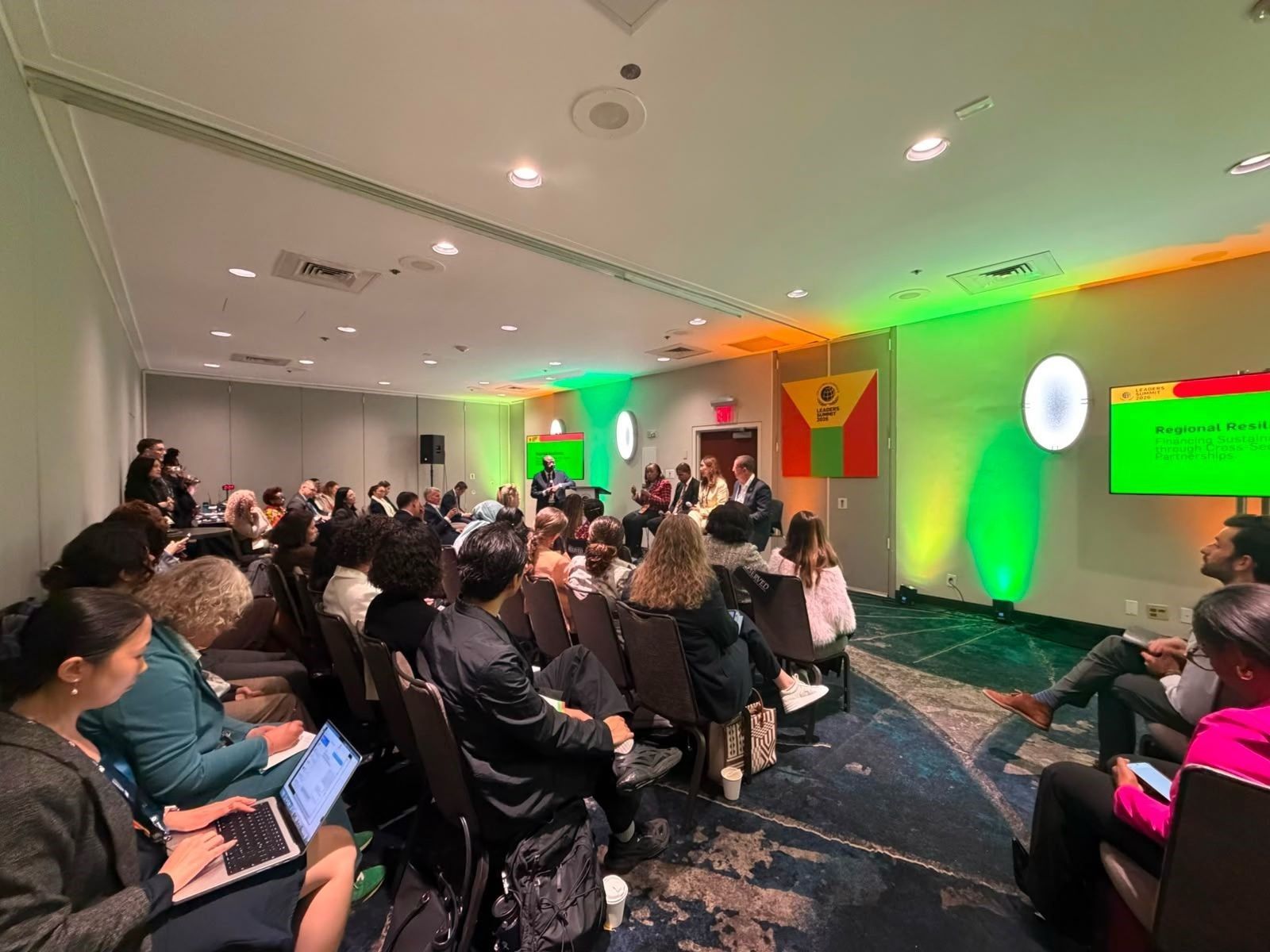
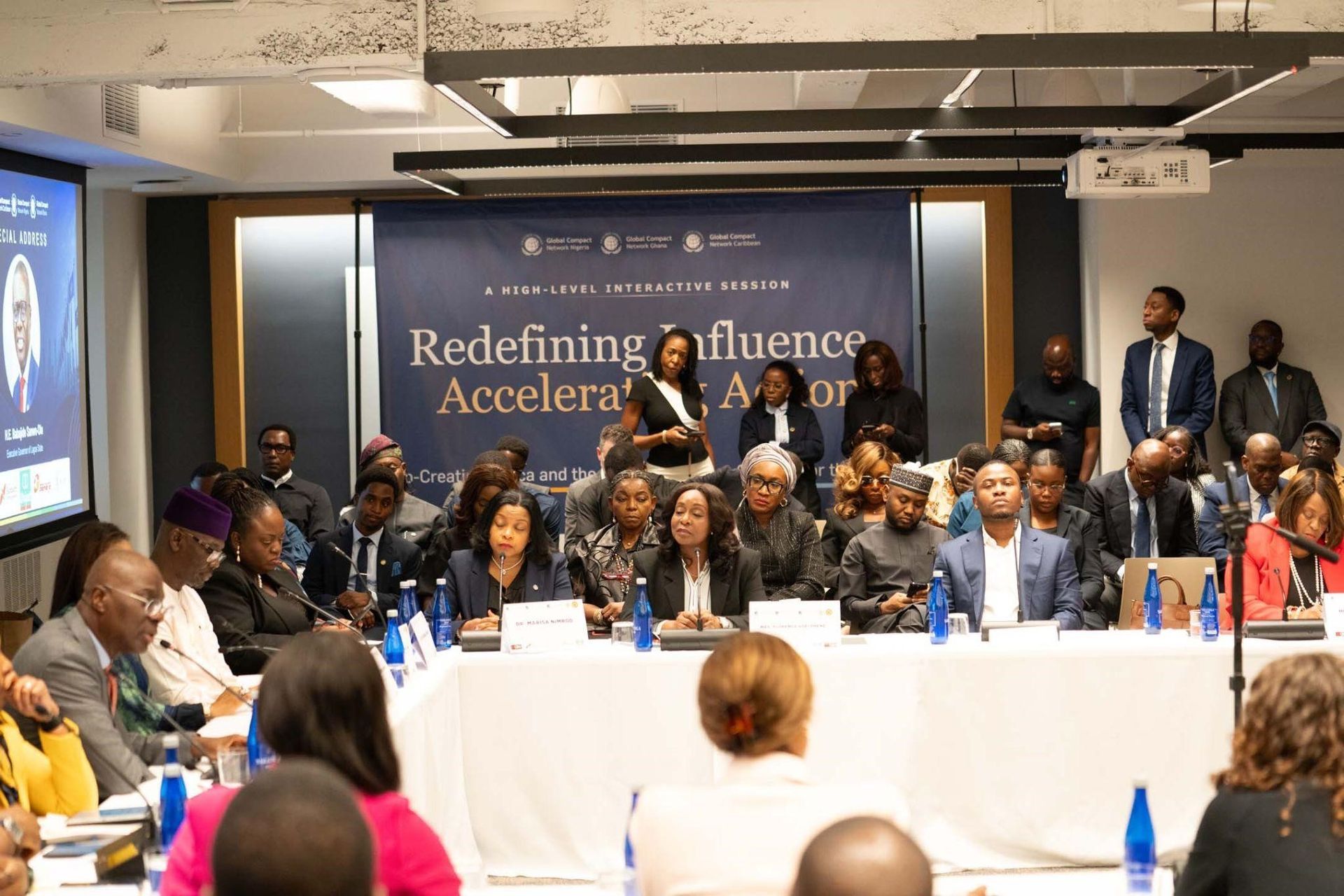
On the margins of the United Nations General Assembly in New York, the UN Global Compact convened a key session at its 2026
Leaders’ Summit exploring “Regional Resilience: Financing Sustainability Goals through Cross-Sector Partnerships.”
Organized by the Global Compact’s Africa and Central Asia Regional Hubs and the Sustainable Finance team on 22 September, the convening gathered leaders and financial experts from Africa, Central Asia, and Europe. The dialogue focused on actionable strategies to overcome persistent funding shortfalls, mitigate perceived investment risks, and translate high-level sustainability ambitions into bankable, real-world projects.
The session brought together a diverse group of stakeholders, including private-sector leaders, financial institutions, institutional investors, government representatives, national development banks, regulators, and policymakers. Among the notable speakers and participants in the session were Ms Phuthi Mahanyele-Dabengwa of Naspers Limited; Mr Luís Gonçalves of Banco de Fomento Angola; Mr Philippe Vogeleer of Freedom Holding Corp.; Mrs Dina Zhanadil of the Development Bank of Kazakhstan; and Mrs Mendi Njonjo of KCB Foundation.
Key Takeaways
A central message from the session was that sustainable development cannot be financed at scale through isolated commitments. Achieving meaningful and lasting progress will require businesses, financial institutions, development partners, and governments to work together to create financing structures that are scalable, investable, and responsive to local realities.
While opening the session, Mrs Tolulope Lewis-Tamoka, Chief of Government Relations and UN, and Dr. Hervé Lado, Head of the Africa Hub, highlighted that the investment potential across emerging markets is vast, yet too much capital remains on the sidelines, sustainable finance still being too fragmented. It was observed that building true regional resilience requires moving past traditional perceptions of risk by co-creating bankable, investable project pipelines tailored to our local economic realities. Cross-sector partnerships, including with donors such as the Swedish cooperation agency (SIDA) and derisking mechanisms, are not an optional add-on—they are the core financial infrastructure required to turn sustainability commitments into scalable, real-world impact.
Moderating the opening panel, Ms Judy Njino, Executive Director of the Global Compact Network Kenya guided participants through the conditions required to unlock and accelerate the flow of capital. Key areas of focus included blended finance, cross-sector partnerships, stronger pipelines of investable projects, risk-sharing mechanisms, and institutional capacity.
The discussion also connected the technical challenges of financing and investment risk to the broader goal of building resilient economies and advancing the Sustainable Development Goals (SDGs). It underscored that innovative partnerships involving the private sector are not simply a supporting element of sustainable development; they are a critical part of the infrastructure needed to deliver it.

For emerging markets, particularly across Africa and Central Asia, significant opportunities for sustainable investment exist alongside persistent financing and capacity constraints. Limited access to capital, perceived investment risks, insufficient project pipelines, and institutional gaps can make it difficult to translate viable opportunities into bankable projects.
Against this backdrop, the summit examined how collaboration among businesses, financial institutions, development partners, and public-sector institutions can help unlock capital and accelerate sustainable development. Participants explored financing models, partnership approaches, and institutional enablers that can help mobilize investment and strengthen regional resilience.
Regional resilience cannot be built by one institution acting alone. It depends on the ability of businesses, financial institutions, development partners, and public-sector actors to work collectively to mobilize capital, strengthen economies, and advance sustainable development across regions.