Angola’s Corporate Leaders Mobilise for Climate Action
Angola’s Corporate Leaders Mobilise for Climate Action
The circular economy is rapidly transitioning from a niche environmental framework to a cornerstone of economic resilience and industrial strategy across Africa. For a continent experiencing swift demographic growth and urbanisation, resource efficiency offers a structural mechanism to decouple economic growth from ecological degradation. According to the African Development Bank (AfDB), embracing circularity represents a global market opportunity valued at USD 546 billion, with the potential to generate more than 11 million green jobs across the continent by 2030. Additionally, the United Nations Environment Programme (UNEP) estimates that the value of potentially recoverable resources currently left uncollected in Africa exceeds USD 7.6 billion annually. Reclaiming these materials can help African businesses reduce vulnerabilities in the supply chain, reduce dependence on imported raw materials and spur innovation within the country.
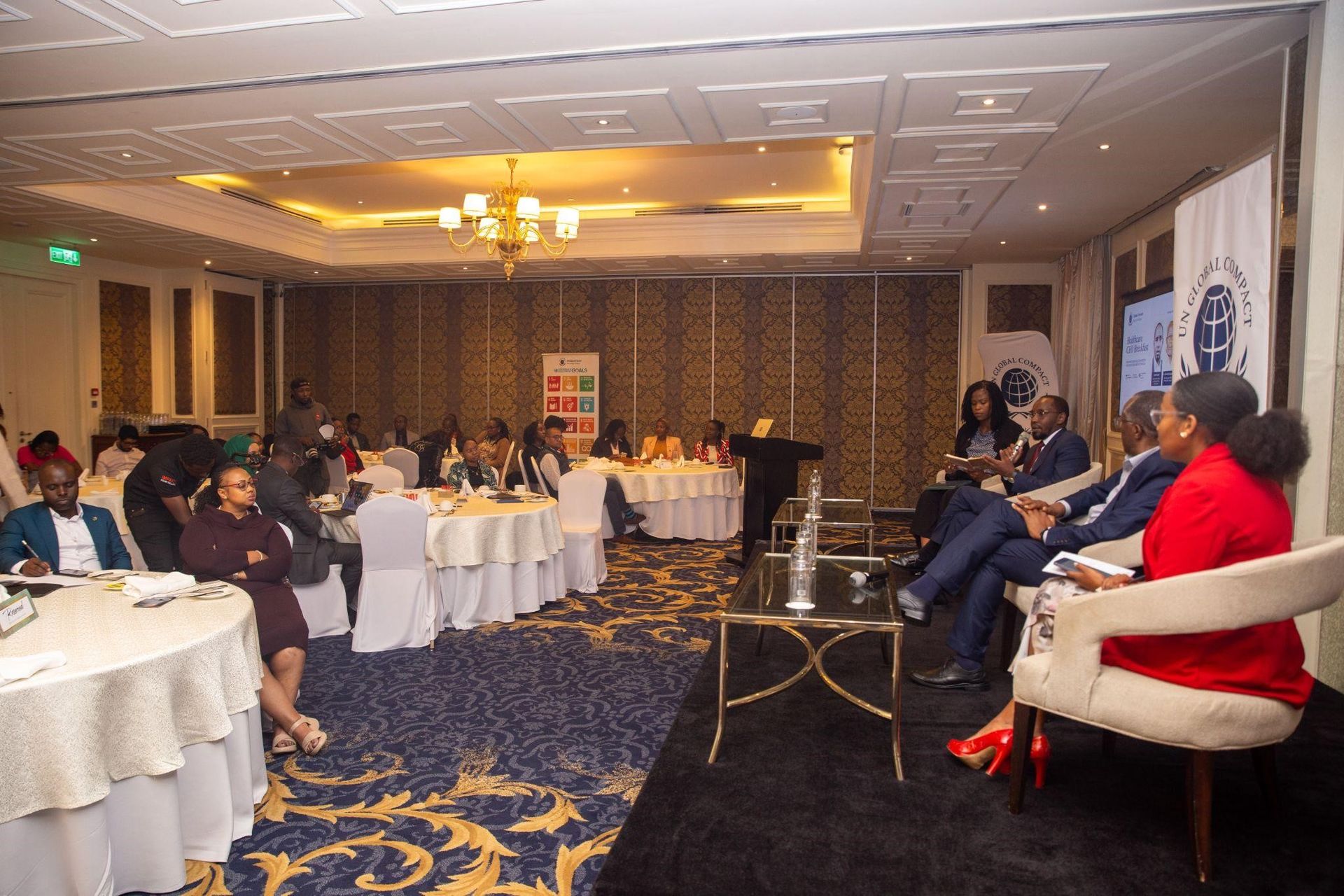
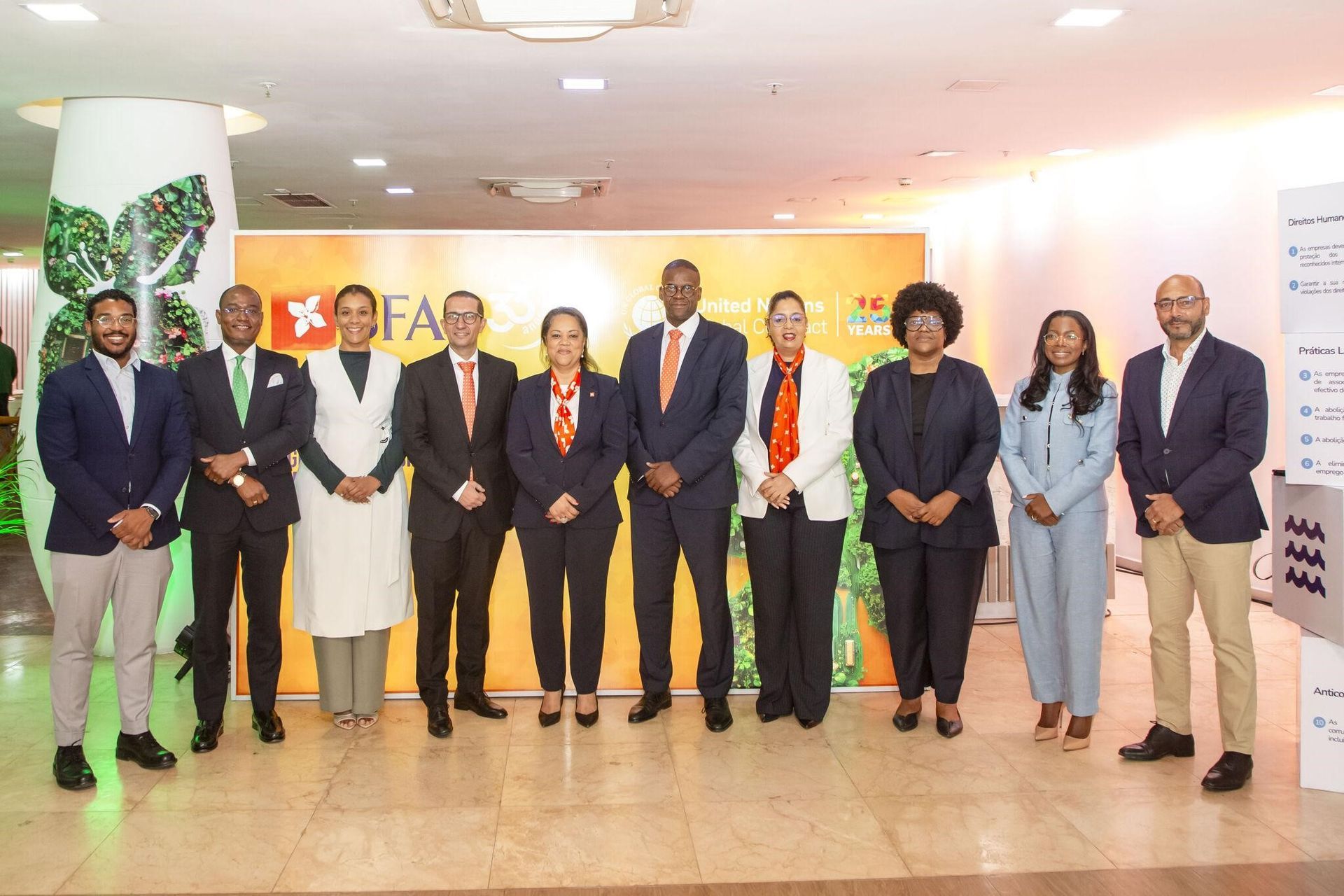
In Angola, a nation actively prioritising economic diversification beyond oil production, this transition is taking root through strategic corporate alignments. On 9 July 2026, the UN Global Compact Network Angola, in partnership with Banco de Fomento Angola (BFA), convened a technical workshop in Luanda to address these challenges directly.
Focusing on the circular economy and electronic waste (e-waste) management, the event brought together more than senior executives, compliance officers, and sustainability leads from the telecommunications, banking, information technology, and waste management sectors. The gathering recontextualised waste not as an operational liability, but as a secondary resource capable of generating new industrial solutions and domestic value.
This practical shift from linear resource consumption to closed-loop systems directly reinforces the Ten Principles of the UN Global Compact, particularly the environmental directives. By establishing structured systems to recapture and recycle electronic components, businesses operationalise a precautionary approach to environmental challenges (Principle 7), actively promote greater ecological responsibility (Principle 8), and encourage the deployment of environmentally friendly technologies (Principle 9). In doing so, participating organisations systematically align their operations with Environmental, Social, and Governance (ESG) criteria, translating high-level commitments into progress toward Sustainable Development Goal 12 (Responsible Consumption and Production) and SDG 13 (Climate Action).
For the newly established Country Network, the workshop serves as a blueprint for driving systemic industry transformation.
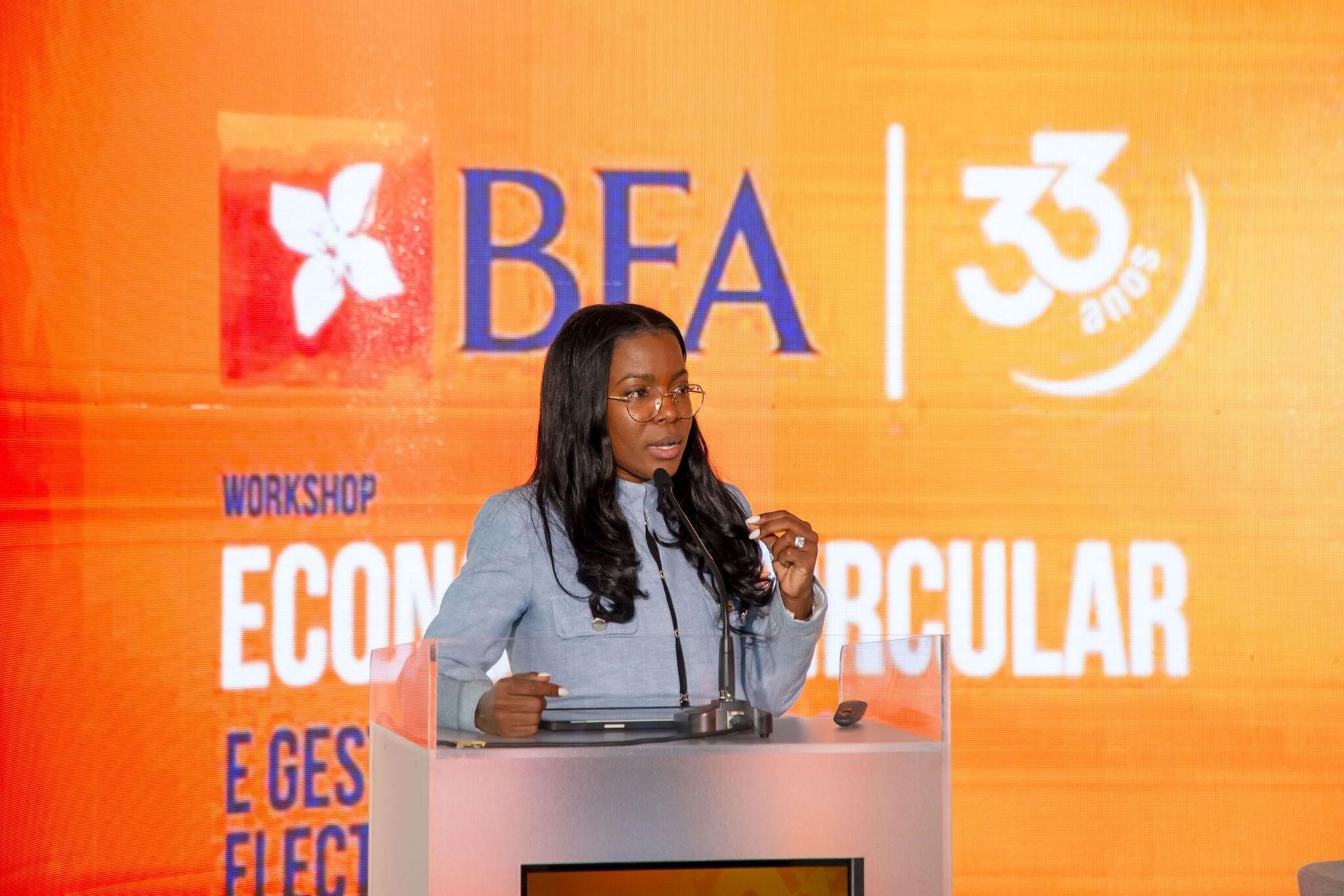
"For our country network, this initiative represents a critical step in turning global sustainability commitments into practical operational realities for the Angolan private sector," says Eliana Pereira dos Santos, Executive Director, Global Compact Network Angola. "Circularity is not merely an environmental ideal; it is a strategic necessity that secures supply chains, fosters green employment, and elevates the competitiveness of our industries. By anchoring these discussions in the Ten Principles, we are empowering Angolan companies to build robust ESG frameworks that view waste as an economic asset."
The financial sector remains an indispensable lever in this transition. Scaling circular business model innovations requires targeted capital and de-risking mechanisms to make waste-to-value projects bankable. Through its partnership with the UN Global Compact, BFA is positioning itself to help bridge this financing gap within the Angolan market.
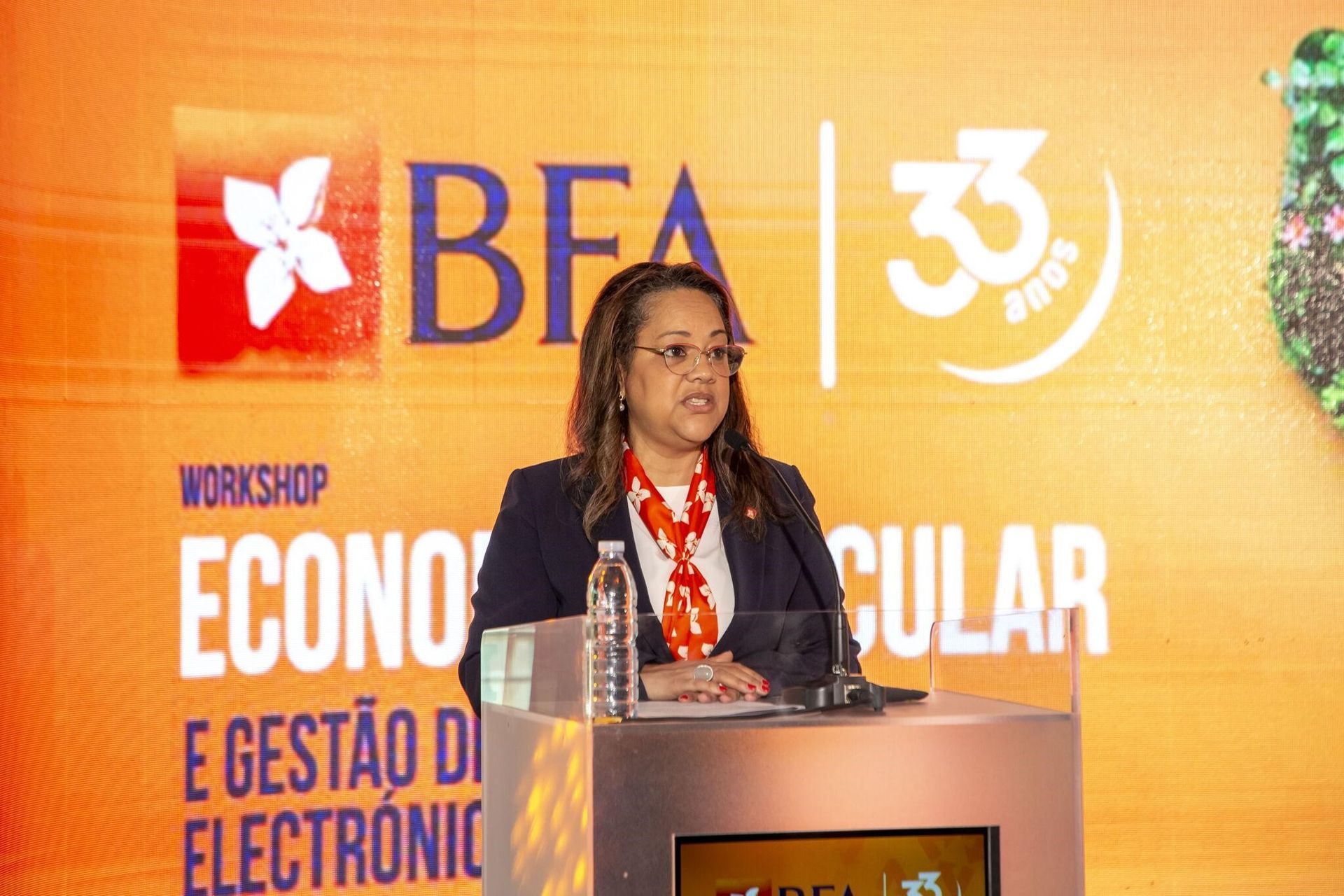
"At BFA, we recognise that sustainable development requires a profound shift in how we allocate capital and evaluate risk," explains Maria do Carmo Bernardo, Board Chair, BFA – Banco de Fomento Angola. We should take the lead on circular economy initiatives that drive resource efficiency and reduce the environmental footprint of e-waste. “It is important to demonstrate that environmental sustainability and financial viability are mutually reinforcing for the future of Angola’s economy.”
As Angolan companies adapt to volatile global markets, partnerships between financial institutions, businesses and development networks are creating a template for sustainable industrial growth that preserves ecological systems and corporate balance sheets and will determine the pace of the green transition.