UN Global Compact Network DRC Encourages Business Executives to Promote Women's Leadership
UN Global Compact Network DRC Encourages Business Executives to Promote Women's Leadership
Gender equality and inclusive leadership are fundamental drivers of corporate resilience, economic growth, and social cohesion across Africa. In the Democratic Republic of the Congo (DRC), bridging workplace gender gaps is increasingly recognised not merely as a moral imperative, but as a core determinant of sustainable market performance. When corporate leaders establish transparent pathways for women to access executive governance and operational leadership, businesses strengthen their talent pipelines, enhance innovation, and build more adaptable institutions capable of navigating complex economic environments.
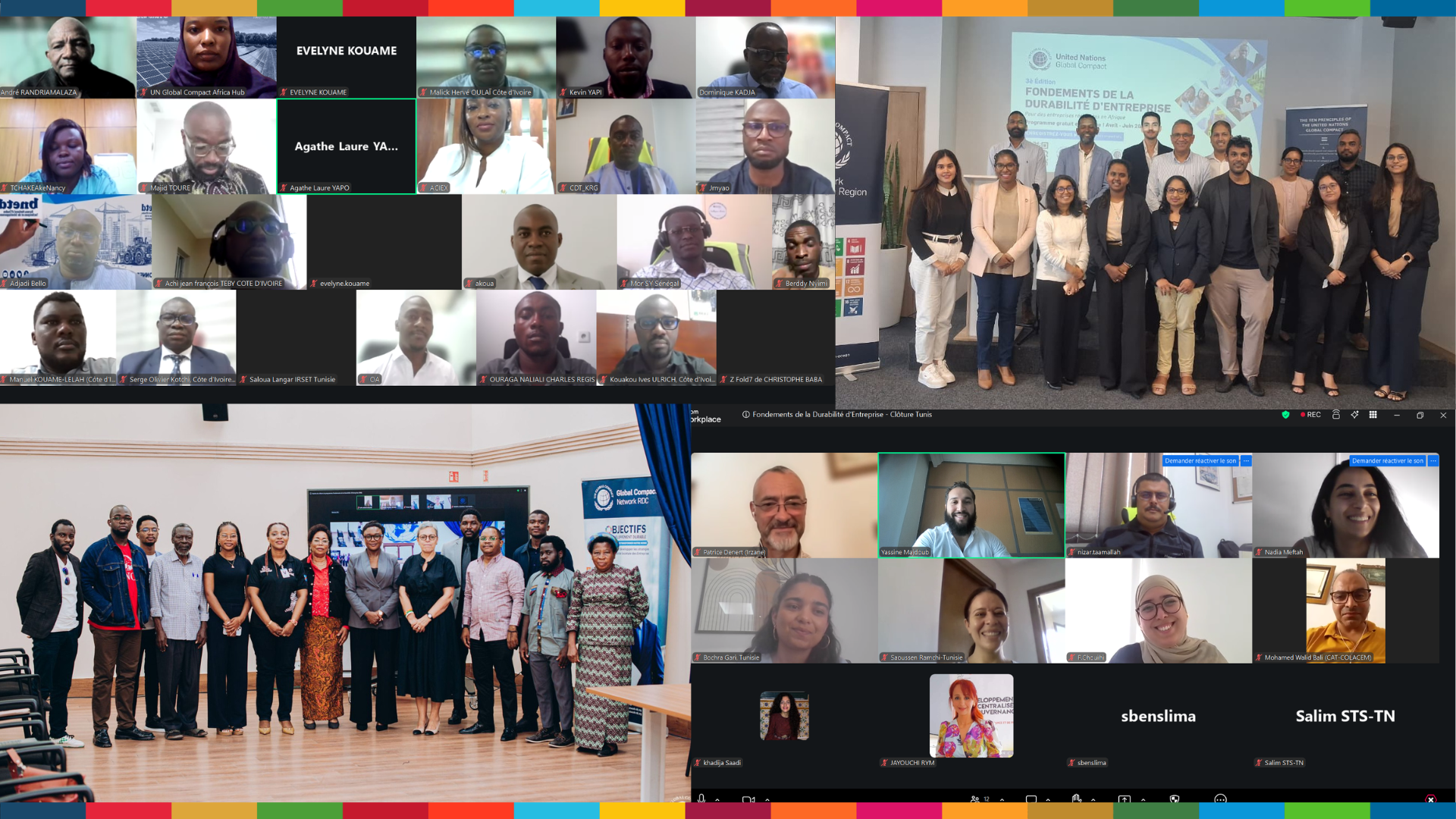
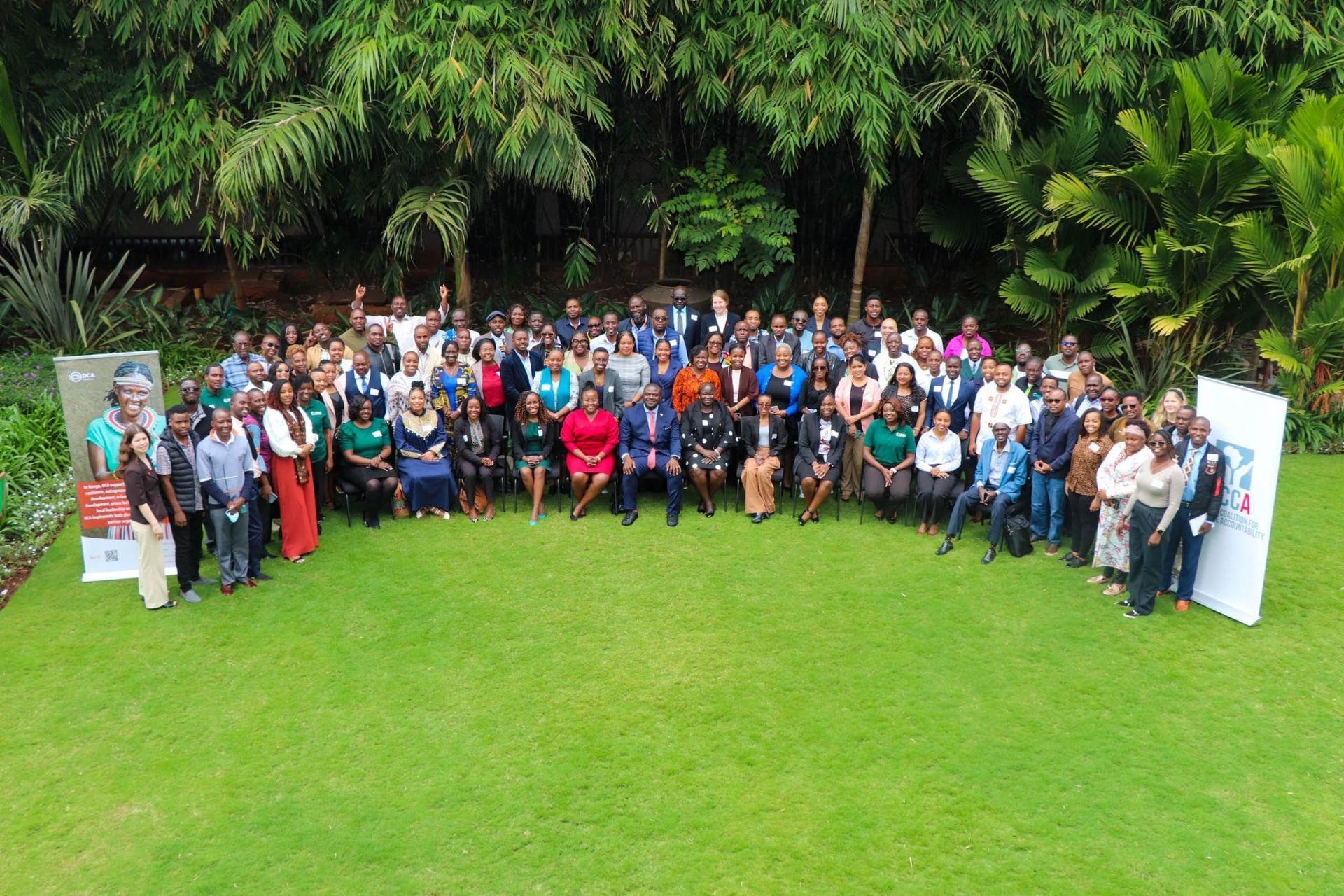
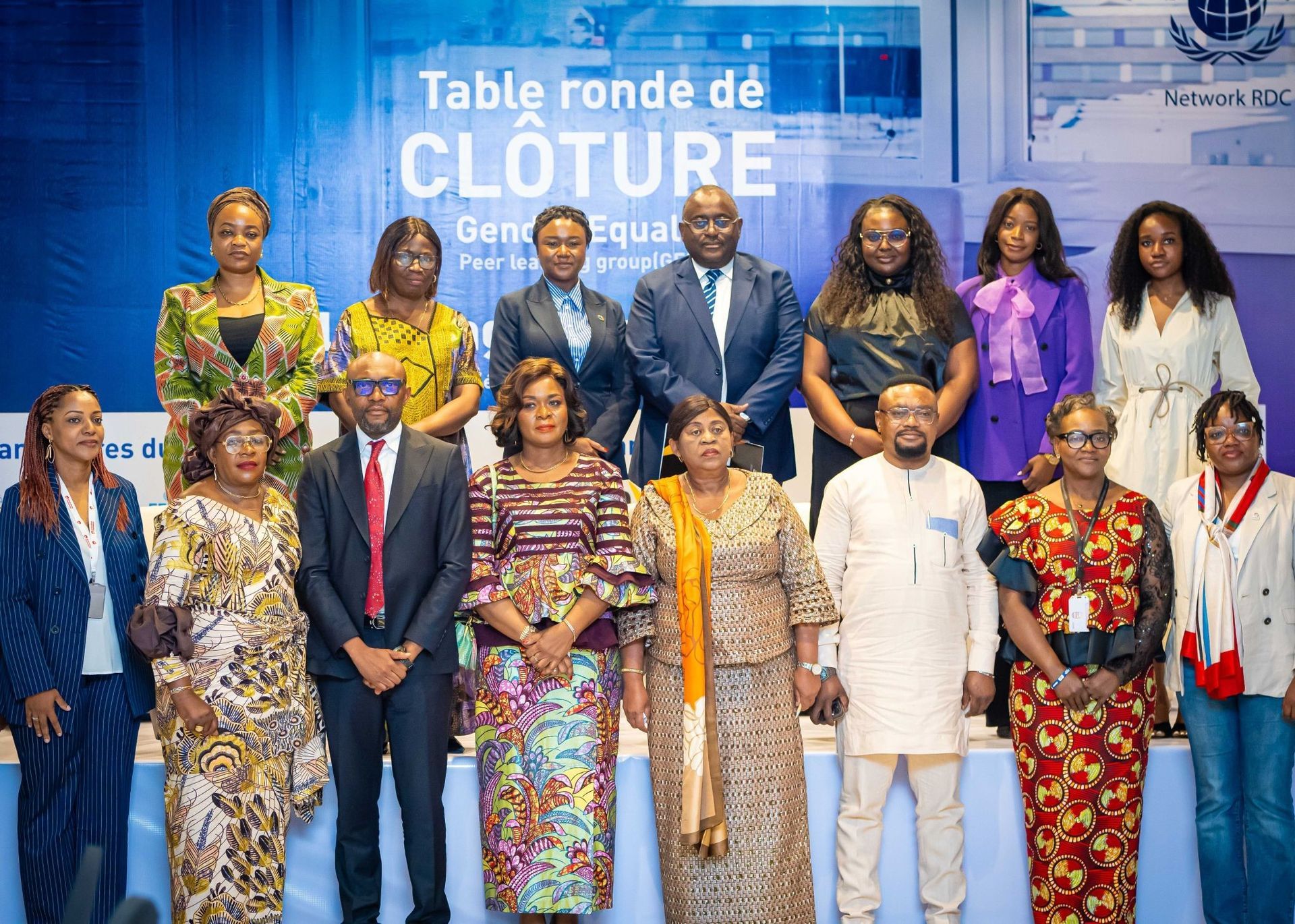
Translating these commitments into institutional practice formed the central focus of a high-level gathering in Kinshasa. On 6 July 2026, the UN Global Compact Network DRC convened the Closing Roundtable of its Gender Equality Peer Learning Group (GEPL) in Kinshasa. Hosted under the theme "From Engagement to Impact: Co-Building the Future of Gender Equality and Women's Leadership in the DRC," the event served as the official Pre-Forum for the upcoming Forum on Women's Impact Leadership in Africa (FFIA).
The roundtable convened approximately 80 participants, including senior executives, sustainability leaders, policymakers, and civil society representatives. Key private sector participants included leadership teams from major financial institutions such as Rawbank and BGFIBank DRC, telecommunications providers including Vodacom Congo and Airtel RDC, healthcare leaders from Centre Médical Diamant, and strategic communications specialists from Horizon Comms. Representatives from government ministries, technical and financial institutions, and the United Nations system also participated, reflecting a growing multi-stakeholder coalition committed to closing local gender gaps.
This collective effort provides a direct operational bridge to global sustainability frameworks, specifically reinforcing the Environmental, Social, and Governance (ESG) agenda. From an ESG perspective, advancing women into decision-making roles directly strengthens the 'Social' pillar through equitable labour practices and workplace inclusion, while enhancing the 'Governance' pillar through diversified board oversight and transparent succession planning. These outcomes align seamlessly with the Ten Principles of the UN Global Compact—most notably Principle 1 and Principle 2 on protecting human rights, and Principle 6 on eliminating discrimination in employment. Furthermore, by framing peer learning around measurable targets, the initiative advances Sustainable Development Goal 5 (Gender Equality), SDG 8 (Decent Work and Economic Growth), and SDG 17 (Partnerships for the Goals).
For the leadership of the country network, closing the gap between policy intent and workplace execution requires sustained, structured collaboration across industries.
"Achieving gender balance across Congolese enterprises demands that we move beyond high-level pledges and focus on accountable, day-to-day implementation," said Jessica Webe, Executive Director, UN Global Compact Network DRC. "Through peer learning platforms, we are helping companies evaluate their internal policies, dismantle systemic barriers to female advancement, and establish clear metrics for progress. Businesses that incorporate women into key decision-making processes not only satisfy compliance requirements but also gain a competitive edge and promote inclusive economic development throughout the Democratic Republic of the Congo."
Throughout the peer learning programme and the closing roundtable, private sector leaders reaffirmed that gender equality is a strategic business priority rather than a standalone social initiative. Discussions highlighted the need to strengthen women's leadership in decision-making, expand access to career development opportunities, embed gender considerations into ESG and corporate governance frameworks, and promote positive masculinity as a catalyst for inclusive workplace cultures.
Ms. Karyn Mbuwa, Head of Career Management Department at Rawbank, showcased the institution's commitment to mentoring and leadership development through initiatives such as She Leads, emphasizing that investing in women's leadership contributes to stronger organizational performance and long-term economic resilience.
Ms. Lisa Nasibu, Stakeholder Engagement, Reputation and Public Policy Manager at Vodacom Congo (RDC) S.A., shared the company's experience in promoting female talent and fostering inclusive workplace policies, underscoring the importance of creating equitable opportunities across technical and leadership functions to support sustainable innovation.
Mr. Georges Lumbayi, Regional Operating Director at Airtel Congo RDC S.A., highlighted the role of the private sector in advancing inclusive leadership and reaffirmed that integrating gender equality into business strategy strengthens corporate performance while contributing to broader societal transformation.
Mr. Francesco De Muso, Chief Executive Officer of BGFI Bank RDC, emphasized that inclusive governance and equal access to leadership opportunities are essential drivers of responsible growth, reinforcing the business case for gender equality as a core component of sustainable development.
The insights and policy recommendations generated during the GEPL Closing Roundtable will directly feed into the broader agenda of the Forum on Women's Impact Leadership in Africa (FFIA). The UN Global Compact Network RDC and its corporate partners continue to demonstrate, through cross-sector partnerships and actionable reporting tools, that inclusive leadership is an indispensable foundation for long-term economic stability and responsible business conduct.