Climate Finance, Trade and Capital: Africa-Caribbean Leaders Set a New Course on the Sidelines of the UN General Assembly
Climate Finance, Trade and Capital: Africa-Caribbean Leaders Set a New Course on the Sidelines of the UN General Assembly
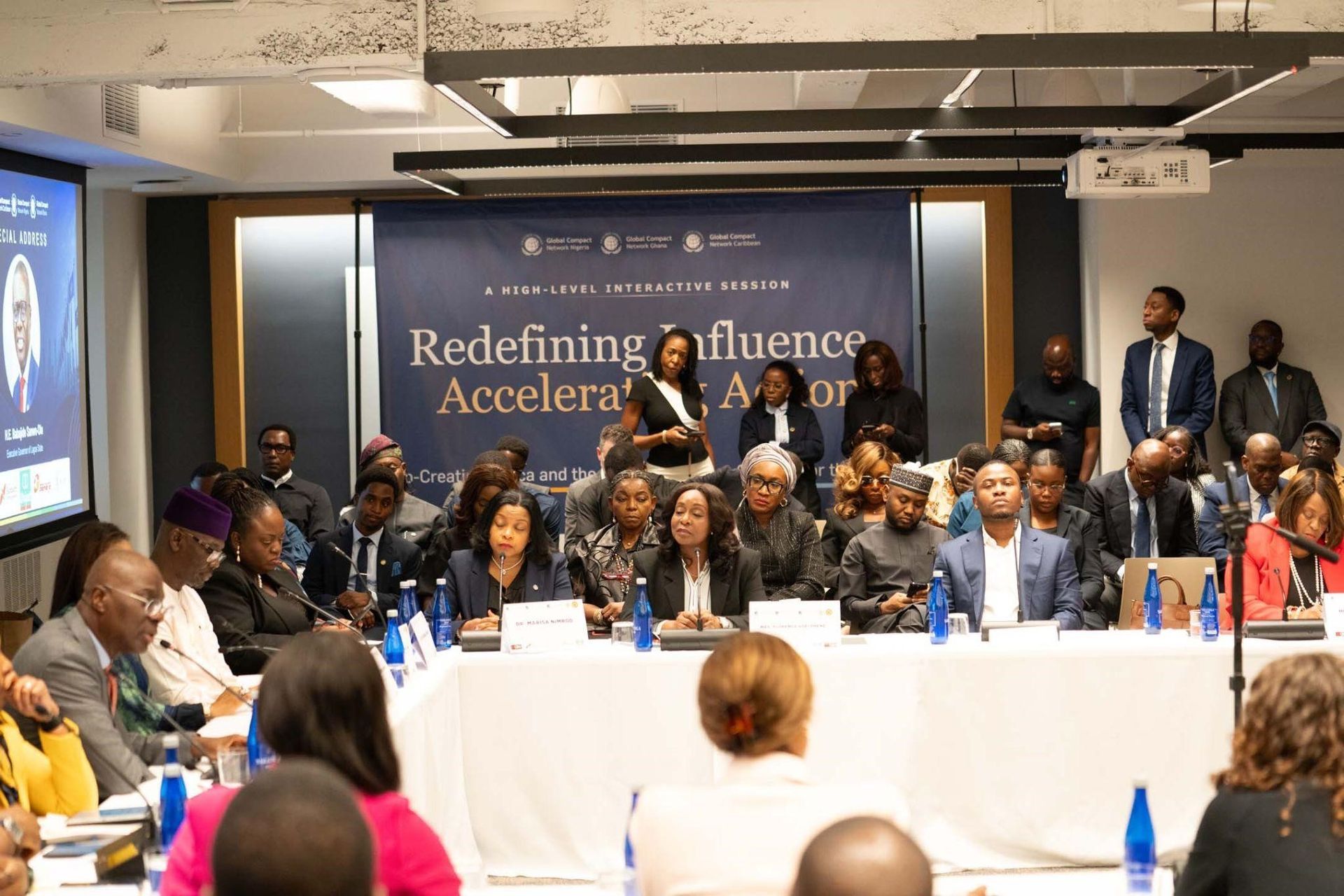
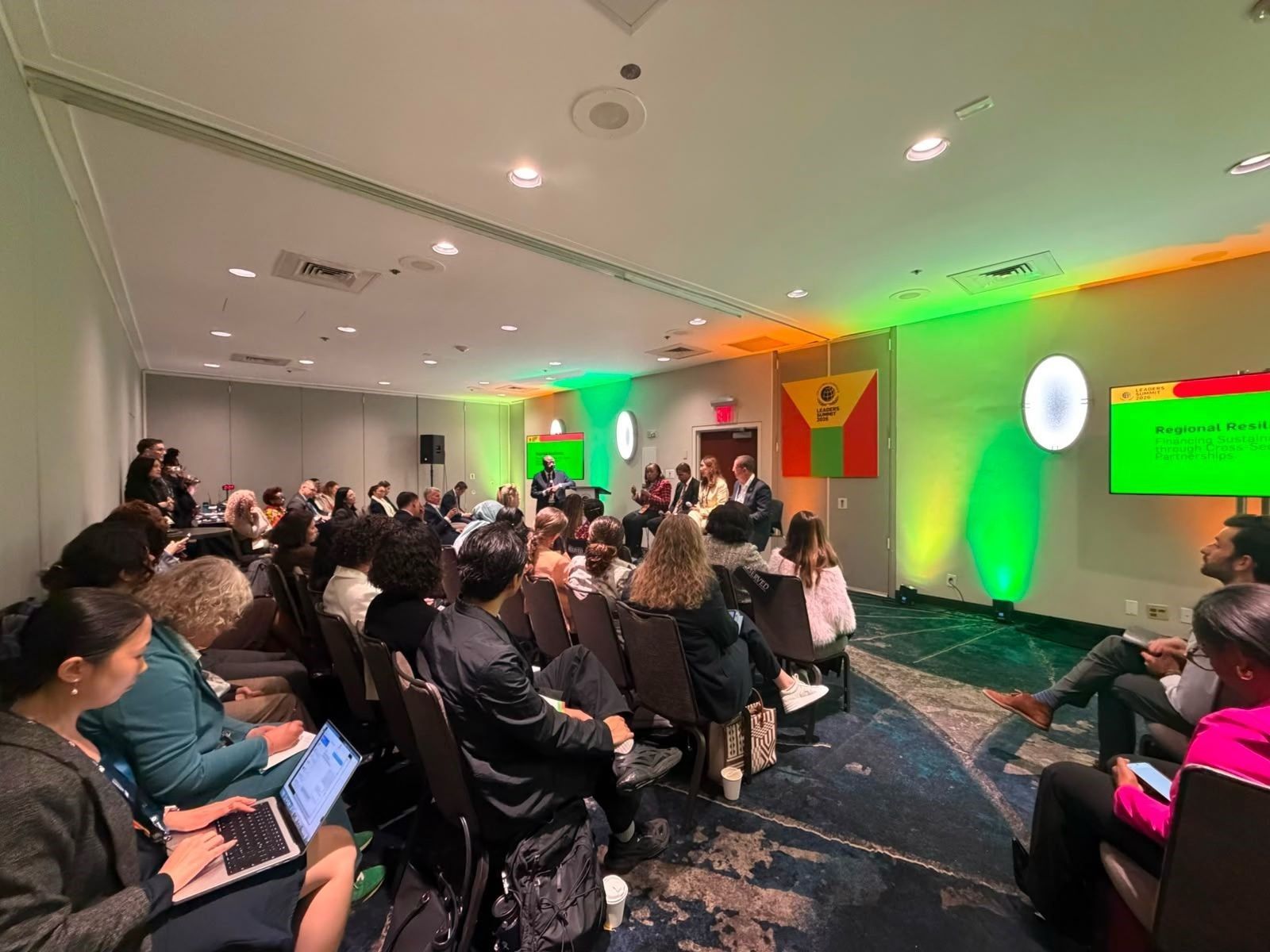
On 22 September 2026, on the sidelines of the 81st United Nations General Assembly (UNGA81) in New York, the UN Global Compact Networks of Nigeria, Ghana, and the Caribbean co-convened a high-level dialogue titled "Redefining Influence, Accelerating Action: Co-Creating Africa and the Caribbean’s Next Chapter for the SDGs." Held with the Lagos State Government as lead partner, the forum brought together over 70 senior executives, sovereign leaders, development financiers, and sustainability experts. The gathering marked a deliberate shift from celebrating historical transatlantic affinities toward establishing concrete pipelines for trade, climate finance, and cross-regional investment.
The interactive session bridges regional boundaries to operationalise corporate Environmental, Social, and Governance (ESG) criteria alongside the Ten Principles of the UN Global Compact. Unlocking capital for climate-resilient infrastructure directly reinforces Principle 7 and Principle 8 on environmental stewardship, alongside Principle 1 on supporting fundamental human rights through social protection. Furthermore, by exploring blended-finance mechanisms and de-risking trade corridors between West Africa and the West Indies, the dialogue advances Sustainable Development Goal 17 (Partnerships for the Goals), SDG 13 (Climate Action), SDG 9 (Industry, Innovation, and Infrastructure), and SDG 8 (Decent Work and Economic Growth).
The forum was structured around three focused exchanges. A dedicated session titled Insuring Our Coastlines addressed financial and operational mechanisms to protect vulnerable coastal cities, maritime infrastructure, and local economies against climate risks. A subsequent Catalysts of Change panel explored cross-border health cooperation—specifically oncology and haematology capabilities—alongside practical pathways for climate finance. Finally, a high-level roundtable examined methods to modernise risk assessments and encourage institutional investment across both regions.
This roundtable convened a broad cross-section of public and private sector leadership, featuring H.E. Babajide Olusola Sanwo-Olu, Executive Governor of Lagos State, and H.E. Engr. Audu A. Sule, Executive Governor of Nasarawa State, alongside Dr Jumoke Oduwole, Nigeria's Minister of Industry, Trade and Investment, and Hon. Tokunbo Wahab, Lagos State Commissioner for Environment and Water Resources. They were joined by international finance leaders, including Reta Jo Lewis, Esq., former President and Chair of the Export-Import Bank of the United States; Dr Fatima Elsheikh of the Arab Bank for Economic Development in Africa (BADEA); Kanayo Awani, Vice President of Afreximbank; Biola Alabi, Investment Partner at Delta40; and Shinelle Grant-Sealey, Vice President for ESG at Guardian Group.
Leadership from the three convening Country Networks framed the discussions around actionable, cross-regional collaboration:
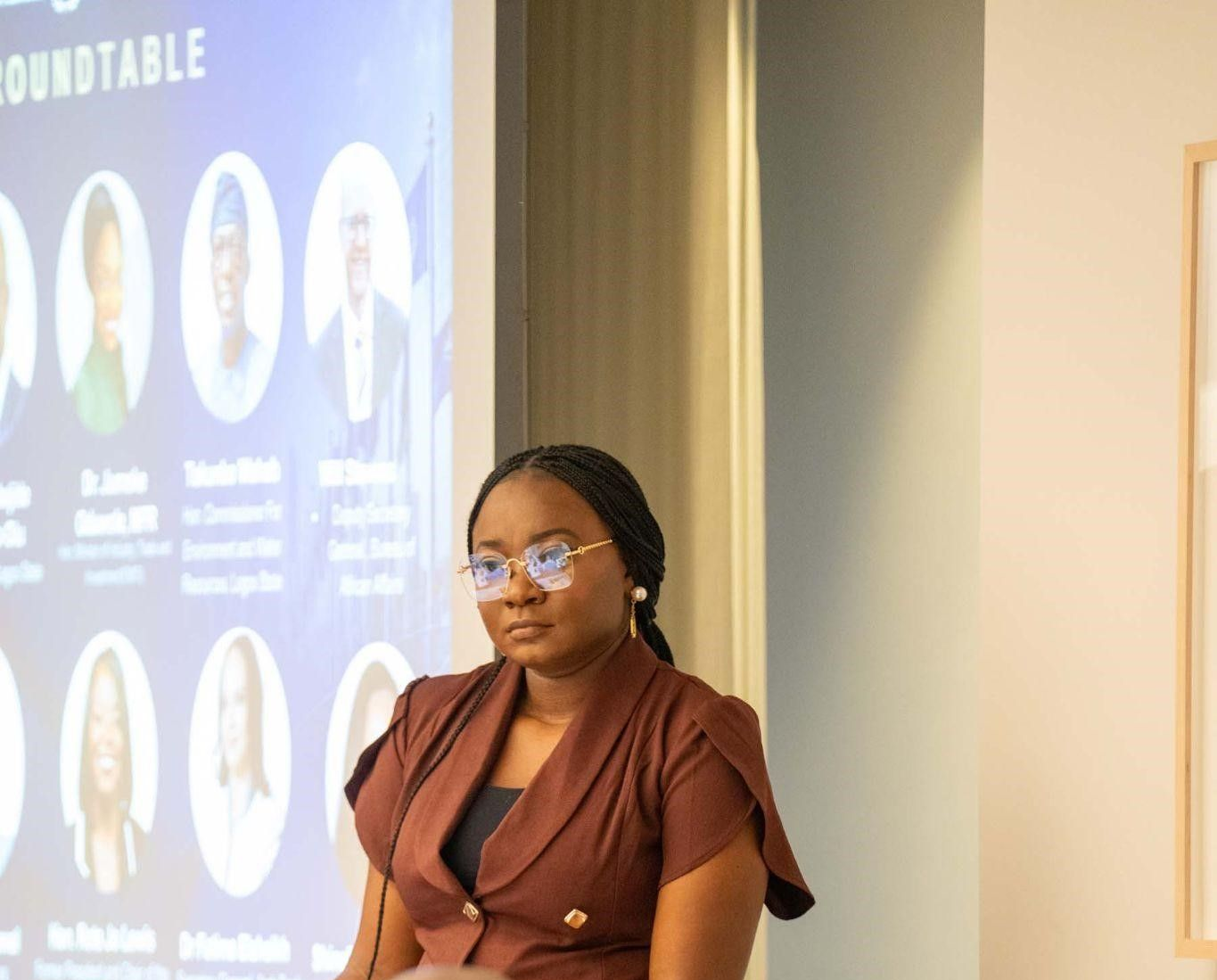
"The opportunities are practical and within reach: developing joint agricultural value chains that move us from exporting raw commodities to producing finished goods; connecting our technology, creative economy, and digital ecosystems; mobilising blended finance for sustainable infrastructure; and enabling businesses across both regions to trade, invest, and innovate together," said Naomi E. Nwokolo, Chief Executive Officer and Executive Director of UN Global Compact Network Nigeria. "Our shared future must be defined not only by what connects us, but by what we choose to build together."
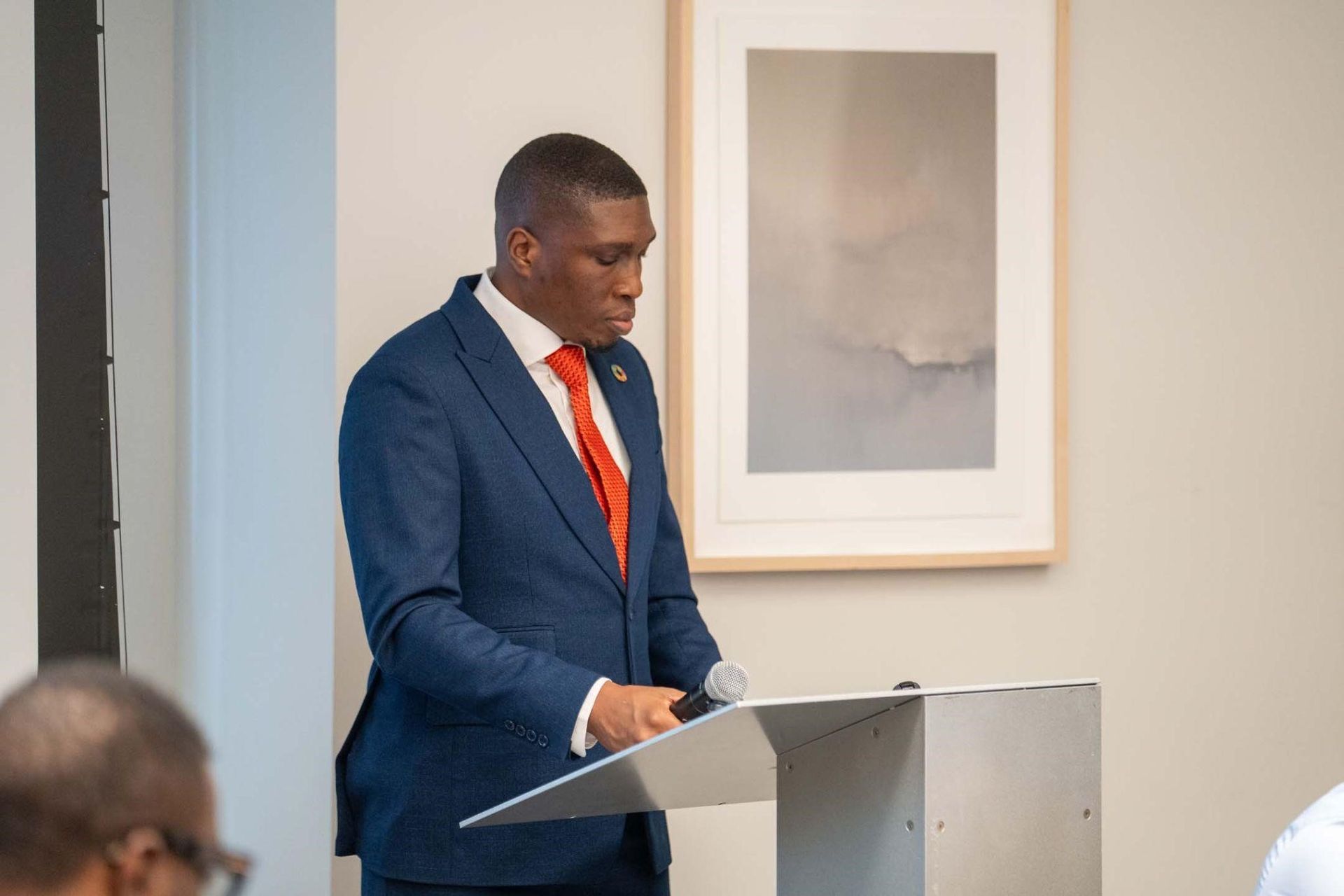
"Connecting Ghanaian enterprises with international counterparts across the Atlantic allows us to scale local solutions into global markets," noted Tolu Lacroix, Executive Director of UN Global Compact Network Ghana. "Our focus remains on helping businesses translate responsible corporate governance into tangible commercial partnerships. Building sustainable supply chains between West Africa and the Caribbean creates mutual economic resilience and proves the
commercial value of the Ten Principles."
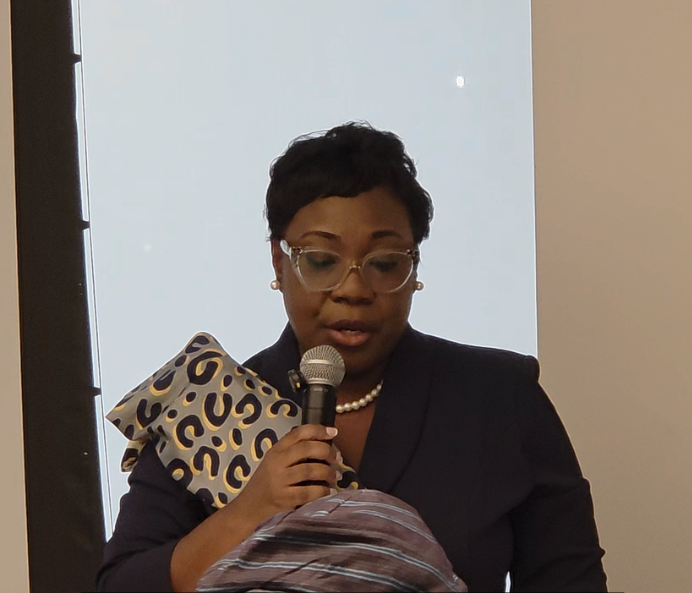
"Africa and the Caribbean are separated by geography, but connected by history, culture, and people," added Kyana Bowen, Executive Director of UN Global Compact Network Caribbean. "We recognise that while governments have an important role to play, the private sector is equally important. Through the UN Global Compact, we are challenging businesses to move beyond commitment and demonstrate how responsible business practices contribute to sustainable growth."
Government leaders underscored the necessity of aligning public policy with private capital to unlock commercial pathways, highlighting the vital role of sub-national administrations in implementing global commitments. Addressing the roundtable, H.E. Babajide Olusola Sanwo-Olu, Executive Governor of Lagos State, stated:
"As public sector leaders, we are willing to write the cheques and commit the co-funding required on our end so that we are not relying solely on private capital. Our commitment as public sector leaders is to create a secure environment where businesses can thrive, capital can flow predictably, and risks can be mitigated effectively."
Private sector leaders and banking executives echoed the call for structured financing frameworks, pointing to early-stage project preparation and capital allocation as essential to scaling sustainable development:
"We all recognise the presence of trapped institutional funds, but all investors seek platforms that allow them to participate in projects made bankable through thorough early-stage preparation," remarked Anne Aliker, Head of Africa Regions for Corporate and Investment Banking at Standard Bank Group. "The potential trade between Africa and the Caribbean is estimated at approximately USD 1.8 billion—more than double our current bilateral trade volume. That is the most practical starting point, as it provides a commercial foundation for collaboration between our two regions, allowing us to move beyond shared history toward tangible economic activity."
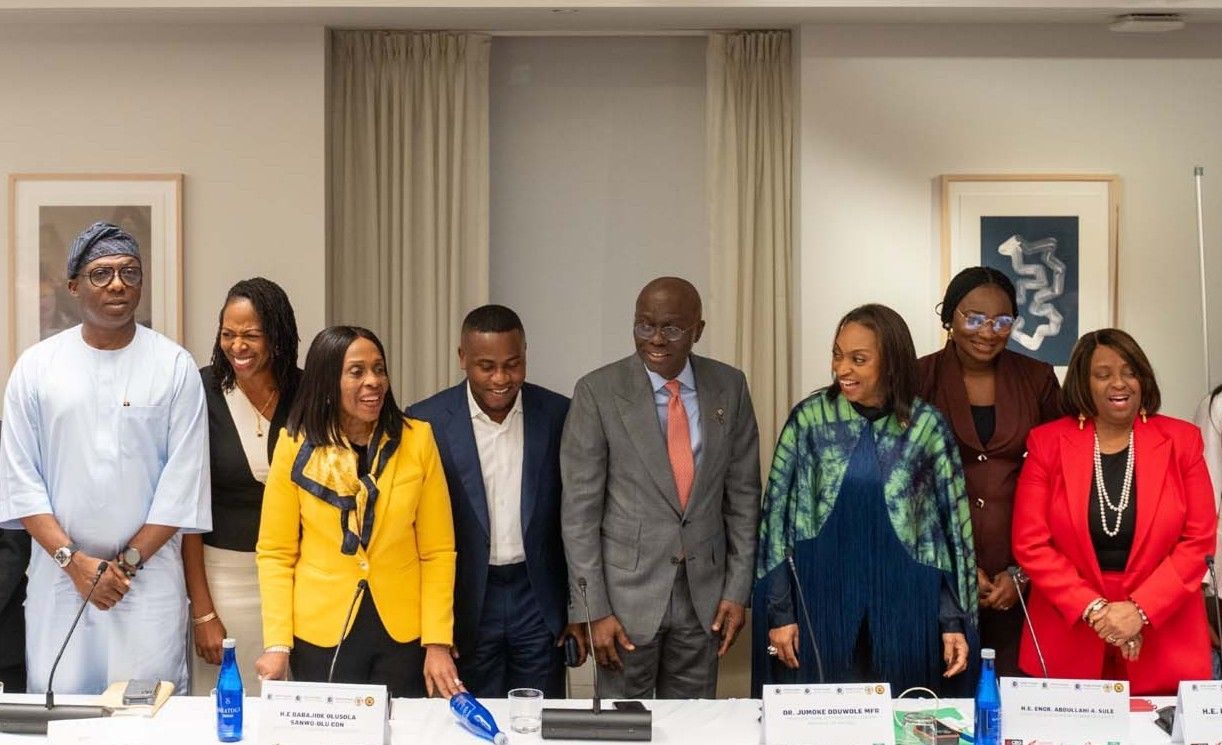
The New York dialogue establishes a practical framework for ongoing transatlantic cooperation. In the months ahead, the Country Networks in Nigeria, Ghana, and the Caribbean will work alongside sub-national partners, financial institutions, and enterprise leaders to evaluate candidate projects, refine risk assessment models, and explore bankable infrastructure pipelines capable of advancing sustainable growth across both regions.