Responsible Leadership and Sustainability in Kenya’s Healthcare Sector
Responsible Leadership and Sustainability in Kenya’s Healthcare Sector
Healthcare sustainability is ultimately about ensuring that organisations can continue delivering quality, accessible and dignified care—today and into the future.
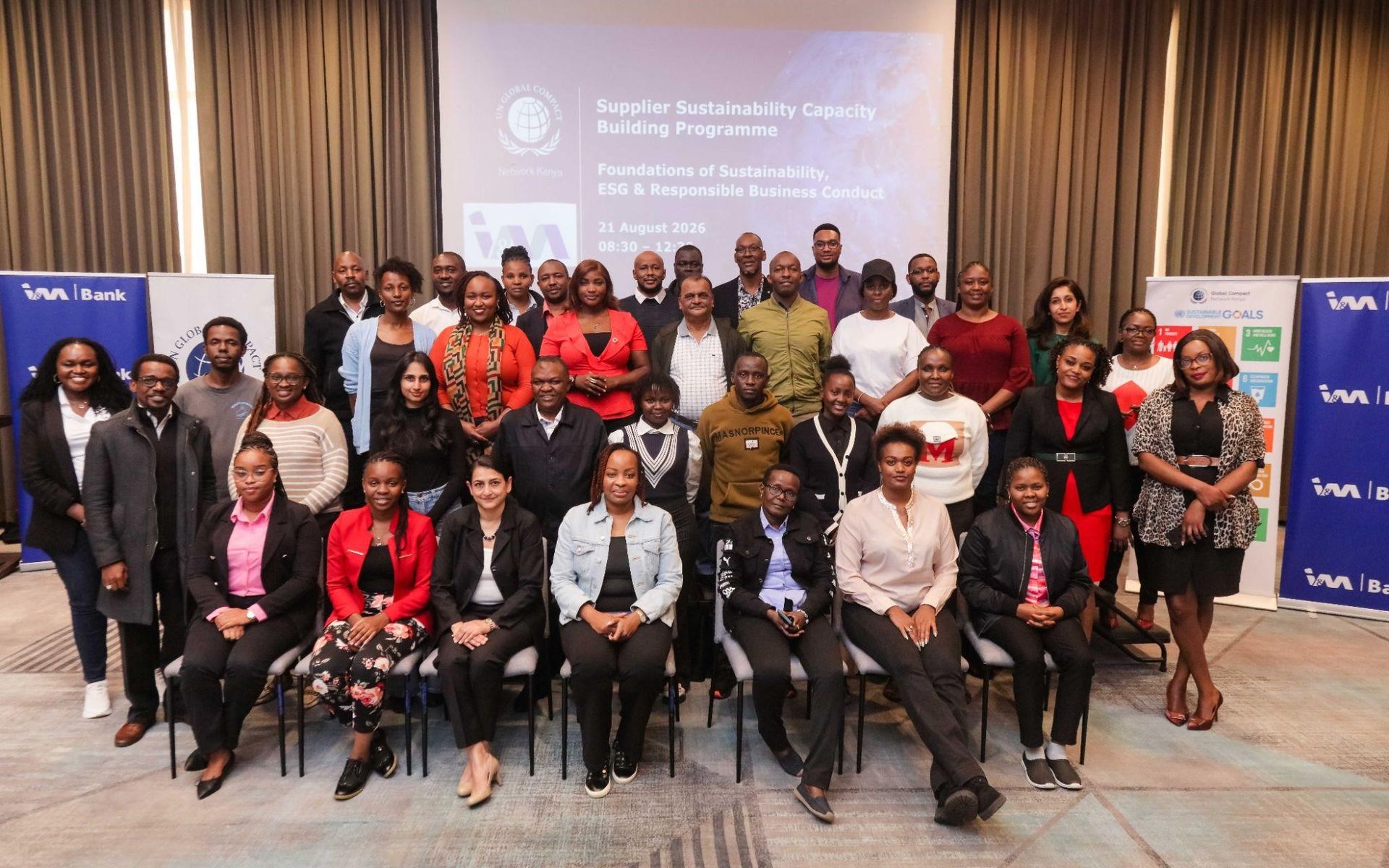
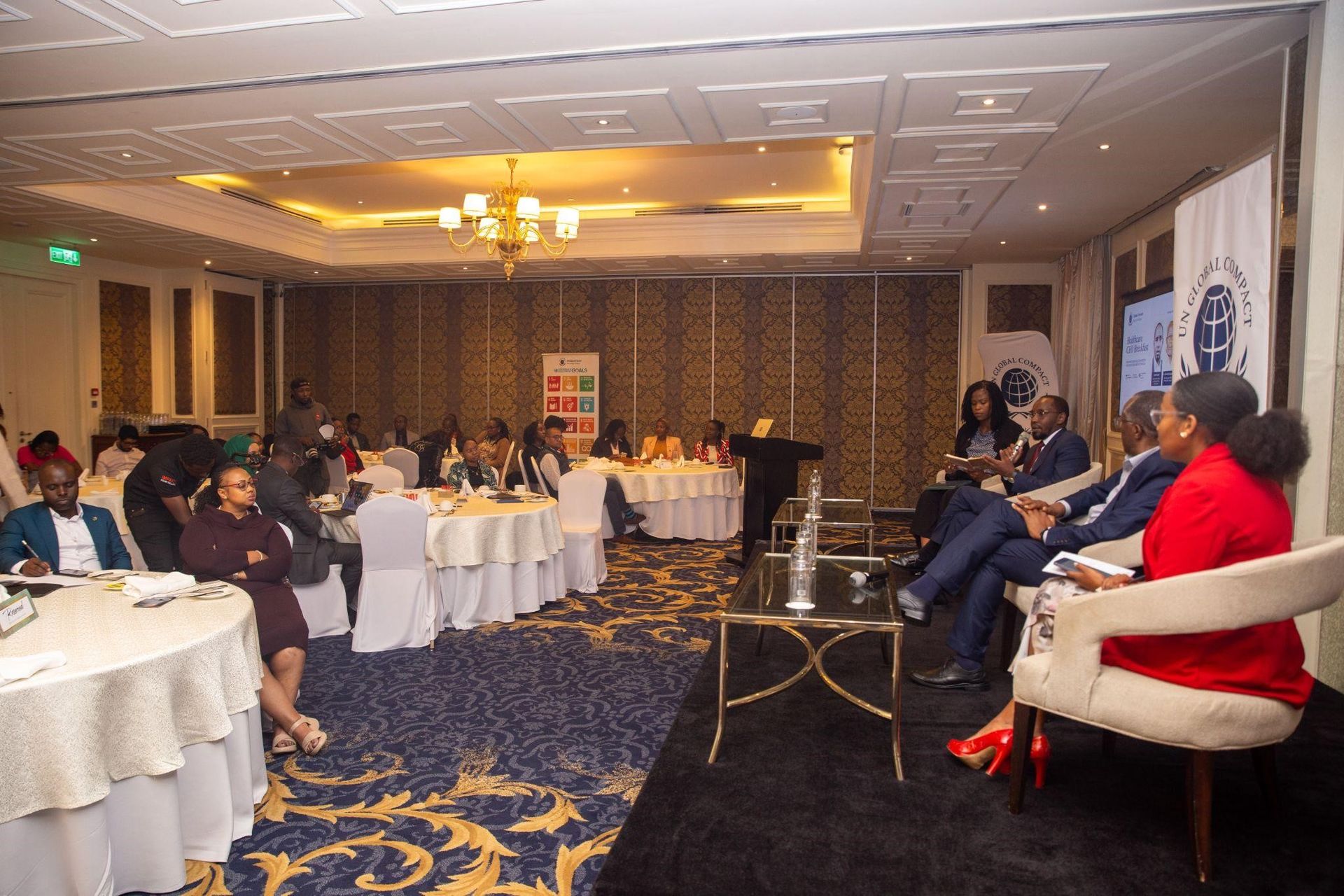
This was the focus of the Healthcare Sector Sustainability Leadership Breakfast, convened on 9 September 2026 by Global Compact Network Kenya in partnership with MP Shah Hospital and AAR Insurance under the theme, “Responsible Business and Sustainability: The Future of Healthcare in Kenya.”
The event brought together healthcare leaders to examine how responsible business practices can strengthen the resilience of Kenya’s healthcare ecosystem.
Delivering the keynote address, Judy Njino, Executive Director of Global Compact Network Kenya, highlighted the interdependence of the sector. Hospitals, insurers, suppliers, healthcare workers and communities are connected through decisions that ultimately affect access, quality and patient outcomes. With healthcare currently underrepresented among the United Nations Global Compact participants in Kenya, there is an opportunity for greater sector engagement and collective action.
Embedding sustainability in business decisions
For healthcare organisations, sustainability must extend beyond financial performance. It is reflected in how institutions support their workforce, maintain patient safety, manage supply chains and build trust with the communities they serve.
Toseef Din, CEO of M.P. Shah Hospital and a Board Member of Global Compact Network Kenya, described sustainability as the ability to “keep caring tomorrow without losing dignity, trust, or quality today.”
This requires leaders to consider the longer-term social and operational implications of business decisions—from workforce wellbeing and ethical procurement to the affordability and continuity of care.
Advancing access through collaboration
A panel featuring Justine Kosgei, CEO and Principal Officer of AAR Insurance; Dr. Gakombe K.K., Chief Executive of Metropolitan Hospital Nairobi; and Fatuma Said, Regional Business Development Manager at Amref Health Africa, explored how responsible business can translate into greater access and stronger health systems.
The discussion highlighted the importance of developing solutions around the needs and realities of underserved populations. According to Justine, products developed to reach underserved groups, including lower-income customers and older populations, now contribute close to 30% of AAR’s revenue.
Strengthening primary healthcare, investing in prevention and community health workers, and engaging communities in defining priorities are therefore important components of sustainable healthcare.
From dialogue to collective action
The breakfast reinforced the value of collaboration across the healthcare ecosystem. No single institution can address the sector’s sustainability challenges alone.
Through the Ten Principles of the UN Global Compact, learning platforms, tools and accelerator programmes, organisations have opportunities to strengthen their sustainability capabilities, exchange experience and integrate responsible business practices into their operations.
For Kenya’s healthcare sector, the opportunity is to translate dialogue into sustained action—strengthening institutions, supporting people and building partnerships that deliver long-term value.
A sustainable healthcare sector is essential not only to health outcomes, but also to resilient communities, productive economies and inclusive growth. Responsible leadership can help ensure that the sector remains equipped to meet the needs of the people it serves, today and for generations to come.