Regional Leaders Advance Accountable Supply Chains at the 2nd East and Horn of Africa BHR Dialogue
Regional Leaders Advance Accountable Supply Chains at the 2nd East and Horn of Africa BHR Dialogue
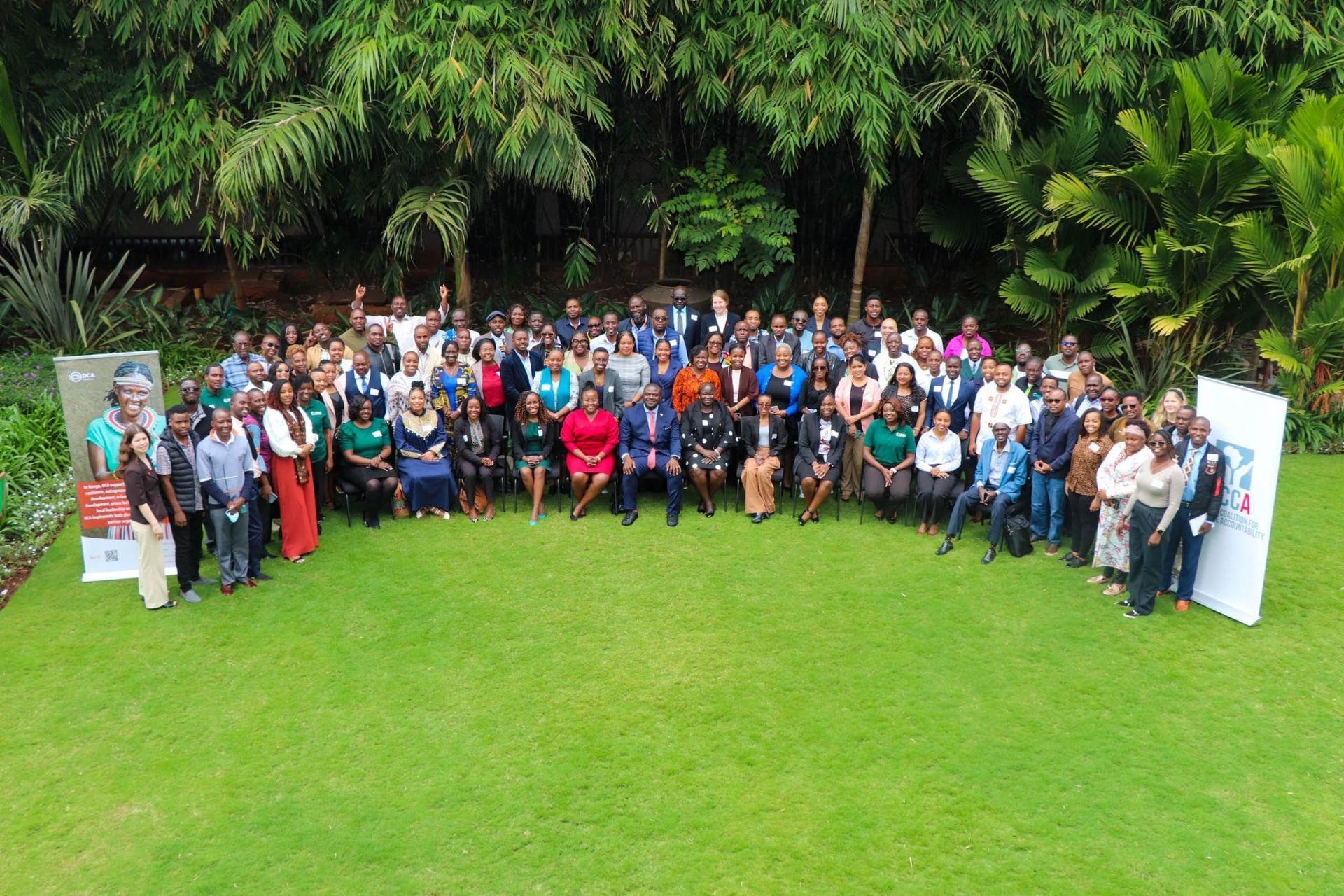
Africa has structural opportunities to lead the global evolution of Business and Human Rights (BHR) frameworks. The continent's vast natural resources, strategic regional reforms, and expanding commercial corridors position local markets as central players in international supply chains. To fully unlock the transformative potential of the African Continental Free Trade Area (AfCFTA), regional economic growth must be anchored in sustainable development and responsible corporate conduct. On 10 and 11 June, 2026, Nairobi became the focal point for this paradigm shift as the 2nd East and Horn of Africa Business and Human Rights Dialogue convened to move the regional corporate agenda from basic commitments to concrete implementation.
Co-convened by Folkekirkens Nødhjælp (DanChurchAid), Global Compact Network Kenya, UNDP, the United Nations Human Rights Office, and the Delegation of the European Union to Kenya, the two-day hybrid dialogue drew more than 120 regional participants. The audience brought together senior sustainability executives and operations managers from leading agribusinesses, infrastructure firms, and manufacturing companies, alongside national human rights institutions, trade unions, and legal experts from across East Africa. Operating under the theme "Beyond Compliance: Strengthening Accountable and Rights-Centered Supply Chains in East & Horn of Africa", the forum addressed how rapidly growing investments can better align with international human rights standards.
This deliberate focus on building accountable supply chains creates a direct operational bridge to the core tenets of Business and Human Rights and the UN Global Compact Ten Principles. When companies systematically identify and mitigate human rights risks within their value chains, they directly uphold Principle 1, which requires businesses to support and respect the protection of internationally proclaimed human rights, and Principle 2, which demands they ensure they are not complicit in human rights abuses. Furthermore, robust corporate due diligence practices advance Sustainable Development Goal 8 for Decent Work and Economic Growth, Goal 5 for Gender Equality, and Goal 17 for Partnerships. This alignment demonstrates that Environmental, Social, and Governance (ESG) priorities are no longer compliance burdens but are essential instruments for market resilience, commercial risk mitigation, and cross-border trade stability.
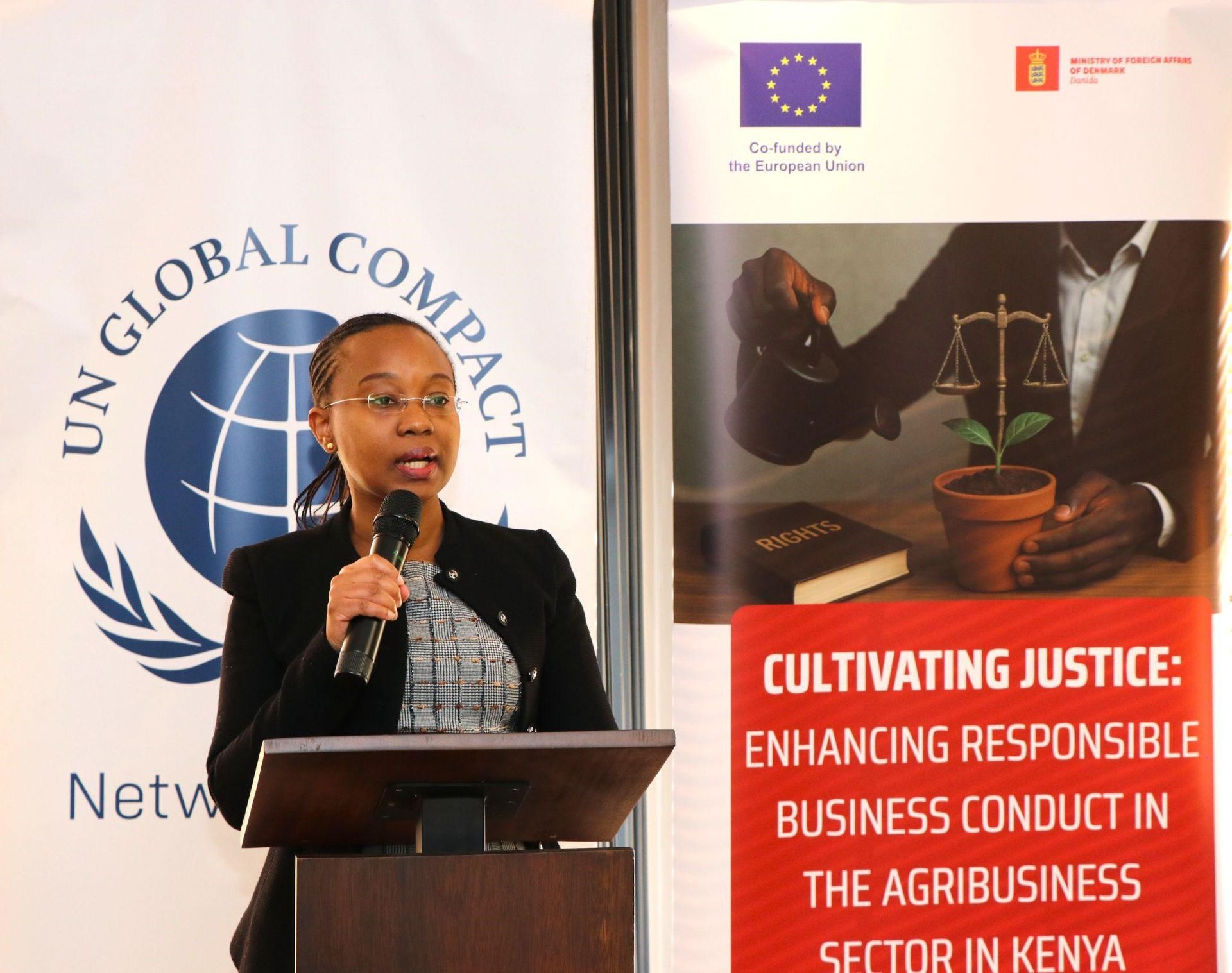
During the opening remarks, Judy Njino, Executive Director, Global Compact Network Kenya, underscored that responsible business conduct is fundamentally shifting the regional market dynamics. She noted that implementing rights-centered frameworks is now a core question of competitiveness, long-term resilience, and global market access for East African enterprises.
“In other words, responsible business conduct is not only about protecting value: it is about creating value," she added.
The evolving regulatory landscape requires companies to move past traditional, voluntary corporate social responsibility (CSR) and embrace legally sound accountability mechanisms. Delivering the keynote address, Professor Damilola S. Olawuyi, Chair of the UN Working Group on Business and Human Rights, urged regional enterprises to move “beyond compliance" and build transparent supply chains that facilitate a just transition.
Panel discussions focused heavily on converting high-level policy into daily business operations, specifically within land-based sectors like agriculture and infrastructure. Industry leaders shared practical case studies on how businesses are actively managing human rights risks within their local networks. Nushin Ghassmi Gilani of IPS Frigoken and Joyce Mageto of Eastern Produce Kenya Limited provided concrete examples of how their organizations integrate responsible sourcing, safeguard worker welfare, and implement gender-based violence prevention programs directly into their production value chains.
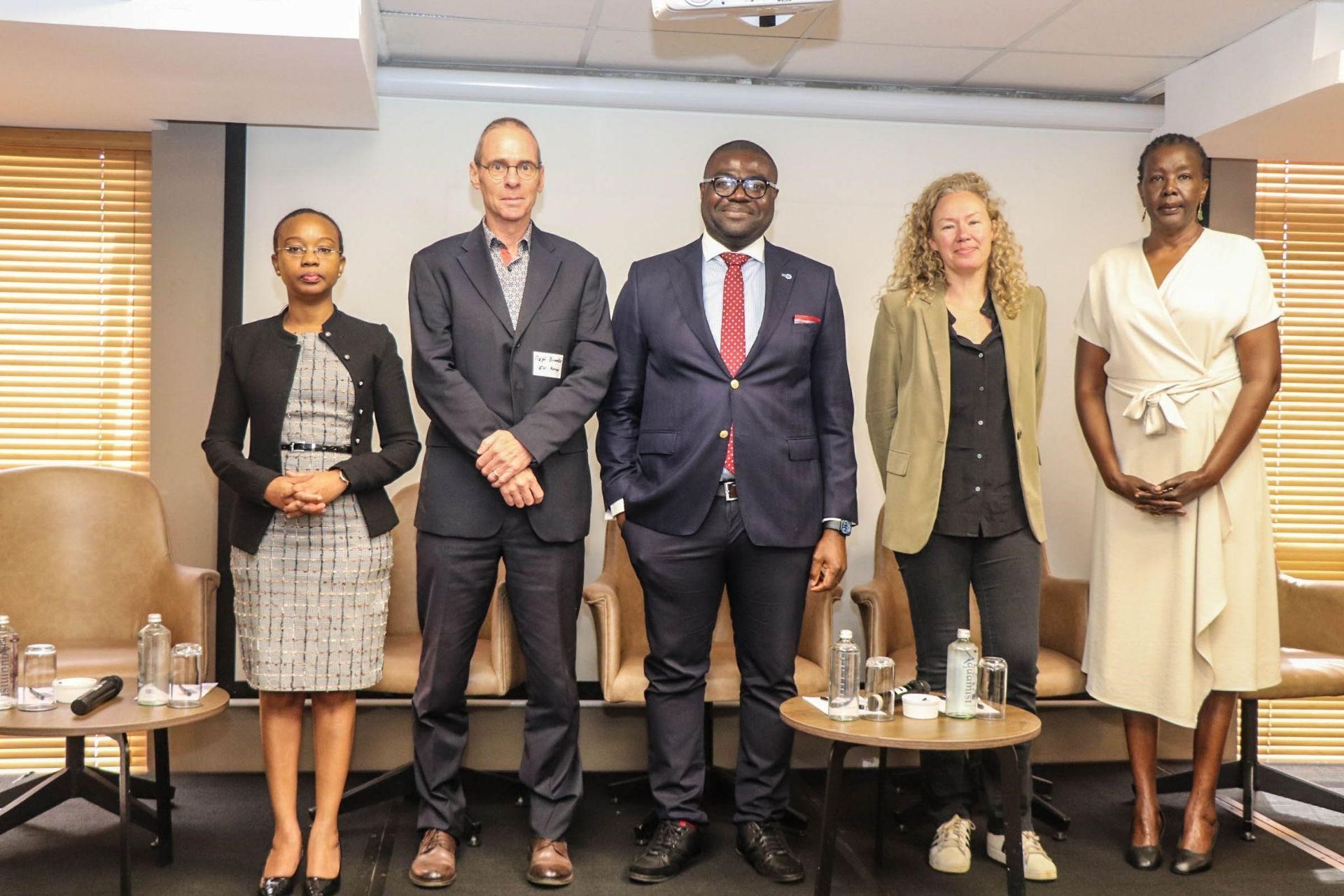
The dialogue concluded with a strong emphasis on institutional alignment and the localization of global standards. Experts highlighted the importance of using instruments like National Action Plans to guide country-specific priorities and support small and medium enterprises in meeting rising international due diligence demands. The insights and consensus built during this Nairobi forum will directly inform the upcoming 5th African Business and Human Rights Forum, taking place in Dakar, Senegal, from 29 September to 1 October 2026. As a continent-wide platform, the Dakar forum will serve as a critical space to integrate outcomes from various sub-regional dialogues, synthesizing regional priorities into a unified African agenda for responsible business conduct and environmental justice.