Cinematic Advocacy: How the UN Global Compact Network DRC Uses Media to Spark Corporate Environmental Action
Cinematic Advocacy: How the UN Global Compact Network DRC Uses Media to Spark Corporate Environmental Action
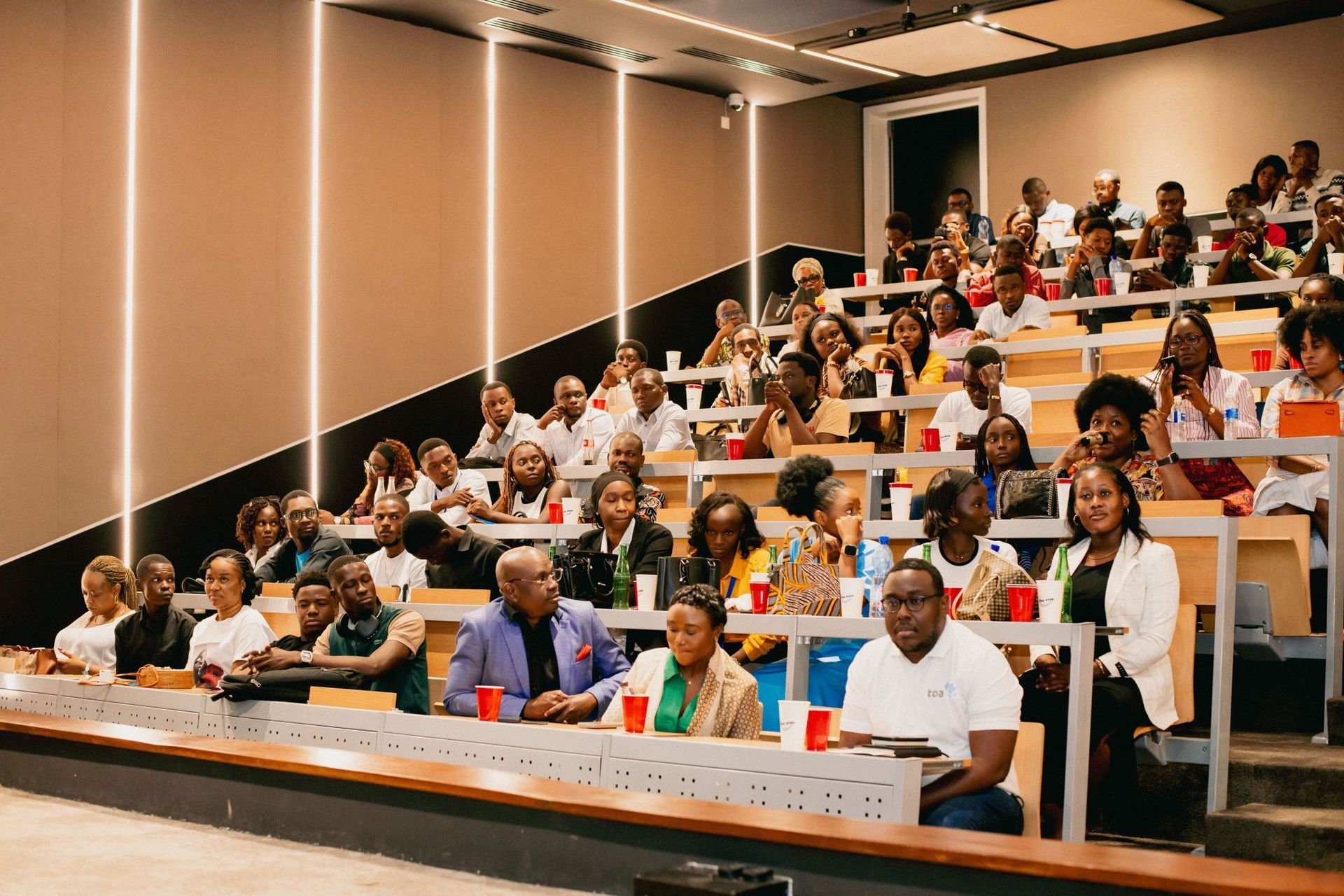
On June 5, to mark World Environment Day 2026, the UN Global Compact Network Democratic Republic of the Congo (DRC) gathered more than 100 attendees at Silikin Village for a specialized screening of the documentary Breaking Boundaries. The audience brought together participating companies of the Global Compact, network partners, and sustainability advocates. Commemorated under the global theme "Inspired by Nature. For Climate. For Our Future," the event shifted the conversation about climate change away from dense traditional reports and into an engaging visual format. Utilizing documentary storytelling, the Network provided local business leaders with a clear look at the ecological thresholds our planet faces and the urgent need for decisive corporate action.
Translating Complex Science into Business Reality
The concept of planetary boundaries can often feel abstract when placed against daily business operations. Viewing Breaking Boundaries allowed participants to visualize the immediate challenges surrounding climate stability, biodiversity loss, and the sustainable management of natural resources. By presenting these scientific realities on screen, the event helped corporate attendees connect global environmental crises directly to their local supply chains and operational footprints.
Ben Sukakumu, Commercial Director of TowerCo of Africa RDC and Chair of the Partnerships, Synergies and Network Promotion Working Group of the UN Global Compact Network DRC, reinforced the strategic link between ecology and business. He noted that protecting nature extends far beyond safeguarding ecosystems, serving as a vital step to secure the long-term competitiveness, resilience, and sustainability of both individual enterprises and the wider economy.
"Breaking Boundaries reminds us that environmental sustainability is not solely an ecological issue—it is fundamentally an economic and business issue. The film vividly illustrates how the degradation of natural systems directly affects value chains, investment resilience, operational continuity, and long-term growth prospects. As business leaders, we can no longer afford to treat environmental risks as externalities.
“What makes this initiative particularly impactful is its ability to transform scientific evidence into a tangible reality that decision-makers can see and understand. It challenges us to move beyond commitments and translate ambition into measurable action. For the private sector in the DRC, this means assessing our environmental footprint, strengthening responsible business practices, and integrating planetary boundaries into our strategic planning," he added.

Highlighting the Private Sector as a Driver of Resilience
Beyond simply raising awareness of environmental degradation, the gathering at Silikin Village served as a strategic platform to redefine corporate responsibility. The discussions following the film emphasized that businesses in the DRC are uniquely positioned to lead the transition toward more sustainable and resilient economic models. Recognizing that the private sector holds the resources and agility to scale solutions, the dialogue challenged companies to move from passive compliance to proactive environmental stewardship.
Grounding Dialogue in the Ten Principles
This cinematic advocacy directly reinforces the environmental pillar of the Ten Principles of the UN Global Compact. The themes explored in the documentary seamlessly integrate with the call for businesses to adopt a precautionary approach to environmental challenges (Principle 7), undertake initiatives to promote greater environmental responsibility (Principle 8), and encourage the development of environmentally friendly technologies (Principle 9). These served as a framework for the post-screening discussions. The UN Global Compact Network DRC offers companies a practical roadmap to translate the awareness generated by the film into tangible corporate policy.

For Jessica Webe, Executive Director of the UN Global Compact Network DRC, the event represents a critical step toward reimagining how sustainability and climate action are communicated to the private sector.
"To accelerate meaningful climate action in the DRC, we must move beyond traditional awareness-raising approaches, reports, and presentations, and embrace experiences that allow people to see, feel, and understand environmental realities in a more tangible way. Too often, sustainability remains an abstract concept discussed in boardrooms and policy documents. Through cinematic advocacy and immersive storytelling, we wanted to create a platform where business leaders can witness the realities of climate change and biodiversity loss in a way that is immediate, relatable, and impossible to ignore."
These powerful narratives are based on Ten Principles of the UN Global Compact, which helps companies turn awareness into action, and gives them a practical framework to protect our region’s extraordinary biodiversity while creating resilient, responsible, future-ready business models. Lasting transformation begins when sustainability is no longer perceived as a compliance exercise but as a reality that directly affects communities, economies, and the future of business itself.
The Global Goals will not be delivered by governments alone. In the DRC, the forests, the rivers and the ecosystems that the rest of the world depends on will be protected or lost in no small part by decisions made in corporate offices. The theme of this year's World Environment Day puts it plainly: the inspiration is already there, in nature itself. What remains is the will to act – for climate and for our future.