Sustainable Leadership in Africa
Sustainable Leadership in Africa: CEO Forum Highlights Governance and Anti-Corruption Strategies

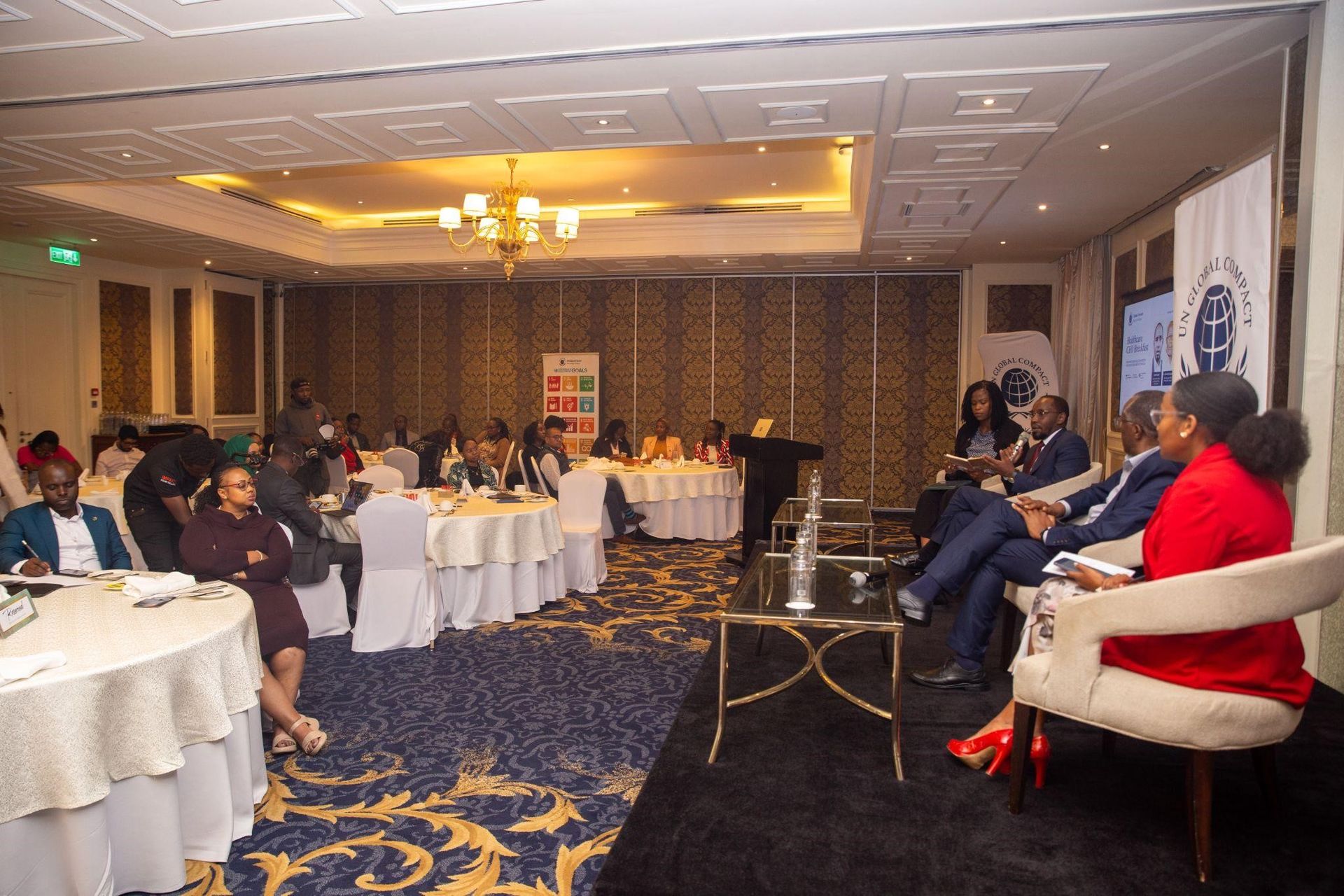
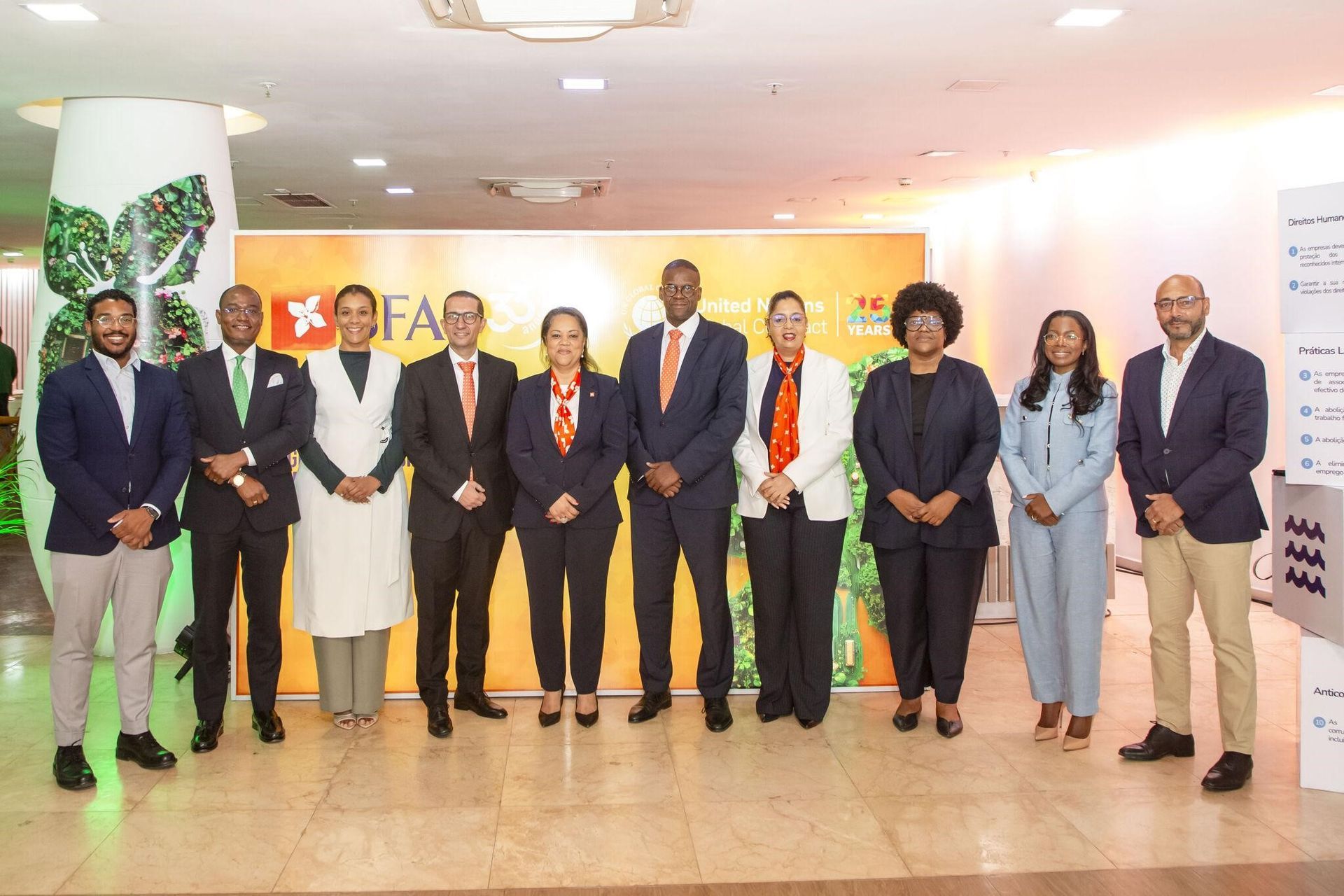
The African continent stands at a pivotal moment in its development journey, with immense opportunities to harness its blue economy for sustainable growth, job creation, and improved livelihoods. Against this backdrop, the Global Compact Network Kenya, in partnership with The Blue Company, recently convened a high-level CEO forum titled “Leadership in Action: Future-Proofing Governance.” This event, which was held on 27 February in Nairobi, brought together top CEOs and senior executives to champion responsible governance as a cornerstone of sustainable business growth and to address the pressing challenges of corruption and unethical practices in Kenya’s private sector.
The forum, part of the United Nations Global Compact CEO Agenda, served as a platform for bold leadership discussions, emphasizing the critical role of business leaders in driving governance transformation. As Africa’s blue economy continues to gain momentum—contributing an estimated $300 billion annually and supporting nearly 50 million jobs—the need for ethical leadership and transparent governance has never been more urgent.
Africa’s blue economy holds significant potential to drive economic growth, food security, and job creation. According to the African Union (2022), the sector is projected to grow to $405 billion by 2030, with coastal tourism alone contributing $100 billion and creating 57 million jobs. Additionally, over 200 million Africans rely on the blue economy for food security and nutrition, underscoring the importance of sustainable management of marine resources to preserve biodiversity and support livelihoods.
Globally, the OECD (2022) estimates that oceans contribute $1.5 trillion annually to the global economy, with an asset value of $24 trillion. Africa’s share of this potential can be significantly amplified through strategic investments, policy reforms, and ethical governance practices. However, realizing this potential requires a concerted effort from all stakeholders, particularly the private sector, to address systemic challenges such as corruption and weak governance frameworks.
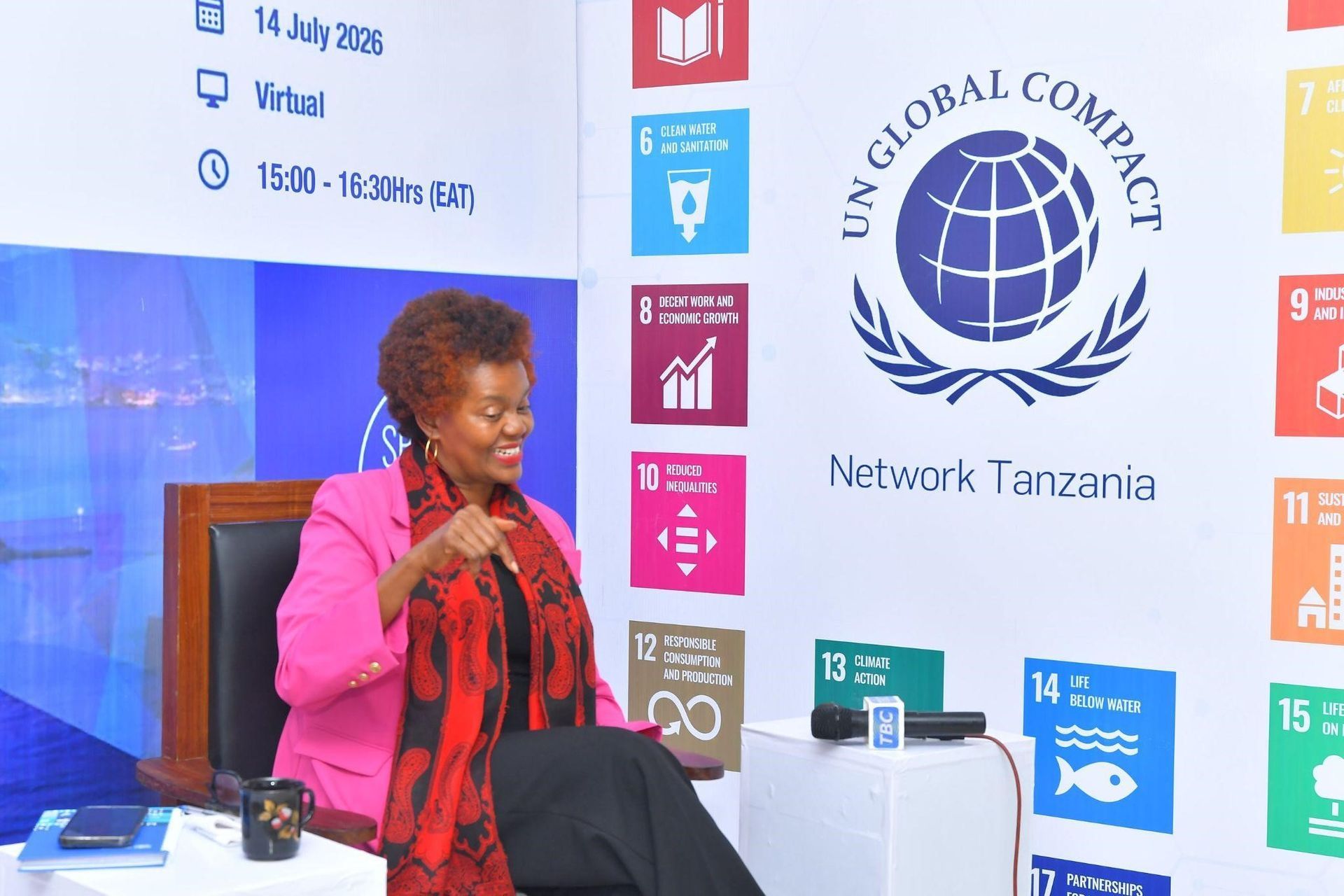
The Leadership in Action forum highlighted the critical role of the private sector in combating corruption, which remains a significant barrier to competitiveness, growth, and development in Kenya and across Africa. Judy Njino, Executive Director of the Global Compact Network Kenya, highlighted that the private sector business leaders wield significant influence in shaping the country's governance landscape and should shift from passive observers to active advocates for good governance, transparency and ethical practices.
The forum featured a high-level panel of industry leaders who explored actionable strategies for future-proofing governance, with key recommendations including collective action against corruption, where businesses must take a stand against corrupt practices and work together to create a culture of accountability; celebrating integrity, ensuring ethical leadership is recognized and celebrated while corruption is not normalized; and forging strategic partnerships, where the private sector collaborates with the Executive, Parliament, the Judiciary, and civil society to drive policy reforms and ensure accountability in governance.
As part of the broader United Nations Global Compact is committed to advancing the Ten Principles of the UN Global Compact in the areas of human rights, labour, environment, and anti-corruption in the Africa Region. The Leadership in Action forum aligns with this mission by empowering business leaders to embrace bold leadership and integrate sustainability into their governance frameworks.
The forum also underscored the importance of multi-stakeholder collaboration in achieving the Sustainable Development Goals (SDGs), particularly Goal 14: Life Below Water and Goal 16: Peace, Justice, and Strong Institutions. By fostering partnerships between the private sector, Governments, and civil society, the UN Global Compact aims to create an enabling environment for sustainable development across Africa.
The Leadership in Action forum served as a powerful reminder that the private sector has a critical role to play in shaping Africa’s future. As the continent continues to unlock the potential of its blue economy, business leaders must lead by example, championing ethical governance and transparency to ensure sustainable growth and development.