Global Compact Network Nigeria Sparks Crucial Conversation on Living Wage
Multistakeholder Dialogue Aims to Address Poverty and Promote Sustainable Business Practices in Nigeria
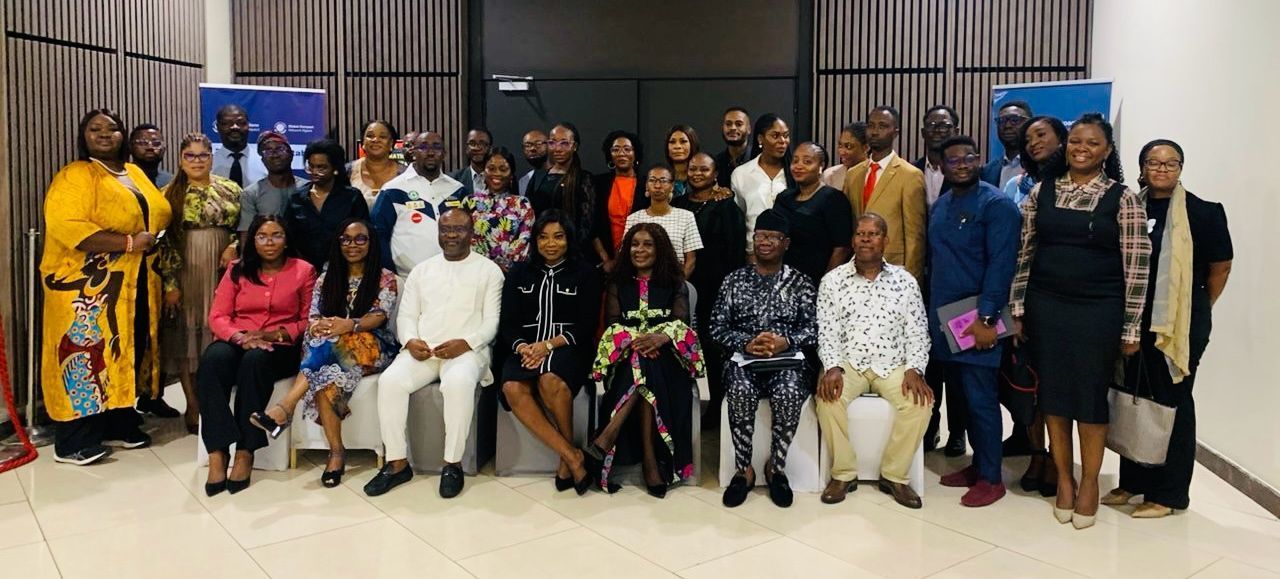
Lagos, Nigeria - The Global Compact Network Nigeria recently convened a groundbreaking multistakeholder dialogue on the concept of Living Wage, bringing together businesses, government representatives, and UN agencies, including the International Labour Organization (ILO) and the UN Global Compact.
The event aimed to address the pressing issue of poverty among workers, with 1 in 3 workers worldwide living in poverty. In Nigeria, this issue is particularly pertinent, given the current economic challenges faced by both businesses and workers.
The conversation was marked by candid and thought-provoking quotes from participants, including:
- "In my business, I've already raised salaries three times this year because of inflation."
- "A happy worker is a productive worker."
- "Let's acknowledge that poverty is also a political tool."
- "We need to go beyond declarations and books, and check actuals, especially with vendors and contractors."
While there was consensus that raising wages to a living level is beneficial for businesses, as it increases workers' purchasing power and creates new sales opportunities, participants acknowledged that this requires a stable and supportive economic environment.
In Nigeria, this means addressing pressing issues such as inflation, foreign exchange, energy, and infrastructure, to sustain the value of wages and reduce operating costs for businesses.
The recently established minimum wage of NGN 70,000 was also discussed, with participants emphasizing the need to strike a balance between this new minimum wage and the ability of businesses to pay a living wage, to avoid creating conditions of systematic non-compliance.
The Global Compact Network Nigeria's initiative on Living Wage is a crucial step towards promoting decent work and reducing poverty in Nigeria. The Network's efforts, supported by partners and stakeholders, will continue to drive progress towards a more equitable and sustainable future for all.
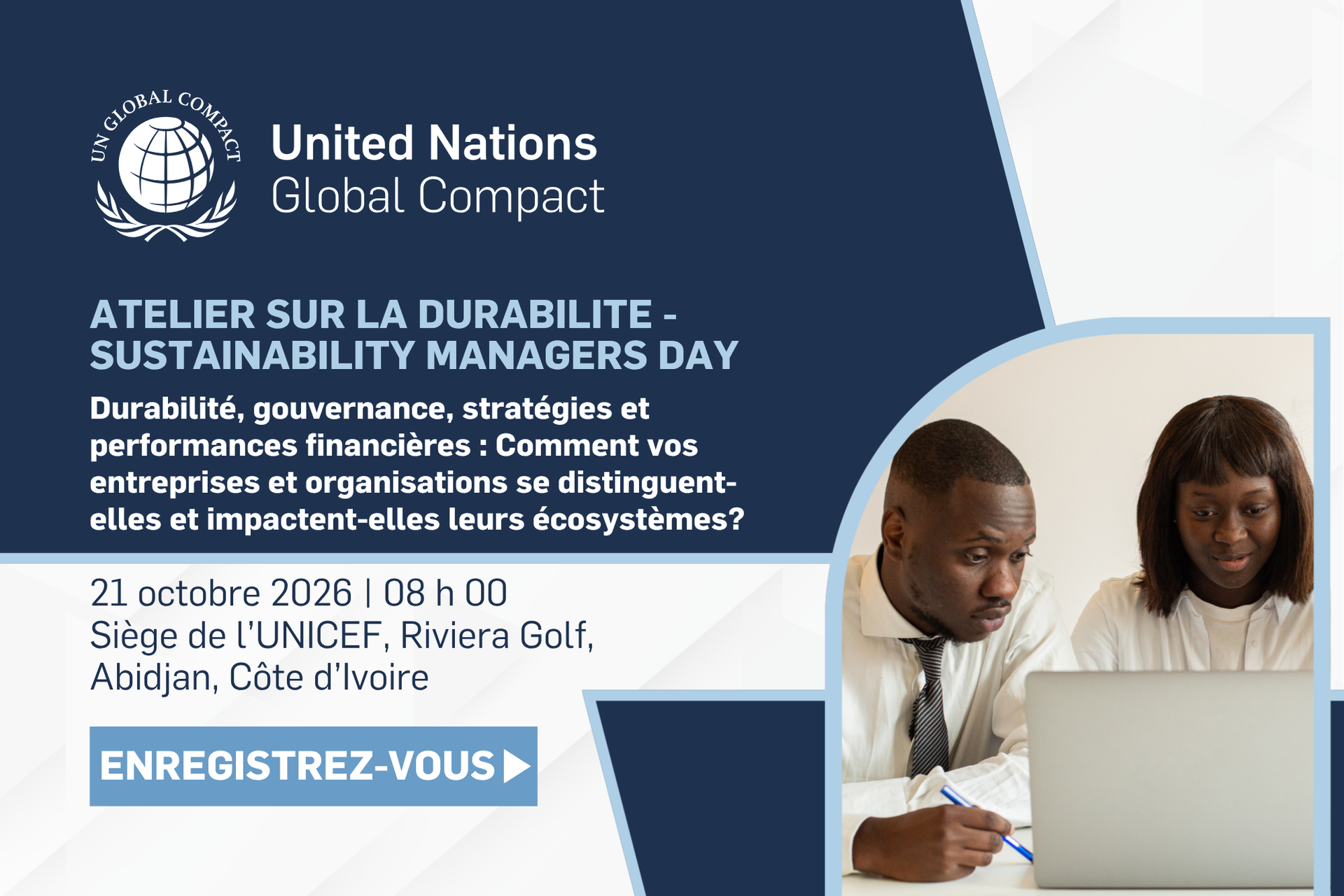
Atelier sur la Durabilité - Sustainability Managers Day
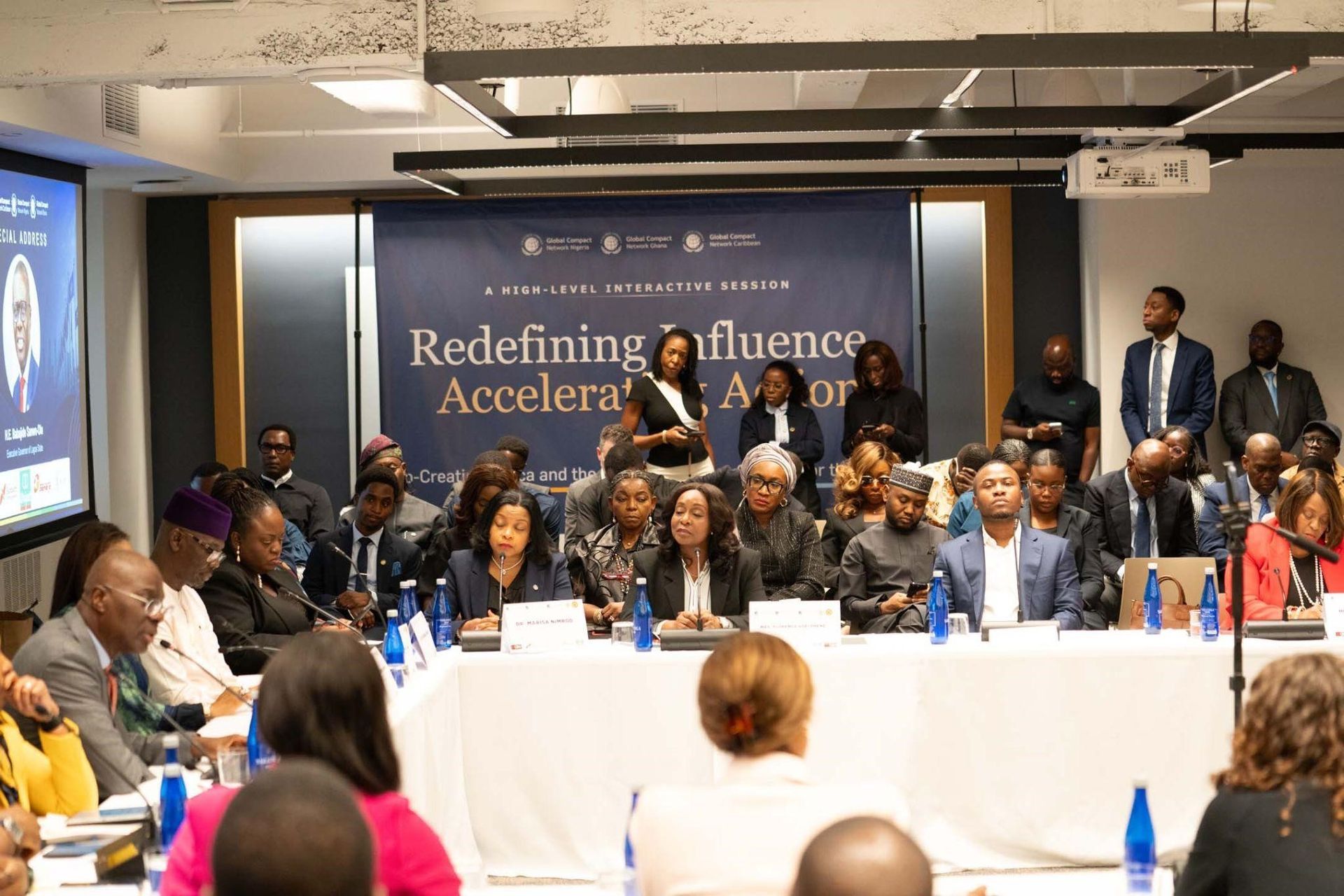
Climate Finance, Trade and Capital: Africa-Caribbean Leaders Set a New Course on the Sidelines of the UN General Assembly
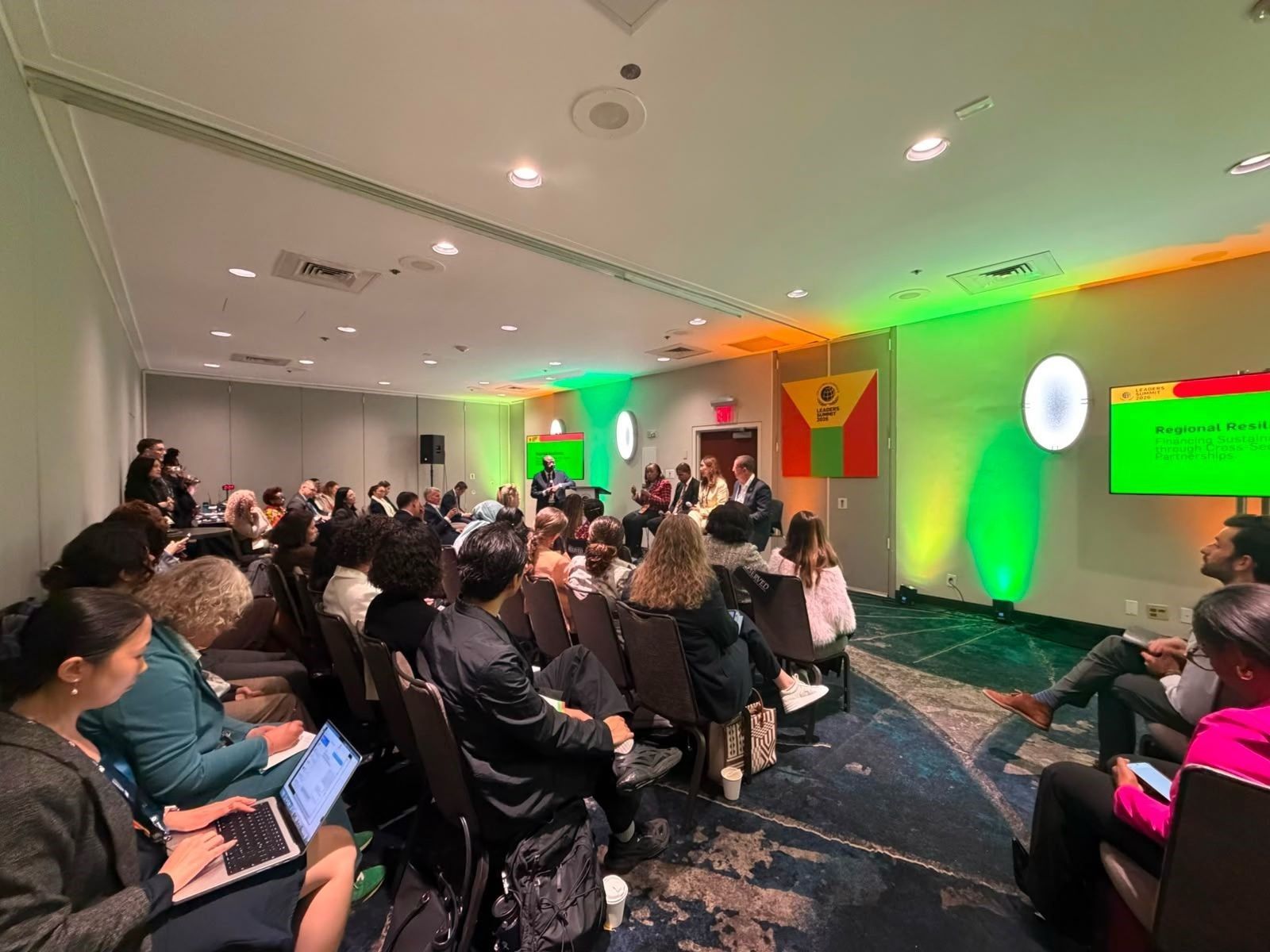
UN Global Compact Calls for Cross-Sector Partnerships to Strengthen Regional Resilience at 2026 Leaders’ Summit
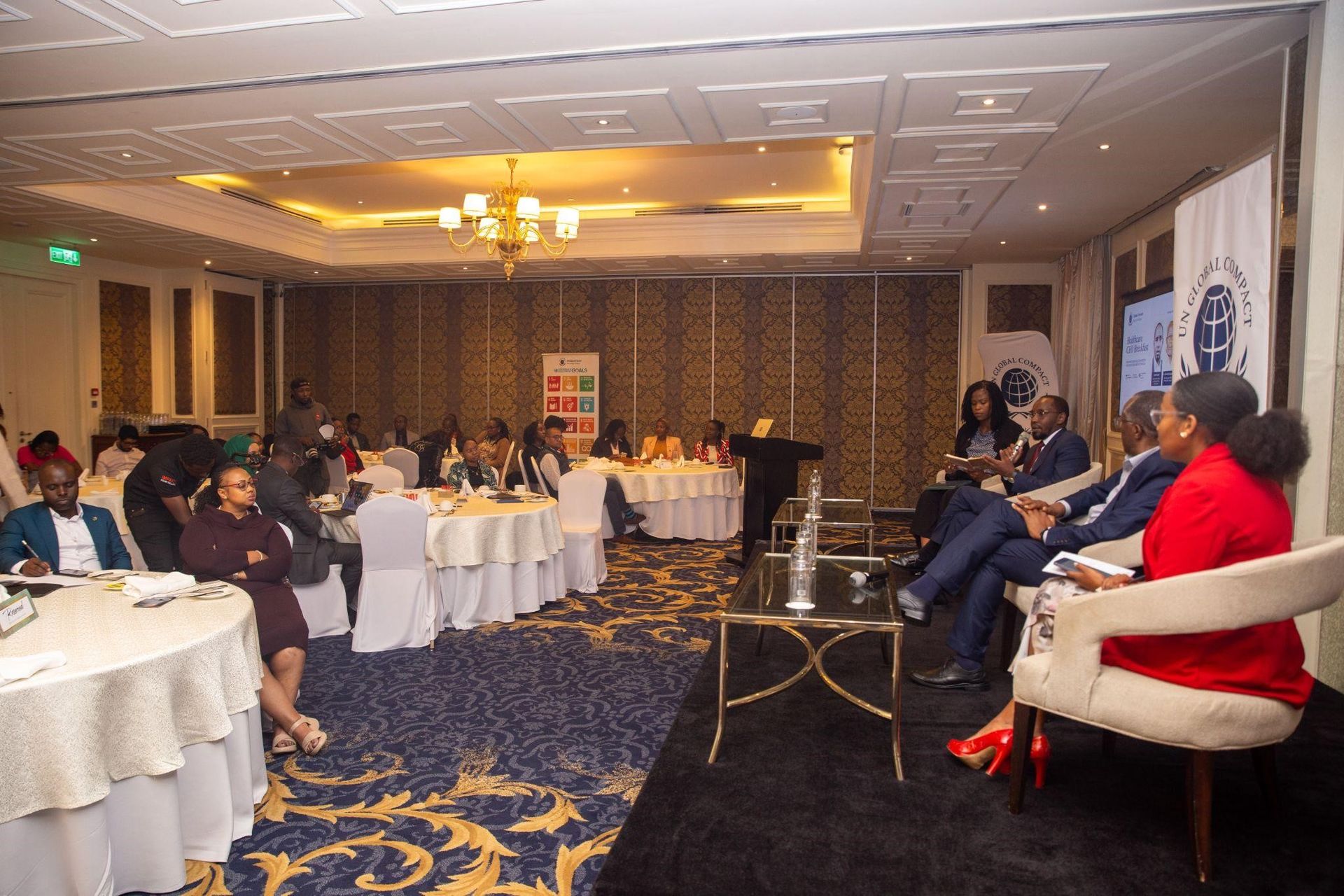
Responsible Leadership and Sustainability in Kenya’s Healthcare Sector
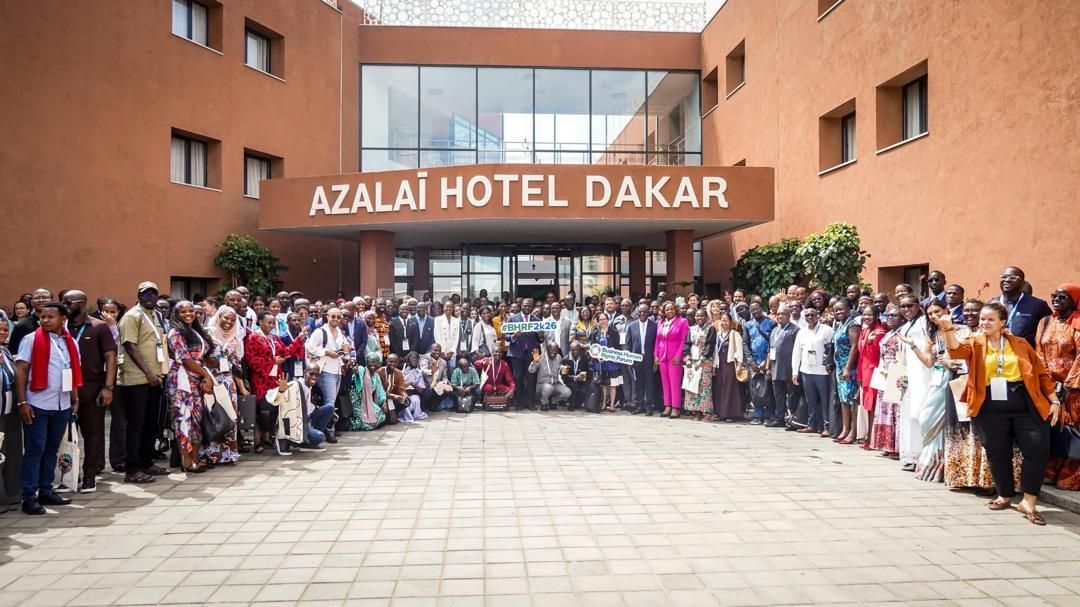
Africa Business and Human Rights Forum Concludes in Dakar with Call for Stronger Action on Human Rights and the Environment
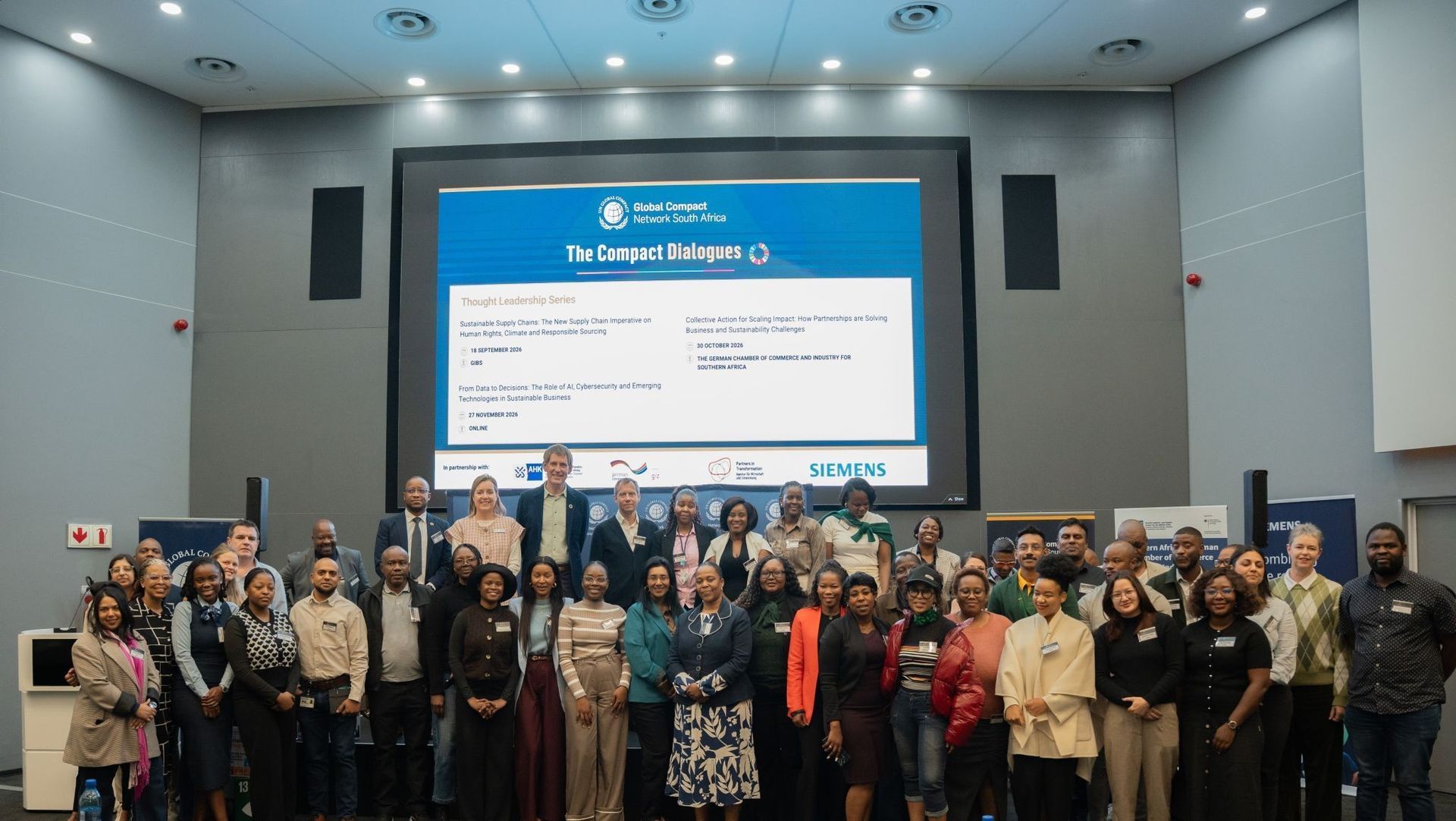
UN Global Compact Network South Africa Concludes 3rd Dialogue at 2026 Thought Leadership Series
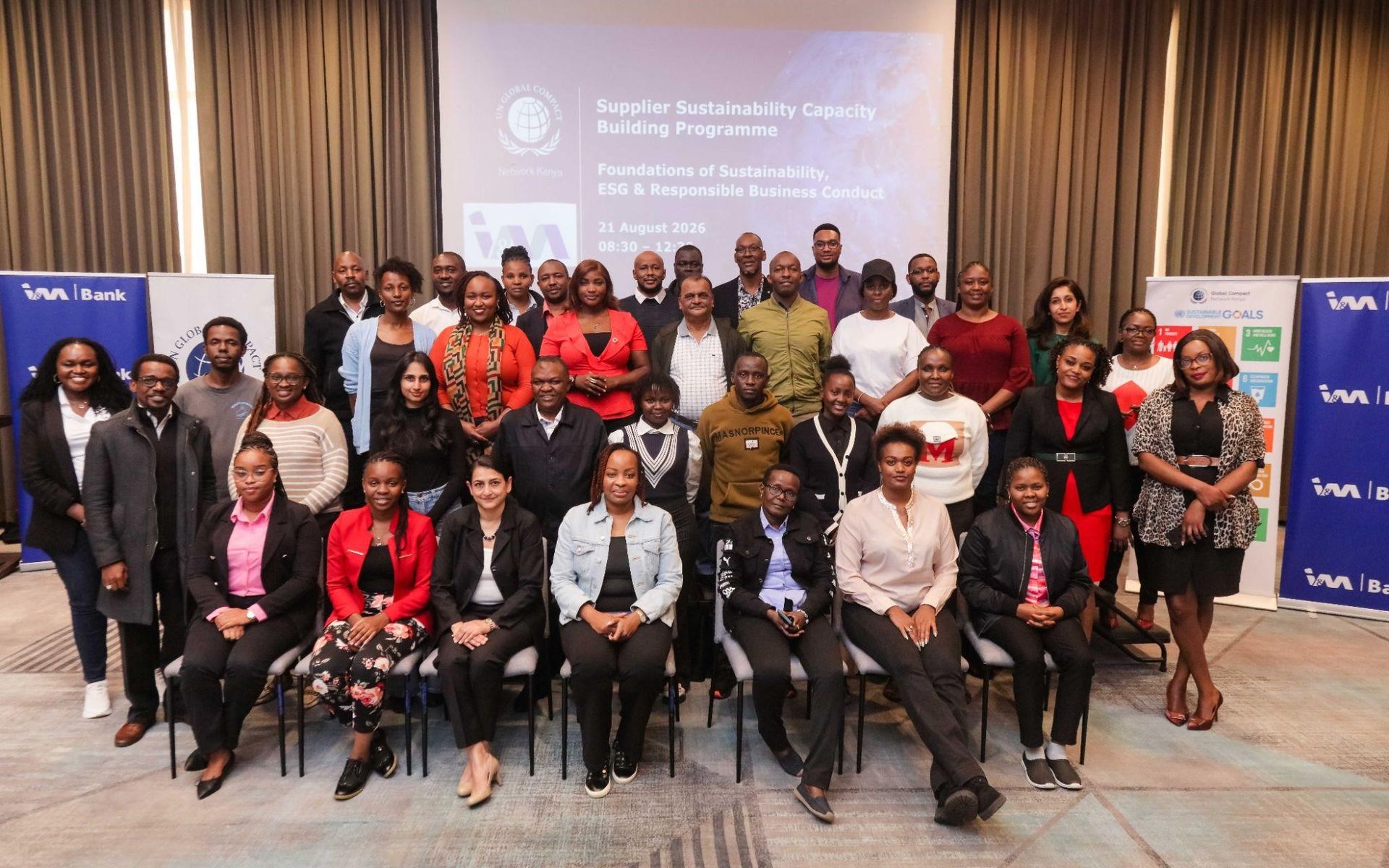
Global Compact Network Kenya and I&M Bank Launch Supplier Sustainability Building Programme
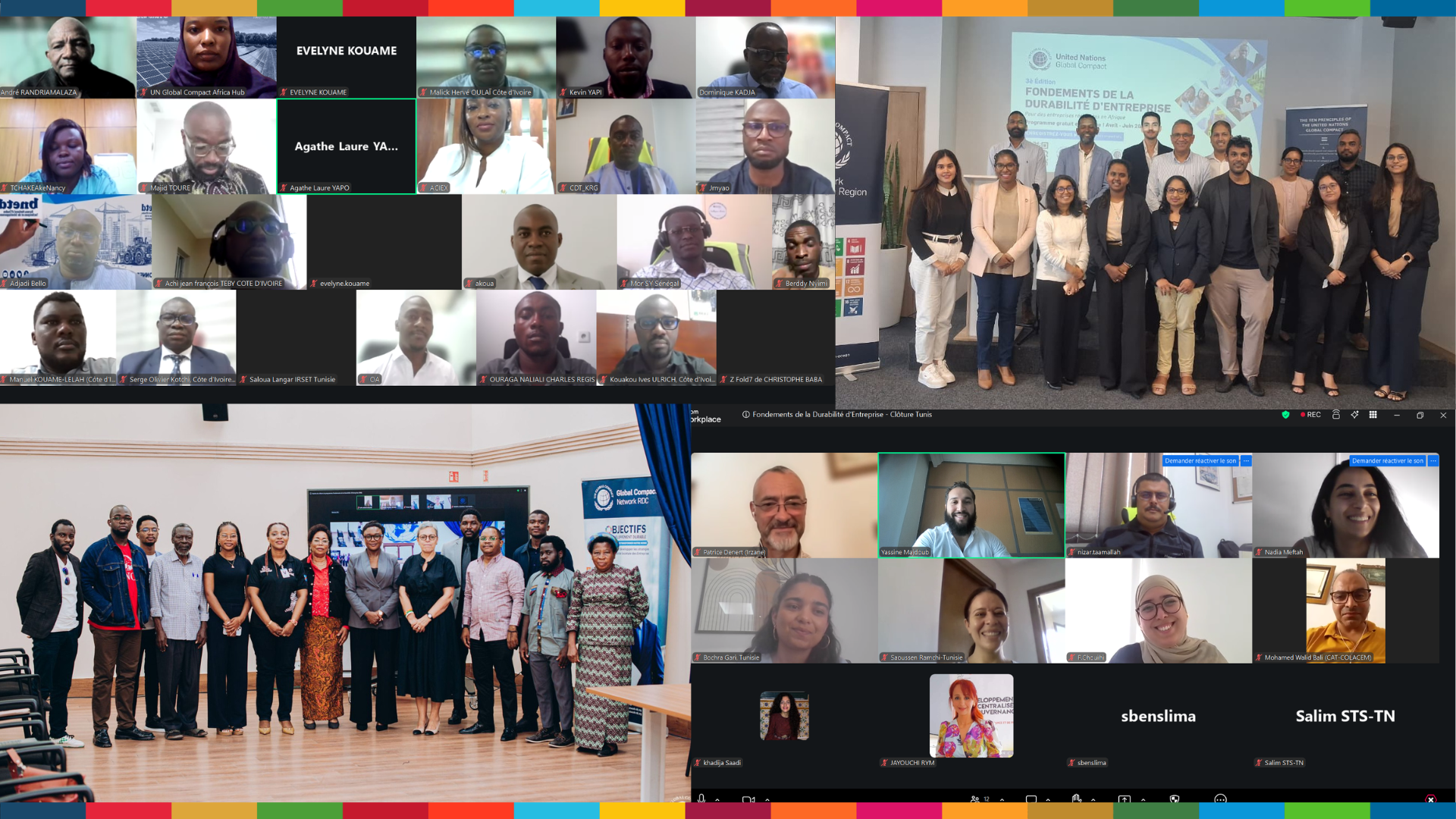
Le Pacte mondial des Nations Unies clôture la troisième édition du programme « Fondements de la Durabilité d'Entreprise »
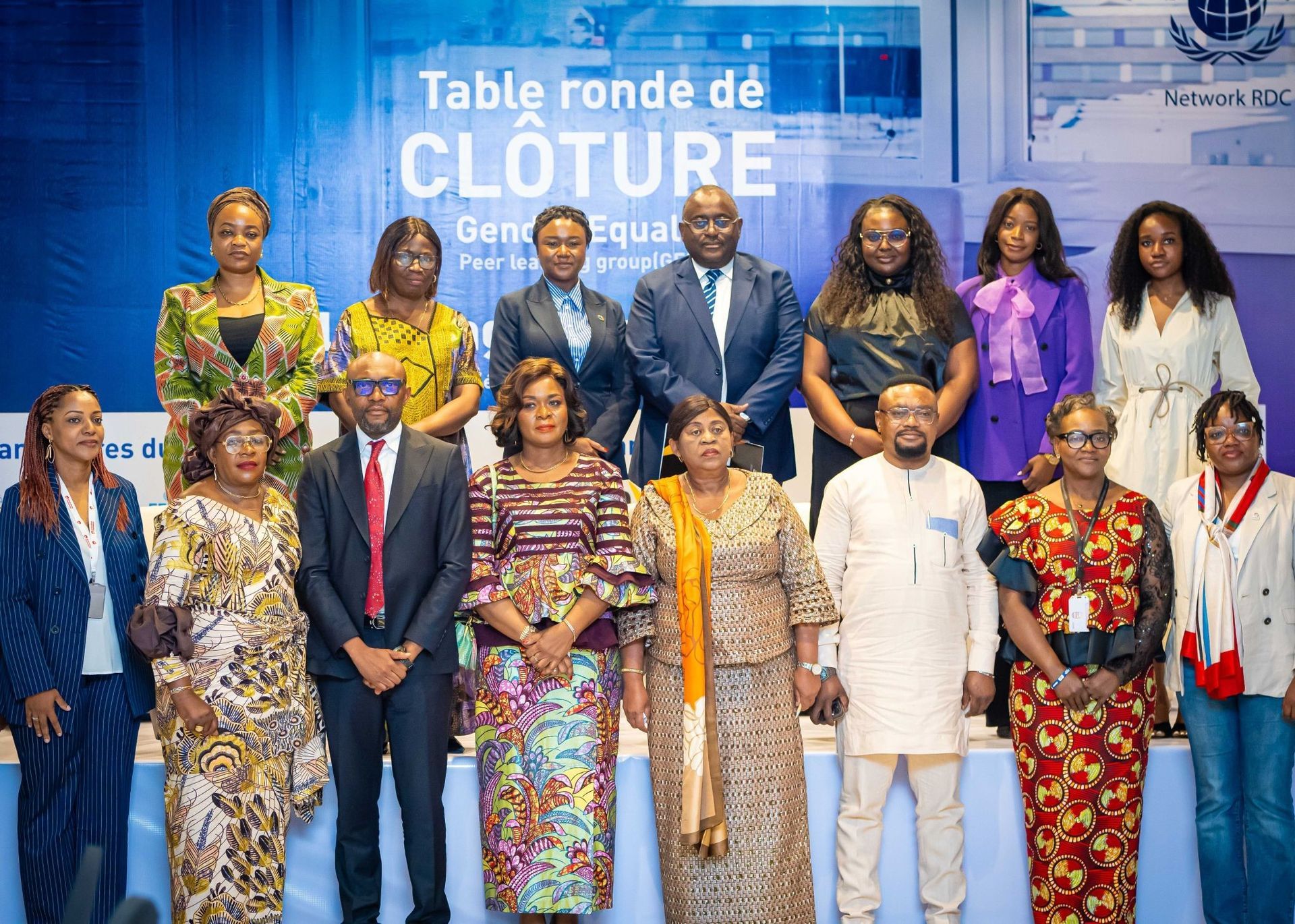
UN Global Compact Network DRC Encourages Business Executives to Promote Women's Leadership
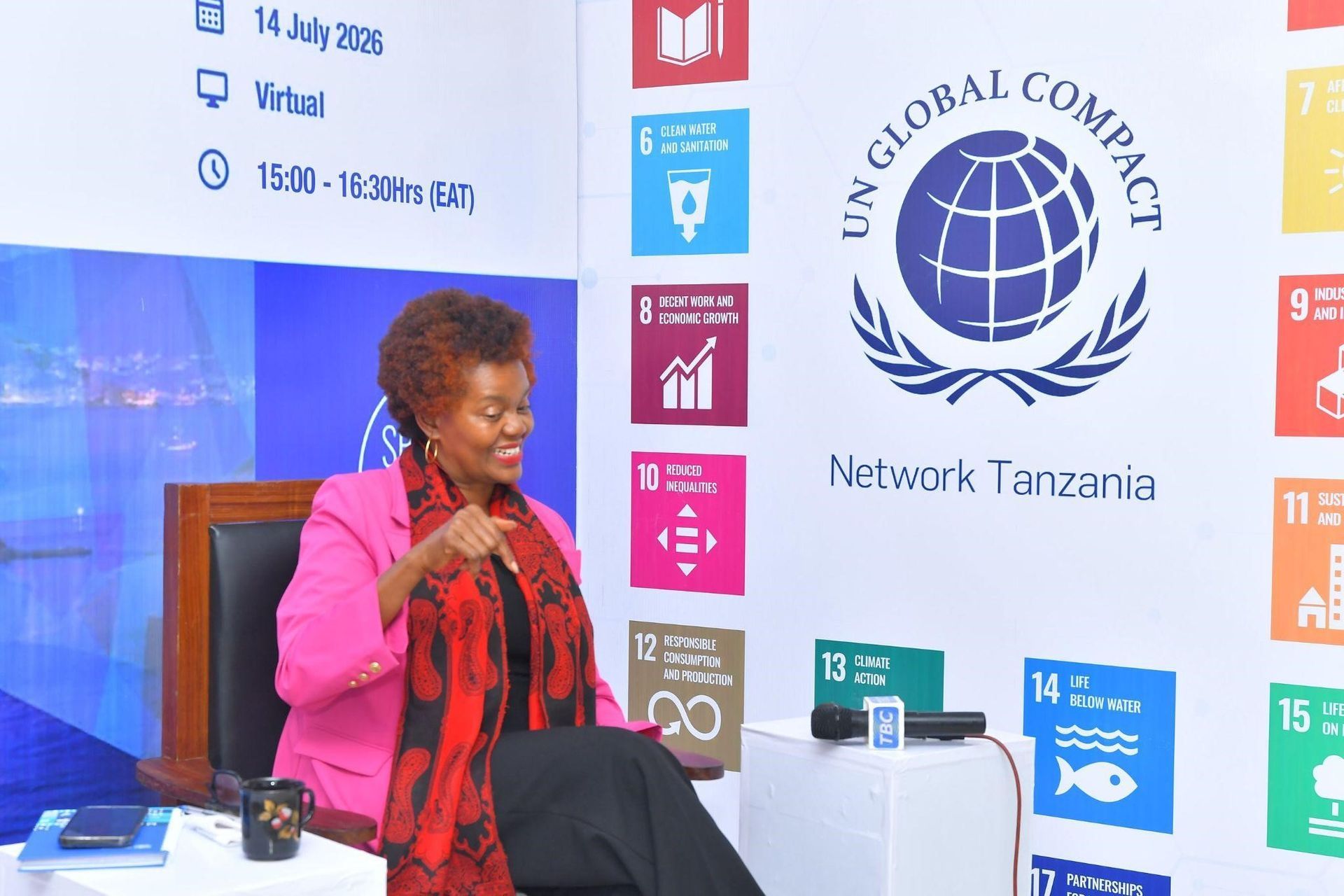
Tanzania Anchors Corporate SDG Impact Through The Voluntary National Review